
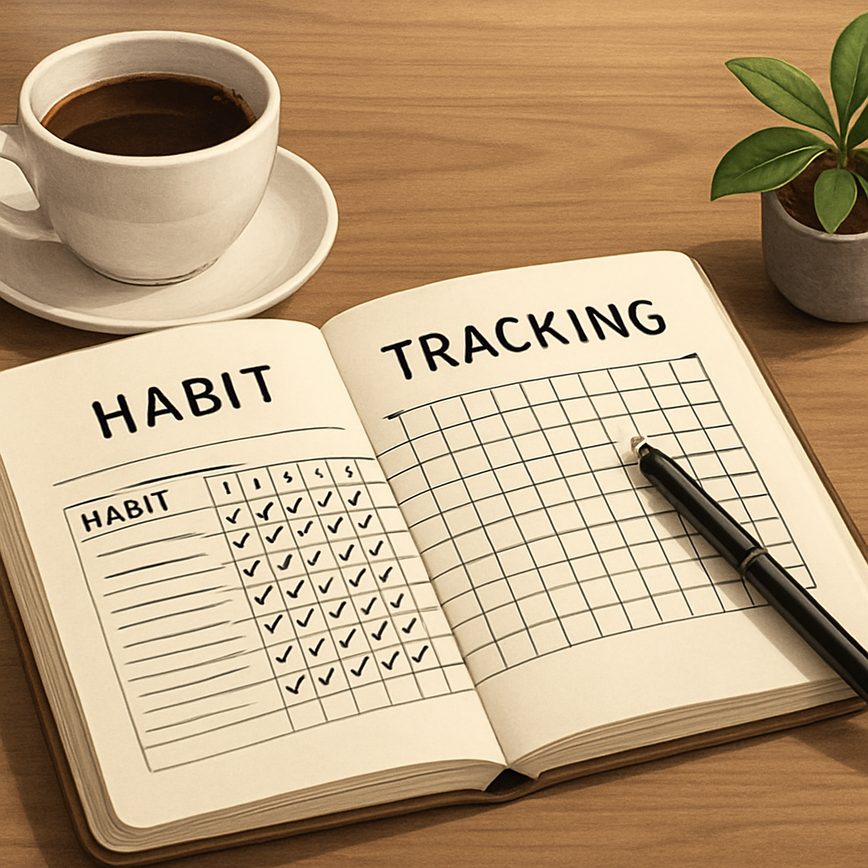
Tracking habits for self-improvement
07/04/2026
Understanding Habit Tracking
Habit tracking is the deliberate practice of monitoring and recording your daily behaviors to foster self-improvement. By consistently observing habits, individuals develop a heightened level of habit awareness, which is essential for recognizing patterns that either aid or hinder progress. This behavior monitoring allows you to objectively assess your routines, identify triggers, and make conscious decisions towards positive change.
One of the key benefits of habit tracking is the psychological boost it provides. When you see progress reflected in the tangible data of your tracked habits, it activates the brain’s reward system, encouraging continued effort and motivation. This positive reinforcement cultivates a sense of accomplishment, making the pursuit of self-improvement both satisfying and sustainable.
Moreover, habit tracking helps to break down overwhelming goals into manageable, bite-sized tasks. This granular level of behavior monitoring reduces procrastination and increases accountability, as you become more conscious of slipping into old patterns. The simple act of checking off a habit each day strengthens your commitment and builds momentum over time.
From a motivational standpoint, habit tracking serves as a constant reminder of your intentions and progress. It acts as an external cue that keeps your goals top of mind, preventing distractions and complacency. Additionally, reviewing tracked habits helps to identify roadblocks or setbacks early, enabling strategic adjustments and sustained growth.
In essence, habit tracking is a powerful tool for self-improvement, blending behavior monitoring with psychological motivation to create awareness, accountability, and progress. Embracing this practice can transform your daily actions into meaningful habits that propel you towards your personal development goals.
Benefits of Tracking Habits
Tracking habits offers numerous habit benefits that significantly contribute to personal growth and self-discipline. One of the primary advantages is increased motivation. When you regularly monitor your habits, you create a visible record of your efforts, which can inspire you to maintain consistency and push forward even on challenging days. This consistent tracking serves as a reminder of your commitment to self-improvement.
Another key benefit of habit tracking is enhanced accountability. By keeping a daily log of your behaviors, you are more likely to stay responsible for your actions. This accountability helps reduce procrastination and fosters a stronger sense of dedication to your goals.
Additionally, habit formation becomes easier and more effective with regular tracking. As you see patterns emerge, you can identify what triggers positive habits and what obstacles may be hindering your progress. This insight allows you to fine-tune your strategies for better results.
Finally, one of the most powerful benefits of tracking habits is progress measurement. Visualizing your journey through charts, checklists, or journals provides clear evidence of how far you’ve come. This clearer progress visualization reinforces your efforts and encourages continued growth by making success tangible and measurable.
Common Habit Tracking Methods
Tracking methods for self-improvement have evolved significantly, offering various tools and techniques to suit different preferences and lifestyles. One popular approach is journaling, particularly using bullet journals. Bullet journals combine creativity with organization, allowing individuals to customize their habit tracker tools with symbols, colors, and layouts that make tracking engaging and visually motivating. This manual method helps foster mindfulness and reflection while keeping habit progress clear and accessible.
In addition to traditional journaling, digital apps have become a widely embraced solution for tracking habits. These apps provide convenience and automation, with features like reminders, progress charts, and community support to keep users motivated. Many habit tracking apps offer customizable options to tailor tracking methods to specific goals, making them versatile and effective for users seeking simplicity or detailed analytics.
For those who prefer a more structured and data-focused approach, spreadsheets serve as an excellent habit tracker tool. Spreadsheets enable users to create detailed logs, set formulas to calculate streaks or percentages, and visualize trends through charts. This method is highly flexible and offers dynamic tracking capacity, especially for users who enjoy working within spreadsheet software like Excel or Google Sheets.
Overall, whether through bullet journals, apps, or spreadsheets, choosing the right tracking methods depends on an individual’s style and objectives. Each tool offers unique benefits, helping people maintain consistency and achieve long-term self-improvement goals.
How to Effectively Track Habits
Effective habit tracking is a powerful tool for achieving self-improvement through goal setting and maintaining habit consistency. To create a habit tracking system that maximizes accountability and results, start by clearly defining your goals. Each habit should directly support a specific objective, making it easier to stay focused and motivated.
Choose a tracking method that suits your lifestyle and preferences. This could be a physical journal, a digital app, or a simple spreadsheet. The key is to make it accessible and easy to update daily, ensuring you don’t miss entries and thereby weaken your habit consistency. Some popular apps also offer reminders and visual progress charts, which can enhance motivation and adherence.
Set a realistic schedule for your habits and track them consistently. Avoid trying to change too many habits at once. Instead, focus on a few key behaviors and make sure you mark them each day, whether you successfully completed them or not. This honest tracking builds accountability and helps you identify patterns or obstacles that need adjustment.
Use tracking tips like setting specific time frames (morning, afternoon, evening) and pairing new habits with existing routines, also known as habit stacking. Record not only successes but also missed days and any factors influencing those misses. This comprehensive approach helps you fine-tune your behavior and find sustainable ways to integrate habits into your daily life.
Finally, review your habit tracker regularly—weekly or monthly—and celebrate small victories. Adjust your goals as needed to keep them challenging yet attainable. By making habit tracking a consistent part of your self-improvement journey, you’ll create a solid foundation for lasting change.
Setting Realistic and Measurable Goals
Effective goal setting is essential for tracking habits and achieving self-improvement. To ensure progress, it’s important to set goals that are not only clear but also realistic and measurable. This means defining what success looks like in a way that you can consistently evaluate your habits over time. One of the best methods for crafting such goals is by using the SMART criteria.
SMART goals are Specific, Measurable, Achievable, Relevant, and Time-bound. By making your goals specific, you clarify exactly what habit you want to develop or change. Measurable habits are those that you can track and quantify, such as “drink 8 glasses of water daily” or “exercise for 30 minutes every morning.” This measurability allows for concrete progress tracking and motivation.
Setting realistic habits ensures that your goals are achievable with your current resources and lifestyle. Overly ambitious goals can lead to frustration and abandonement, while realistic habits foster consistency and long-term success. For example, rather than aiming to read a book a week, start with reading 10 pages daily if that better fits your schedule.
Additionally, making goals relevant aligns them with your broader personal development plans, increasing your commitment. Finally, incorporating a time-bound element, like setting a habit-building target over 30 days, creates urgency and structure.
By combining these principles, goal setting becomes a powerful tool for tracking habits effectively and driving meaningful self-improvement. Focus on SMART goals to define measurable and realistic habits that keep you on track and motivated for lasting growth.
Maintaining Consistency and Motivation
Maintaining consistency and motivation is essential for successful habit tracking, especially when focusing on daily or weekly routines. One effective technique is to create habit streaks, which visually represent the consecutive days you’ve successfully completed a habit. This visual cue can be incredibly motivating, encouraging you to keep going to avoid breaking the streak. Additionally, setting clear and achievable goals helps sustain consistency; small, manageable steps lead to long-term success.
Daily tracking also plays a critical role in keeping motivation high. Recording your progress each day reinforces your commitment and provides a sense of accomplishment. To further enhance motivation, consider rewarding yourself when you hit specific milestones. These rewards don’t have to be extravagant—they can simply be a moment of relaxation or a treat that makes you look forward to completing your habits.
Another useful tip is to identify and anticipate potential obstacles. Preparing strategies for dealing with distractions or setbacks prevents lapses in consistency. Additionally, sharing your goals with a friend or joining a community with similar objectives can create accountability, making it easier to stay motivated. Remember, consistency and motivation are intertwined; sustaining one will naturally support the other, paving the way for lasting, positive changes in your daily life.
Analyzing and Adjusting Habit Data
Regular habit analysis is crucial for effective habit formation and sustained self-improvement. Start by scheduling consistent data review sessions, whether daily, weekly, or monthly, depending on your goals. During these review periods, focus on interpreting the tracking insights you have gathered. Look for patterns, progress, or setbacks in your habit performance. Understand which habits are sticking and which ones need more attention or modification.
Use your habit data as a guide to make informed habit adjustments. If certain habits are consistently missed or show low engagement, consider why that might be. Are the goals realistic? Are there external factors interfering? Adjust your approach by tweaking the habit’s difficulty, timing, or triggers to better fit your lifestyle. On the other hand, celebrate and reinforce habits that you successfully maintain to build positive momentum.
Remember, habit analysis is not about perfection but progress. Regularly reviewing and adjusting based on your tracked data helps create a feedback loop where you learn from your own behavior. This continuous process allows you to refine your strategies, overcome obstacles, and optimize your habit formation journey for long-term success.
Tools and Resources for Habit Tracking
Tracking your habits consistently can be greatly enhanced with the right tools and resources. Whether you prefer digital habit tracking tools, printable templates, or traditional journals, there are many effective options designed to support your self-improvement journey. Here, we introduce some of the best apps, as well as alternatives like journals and digital trackers, to help you stay on top of your goals.
| Tool Type | Examples | Description | Features |
|---|---|---|---|
| Digital Apps | Habitica, Streaks, Loop Habit Tracker | Mobile and desktop apps designed to make habit tracking simple and engaging with reminders and progress analytics. | Custom habit lists, streak tracking, notifications, gamification elements |
| Printable Templates | Monthly habit trackers, weekly sheets, bullet journal pages | Printable PDFs or downloadable templates that can be filled out by hand, perfect for those who like visual tracking on paper. | Simple layouts, customizable designs, easy to print and reuse |
| Journals | Habit journals like “The Habit Journal,” bullet journals | Physical journals dedicated to habit tracking that often combine goal setting, reflection, and habit monitoring in one book. | Daily habit logs, motivational quotes, space for notes and reflections |
| Digital Trackers | Spreadsheet trackers, Google Sheets habit templates | Digital, customizable habit trackers using spreadsheet software, allowing for in-depth data analysis and personalized layouts. | Automatic progress charts, data filtering, adaptable to any habit |
Choosing the right habit tracking tools depends on your lifestyle and preferences. Apps offer convenience and automatic reminders; printable templates provide flexibility and tangibility, while journals encourage reflective practice. Digital trackers on spreadsheets allow a deeper dive into habit trends. By exploring these options, you can find the best apps, journals, and trackers that fit your approach to habit tracking and self-improvement.
Top Habit Tracking Apps
In the realm of self-improvement, habit apps have become indispensable tools for tracking progress and maintaining consistency. Popular mobile and desktop apps designed specifically for habit tracking offer a range of features tailored to boost productivity and encourage positive lifestyle changes.
One standout among productivity apps is Habitica, which uniquely combines habit tracking with role-playing game mechanics, making daily task completion engaging and fun. For straightforward mobile tracking, apps like Streaks and HabitBull excel at providing simple, intuitive interfaces where users can set goals, monitor streaks, and receive motivational reminders.
On the desktop front, Loop Habit Tracker offers a clean, open-source solution that emphasizes detailed habit analysis and long-term tracking without distractions. Meanwhile, self-improvement apps like Fabulous not only help users track their habits but also provide personalized coaching and science-based advice to foster lasting changes.
Across these apps, the core features include customizable reminders, visual progress charts, and integration with other productivity tools. This synergy between habit tracking and productivity apps empowers users to stay focused and motivated, ultimately driving forward their self-improvement journeys.
Using Journals and Printable Trackers
Using habit journals and printable habit trackers offers a tactile and engaging way to monitor your progress. Manual tracking through physical journals allows for a deeper connection with your goals, encouraging mindfulness and reflection. It can strengthen commitment as writing down achievements and challenges makes the progress tangible.
Printable habit trackers provide a flexible and accessible option for paper tracking. They are easily customizable to fit individual needs and can be reused or replaced as needed. These trackers often come with visually appealing designs that make habit tracking enjoyable and motivating.
Both methods support reduced reliance on digital devices, minimizing distractions and promoting consistent habit maintenance. With habit journals, you can incorporate notes and thoughts, creating a holistic view of your journey. Printable habit trackers, on the other hand, simplify the process by offering a clear, at-a-glance visual summary of your accomplishments.
Overall, using habit journals and printable habit trackers ensures a hands-on approach to habit tracking, blending creativity with organization. This physical engagement fosters accountability and helps build long-lasting positive routines.

I’m a longtime fitness enthusiast who loves exploring practical habits that boost daily energy and confidence. Sharing simple, science‑backed routines that help men feel their best is what keeps me motivated every day.