
How to track progress in fitness and lifestyle
21/04/2026
However, true progress goes beyond what is visible. Intangible improvements such as increased energy levels, enhanced mood, better sleep quality, and overall mental wellbeing are equally important indicators of success. Keeping a journal or using wellness apps to track daily energy, mental state, and motivation can offer valuable insights into these less obvious benefits. Reflecting on how your body and mind feel throughout the day helps capture the holistic impact of your lifestyle changes.
Combining both tangible and intangible methods of progress measurement creates a comprehensive view of how fitness and lifestyle changes affect you. Whether it’s the visible results in your physique or the invisible boost in your daily vitality, acknowledging all aspects of progress ensures a balanced and sustainable approach to wellbeing.
Effective Methods to Track Fitness Progress
Tracking your fitness progress is a crucial part of staying motivated and achieving your health goals. There are several fitness tracking methods available, ranging from traditional manual logs to advanced technology tools. Each method has its advantages, and choosing the right one depends on your preferences, goals, and lifestyle.
One of the most popular and straightforward ways to track fitness progress is by keeping workout logs. This manual method involves recording details about your exercises, such as sets, repetitions, weights, distances, and times. You can use a simple notebook, a printed template, or even a spreadsheet on your computer. Workout logs help in monitoring improvements over time and identifying patterns or plateaus in your training routine.
In addition to workout logs, many prefer to keep track of lifestyle factors such as nutrition, sleep, and mood in a fitness journal. This holistic approach can reveal how different elements of your life impact performance and well-being, giving you a comprehensive view of your progress beyond just exercise metrics.
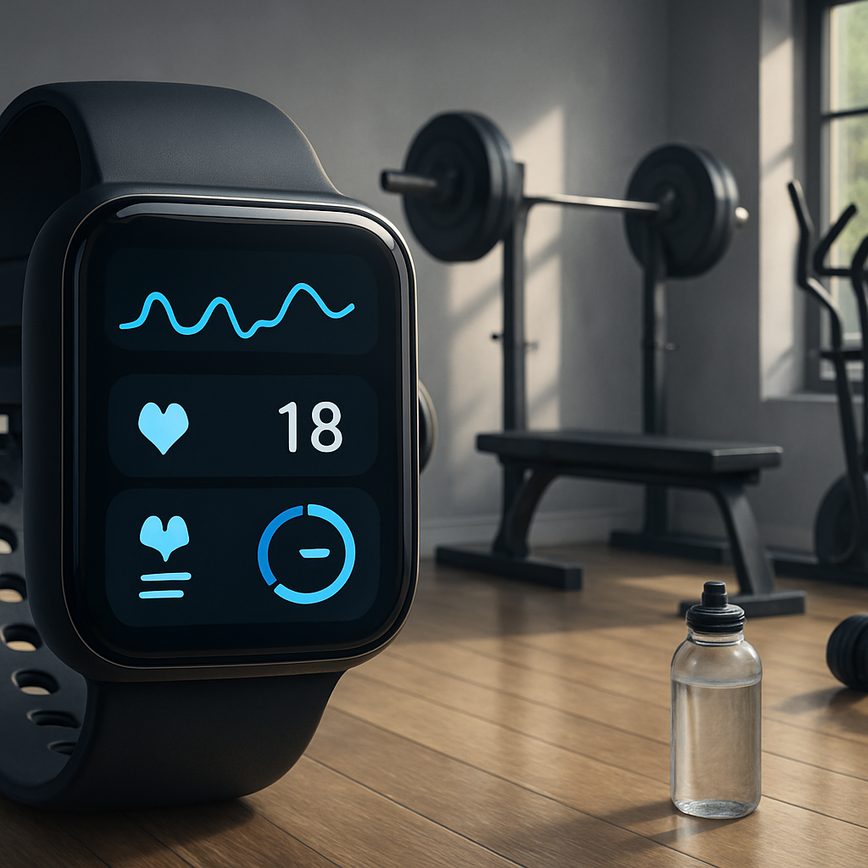
With advances in technology, digital fitness tracking methods have become increasingly popular and accessible. Smartphone apps and wearable devices, such as fitness trackers and smartwatches, offer a convenient way to monitor a wide range of data including heart rate, calories burned, steps taken, and sleep quality. These technology tools often sync with other apps or platforms, allowing you to analyze trends and set personalized goals effectively.
Many technology tools also provide features like workout planning, reminders, and social sharing, which can enhance motivation and accountability. Popular fitness apps often include community support and coaching options, helping users stay engaged with their routines. Integration with nutrition tracking apps further enhances the ability to maintain a balanced lifestyle.
Ultimately, combining manual workout logs with technology tools can offer the best of both worlds. Manual logging promotes mindfulness and personal reflection, while digital tools provide detailed data and convenience. Whatever method you choose, consistency is key to effectively tracking your progress and making informed adjustments to your fitness and lifestyle plans.
Using Workout and Nutrition Journals
Maintaining a workout journal and nutrition tracking log is a highly effective way to monitor your physical activities and eating habits. A workout journal allows you to record details such as the type of exercise, duration, intensity, sets, and repetitions. This manual log helps you identify trends in your performance, track improvements over time, and adjust your routine to meet your fitness goals.
Similarly, nutrition tracking plays a crucial role in understanding your dietary intake and how it impacts your overall health and workout outcomes. By keeping a detailed nutrition journal, you can log meals, portion sizes, macronutrients, and hydration levels. This form of manual logs enables you to pinpoint nutritional deficiencies or excesses and make informed adjustments to your diet.
To effectively maintain these journals, consistency is key. Set aside a few minutes each day to update your workout journal and nutrition tracking log. Use either a physical notebook or digital apps designed for these purposes. Be honest and detailed with your entries to gain the most accurate insights. Over time, you’ll develop a comprehensive record that guides your progress and supports long-term fitness and lifestyle improvements.
Leveraging Fitness Tracking Apps and Devices
Fitness apps and wearable tech have revolutionized the way individuals monitor their health and fitness journeys. These tools offer automated progress tracking, eliminating the need for manual logging and allowing users to focus more on their goals. Popular fitness apps integrate seamlessly with wearable devices, providing real-time data on various metrics such as steps taken, heart rate, calories burned, and sleep quality.
Wearable activity trackers, often worn as smartwatches or fitness bands, continuously collect health data throughout the day. This constant tracking helps users understand their activity patterns and adjust their routines accordingly. Many fitness apps include features like goal setting, customizable workout plans, and social sharing, enhancing motivation and engagement.
One significant benefit of these technologies is the ability to visualize progress through detailed charts and summary reports. Users can track trends over days, weeks, or months, which provides insight into overall health improvements or areas needing more attention. Additionally, some fitness apps offer personalized feedback and coaching, making fitness tracking a more interactive and supportive experience.
Ultimately, leveraging fitness apps and wearable tech empowers users to stay consistent and informed on their wellness journeys by combining convenience, accuracy, and motivation in one accessible platform.
Setting Realistic Goals and Analyzing Progress
Setting realistic goals is a fundamental aspect of any successful fitness and lifestyle journey. When goals are attainable and clear, they serve as powerful motivators that keep you focused and committed. Incorporating goal setting techniques such as SMART goals—Specific, Measurable, Achievable, Relevant, and Time-bound—can dramatically improve your chances of success by providing a clear roadmap for what you want to achieve and how to get there.
Equally important is the process of progress analysis. Regularly analyzing your progress ensures that you remain on track and allows you to make informed adjustments to your plans. Without this step, you risk continuing with ineffective strategies or losing motivation because you cannot see tangible improvements.
- Define SMART Goals: Begin by setting goals that are specific and clearly define what success looks like. These goals should be measurable to track your improvements effectively.
- Track Your Metrics: Use tools like fitness trackers, journals, or apps to record key progress indicators such as workout frequency, intensity, and outcomes. This data helps you see tangible results over time.
- Schedule Regular Reviews: Set a consistent timeline, such as weekly or monthly, to review your progress. Reflect on what’s working and identify areas needing improvement.
- Adjust and Adapt: Based on your progress analysis, modify your goals or fitness plans to better align with your current capabilities and changing circumstances. Flexibility in your approach accelerates progress.
- Celebrate Milestones: Recognize and reward yourself for achieving benchmarks to maintain motivation and reinforce positive behaviors.
- Seek Feedback: Consult with fitness professionals or peer groups to gain insights and advice that can enhance your goal setting and progress analysis strategies.
By combining realistic goal setting with thorough progress analysis, you empower yourself to take control of your fitness and lifestyle journey. This methodical approach not only clarifies your path forward but also ensures continuous growth and sustained motivation.
Creating SMART Fitness and Lifestyle Goals
Setting effective fitness and lifestyle objectives is crucial for successful goal planning. One of the best methods to ensure your goals are practical and motivating is to use the SMART criteria. SMART stands for Specific, Measurable, Achievable, Relevant, and Time-bound, each element guiding you to craft clear and actionable goals.
First, goals should be Specific—define precisely what you want to achieve. For instance, instead of saying “get fit,” specify “run 3 miles without stopping.” Specificity gives direction and focus to your efforts.
Second, make your goals Measurable so you can track progress objectively. Use metrics like distance, weight, or workout frequency to evaluate your advancement and stay motivated.
Next, the goal must be Achievable. Consider your current fitness level and resources. Setting realistic and attainable goals ensures you stay encouraged and avoid frustration.
Additionally, goals should be Relevant to your lifestyle and long-term vision. Aligning fitness objectives with personal values and interests increases commitment and enjoyment.
Finally, every goal needs to be Time-bound. Establish deadlines or checkpoints to create a sense of urgency and motivate consistent progress.
By applying the SMART framework in your goal planning, you transform vague aspirations into concrete, practical fitness objectives. This clarity enhances focus, boosts motivation, and increases your chances of lasting success in your fitness and lifestyle journey.
Evaluating and Adjusting Your Progress Regularly
Consistently conducting a progress evaluation is essential for maintaining momentum and achieving your fitness and lifestyle goals. Begin by setting a regular schedule—whether weekly or monthly—to review your fitness tracking data and assess how well you are adhering to your plans. Use this time to reflect on what is working, what needs improvement, and whether your initial goals remain realistic and motivating.
During your fitness tracking review, pay attention to patterns and trends rather than single-day results. Look for consistent improvements or setbacks in your performance, energy levels, or wellbeing. This broad perspective helps in identifying any necessary adjustments in your workout intensity, exercise selection, or daily habits.
Goal adjustment is a key part of this process. If you find certain goals too challenging or not challenging enough, modify them to better align with your current capabilities and lifestyle changes. This ensures that your progress evaluation always leads to actionable steps that prevent stagnation and encourage ongoing improvement.
Remember, flexibility is vital. Life circumstances and fitness levels fluctuate, so your strategies must evolve too. By implementing these strategies for consistent review and adaptable goal-setting, you will optimize your journey towards better health and sustained lifestyle enhancements.
Why Track Your Fitness and Lifestyle Progress
Tracking your fitness and lifestyle progress offers numerous benefits that can significantly enhance your motivation and overall goal achievement. By regularly monitoring your improvements, you create a clear path of your journey, allowing you to see how far you’ve come and inspiring you to push forward. This tangible evidence of progress serves as a powerful motivator, especially during times when enthusiasm may dip or when challenges arise.
One of the primary benefits of tracking is the ability to gain a comprehensive understanding of your habits and routines. When you record your workouts, meals, sleep patterns, and other lifestyle factors, you collect valuable data that can highlight what is working well and what might need adjustment. This insight enables you to make informed decisions that support continuous improvement and help you stay aligned with your fitness and lifestyle goals.
Moreover, tracking progress provides a structured framework that promotes accountability. By documenting your achievements and setbacks, you are more likely to remain committed to your routine. This accountability often translates into a consistent effort, which is essential for long-term success. Whether you’re aiming to lose weight, build muscle, or improve your overall well-being, keeping a record reinforces your dedication and responsibility towards your objectives.
Another important advantage is the enhancement of fitness motivation. Seeing measurable progress, such as increased strength, endurance, or weight loss, can boost your confidence and fuel your desire to maintain or even up your efforts. This ongoing motivation not only makes your journey more enjoyable but also increases the likelihood of achieving your targets. The psychological benefits of witnessing your growth cannot be overstated—feeling accomplished and proud of your efforts encourages a positive mindset that drives further success.
Additionally, tracking helps in lifestyle improvement by shedding light on patterns that influence your health beyond just physical fitness. You become more aware of how sleep quality, stress management, and nutrition impact your energy levels and daily performance. This holistic view encourages healthier choices across the board, ultimately leading to a more balanced and fulfilling lifestyle.
In summary, the benefits of tracking your fitness and lifestyle progress are multi-faceted: it enhances motivation, provides clarity for improvement, encourages accountability, and supports overall lifestyle development. By embracing the habit of tracking, you empower yourself to stay on course and smoothly navigate the journey toward your health and fitness goals.
Enhancing Motivation and Accountability
Tracking progress is a powerful tool to boost motivation and ensure accountability in achieving fitness and lifestyle goals. By regularly monitoring your improvements, you create a visual representation of your efforts, which can inspire you to keep pushing forward. Seeing measurable progress, whether it’s increased strength, improved endurance, or healthier habits, reinforces your commitment and fuels your motivation to maintain consistency.
Accountability goes hand in hand with motivation. When you track your progress, you hold yourself responsible for your actions and outcomes. This self-accountability makes it less likely that you’ll skip workouts or stray from your nutrition plan. Progress tracking also provides a factual basis for reflection, helping you identify what works and what doesn’t, so you can make informed adjustments to stay on course.
Incorporating progress tracking into your routine can take many forms, such as using fitness apps, maintaining a workout journal, or logging dietary changes. These tools not only keep you engaged but also serve as reminders of your journey and accomplishments. Ultimately, integrating motivation, accountability, and progress tracking creates a feedback loop that propels you towards long-term success in your fitness and lifestyle endeavors.
Measuring Tangible and Intangible Results
Tracking progress measurement in your fitness journey involves assessing both tangible and intangible fitness results. Tangible changes include physical transformations such as body measurements, weight, muscle gain, or endurance improvements. Using tools like body composition scales, progress photos, or fitness tracking apps can help you visualize these physical changes clearly. Regularly monitoring these metrics provides concrete evidence of your lifestyle changes and keeps you motivated.
However, true progress goes beyond what is visible. Intangible improvements such as increased energy levels, enhanced mood, better sleep quality, and overall mental wellbeing are equally important indicators of success. Keeping a journal or using wellness apps to track daily energy, mental state, and motivation can offer valuable insights into these less obvious benefits. Reflecting on how your body and mind feel throughout the day helps capture the holistic impact of your lifestyle changes.
Combining both tangible and intangible methods of progress measurement creates a comprehensive view of how fitness and lifestyle changes affect you. Whether it’s the visible results in your physique or the invisible boost in your daily vitality, acknowledging all aspects of progress ensures a balanced and sustainable approach to wellbeing.
Effective Methods to Track Fitness Progress
Tracking your fitness progress is a crucial part of staying motivated and achieving your health goals. There are several fitness tracking methods available, ranging from traditional manual logs to advanced technology tools. Each method has its advantages, and choosing the right one depends on your preferences, goals, and lifestyle.
One of the most popular and straightforward ways to track fitness progress is by keeping workout logs. This manual method involves recording details about your exercises, such as sets, repetitions, weights, distances, and times. You can use a simple notebook, a printed template, or even a spreadsheet on your computer. Workout logs help in monitoring improvements over time and identifying patterns or plateaus in your training routine.
In addition to workout logs, many prefer to keep track of lifestyle factors such as nutrition, sleep, and mood in a fitness journal. This holistic approach can reveal how different elements of your life impact performance and well-being, giving you a comprehensive view of your progress beyond just exercise metrics.
With advances in technology, digital fitness tracking methods have become increasingly popular and accessible. Smartphone apps and wearable devices, such as fitness trackers and smartwatches, offer a convenient way to monitor a wide range of data including heart rate, calories burned, steps taken, and sleep quality. These technology tools often sync with other apps or platforms, allowing you to analyze trends and set personalized goals effectively.
Many technology tools also provide features like workout planning, reminders, and social sharing, which can enhance motivation and accountability. Popular fitness apps often include community support and coaching options, helping users stay engaged with their routines. Integration with nutrition tracking apps further enhances the ability to maintain a balanced lifestyle.
Ultimately, combining manual workout logs with technology tools can offer the best of both worlds. Manual logging promotes mindfulness and personal reflection, while digital tools provide detailed data and convenience. Whatever method you choose, consistency is key to effectively tracking your progress and making informed adjustments to your fitness and lifestyle plans.
Using Workout and Nutrition Journals
Maintaining a workout journal and nutrition tracking log is a highly effective way to monitor your physical activities and eating habits. A workout journal allows you to record details such as the type of exercise, duration, intensity, sets, and repetitions. This manual log helps you identify trends in your performance, track improvements over time, and adjust your routine to meet your fitness goals.
Similarly, nutrition tracking plays a crucial role in understanding your dietary intake and how it impacts your overall health and workout outcomes. By keeping a detailed nutrition journal, you can log meals, portion sizes, macronutrients, and hydration levels. This form of manual logs enables you to pinpoint nutritional deficiencies or excesses and make informed adjustments to your diet.
To effectively maintain these journals, consistency is key. Set aside a few minutes each day to update your workout journal and nutrition tracking log. Use either a physical notebook or digital apps designed for these purposes. Be honest and detailed with your entries to gain the most accurate insights. Over time, you’ll develop a comprehensive record that guides your progress and supports long-term fitness and lifestyle improvements.
Leveraging Fitness Tracking Apps and Devices
Fitness apps and wearable tech have revolutionized the way individuals monitor their health and fitness journeys. These tools offer automated progress tracking, eliminating the need for manual logging and allowing users to focus more on their goals. Popular fitness apps integrate seamlessly with wearable devices, providing real-time data on various metrics such as steps taken, heart rate, calories burned, and sleep quality.
Wearable activity trackers, often worn as smartwatches or fitness bands, continuously collect health data throughout the day. This constant tracking helps users understand their activity patterns and adjust their routines accordingly. Many fitness apps include features like goal setting, customizable workout plans, and social sharing, enhancing motivation and engagement.
One significant benefit of these technologies is the ability to visualize progress through detailed charts and summary reports. Users can track trends over days, weeks, or months, which provides insight into overall health improvements or areas needing more attention. Additionally, some fitness apps offer personalized feedback and coaching, making fitness tracking a more interactive and supportive experience.
Ultimately, leveraging fitness apps and wearable tech empowers users to stay consistent and informed on their wellness journeys by combining convenience, accuracy, and motivation in one accessible platform.
Setting Realistic Goals and Analyzing Progress
Setting realistic goals is a fundamental aspect of any successful fitness and lifestyle journey. When goals are attainable and clear, they serve as powerful motivators that keep you focused and committed. Incorporating goal setting techniques such as SMART goals—Specific, Measurable, Achievable, Relevant, and Time-bound—can dramatically improve your chances of success by providing a clear roadmap for what you want to achieve and how to get there.
Equally important is the process of progress analysis. Regularly analyzing your progress ensures that you remain on track and allows you to make informed adjustments to your plans. Without this step, you risk continuing with ineffective strategies or losing motivation because you cannot see tangible improvements.
- Define SMART Goals: Begin by setting goals that are specific and clearly define what success looks like. These goals should be measurable to track your improvements effectively.
- Track Your Metrics: Use tools like fitness trackers, journals, or apps to record key progress indicators such as workout frequency, intensity, and outcomes. This data helps you see tangible results over time.
- Schedule Regular Reviews: Set a consistent timeline, such as weekly or monthly, to review your progress. Reflect on what’s working and identify areas needing improvement.
- Adjust and Adapt: Based on your progress analysis, modify your goals or fitness plans to better align with your current capabilities and changing circumstances. Flexibility in your approach accelerates progress.
- Celebrate Milestones: Recognize and reward yourself for achieving benchmarks to maintain motivation and reinforce positive behaviors.
- Seek Feedback: Consult with fitness professionals or peer groups to gain insights and advice that can enhance your goal setting and progress analysis strategies.
By combining realistic goal setting with thorough progress analysis, you empower yourself to take control of your fitness and lifestyle journey. This methodical approach not only clarifies your path forward but also ensures continuous growth and sustained motivation.
Creating SMART Fitness and Lifestyle Goals
Setting effective fitness and lifestyle objectives is crucial for successful goal planning. One of the best methods to ensure your goals are practical and motivating is to use the SMART criteria. SMART stands for Specific, Measurable, Achievable, Relevant, and Time-bound, each element guiding you to craft clear and actionable goals.
First, goals should be Specific—define precisely what you want to achieve. For instance, instead of saying “get fit,” specify “run 3 miles without stopping.” Specificity gives direction and focus to your efforts.
Second, make your goals Measurable so you can track progress objectively. Use metrics like distance, weight, or workout frequency to evaluate your advancement and stay motivated.
Next, the goal must be Achievable. Consider your current fitness level and resources. Setting realistic and attainable goals ensures you stay encouraged and avoid frustration.
Additionally, goals should be Relevant to your lifestyle and long-term vision. Aligning fitness objectives with personal values and interests increases commitment and enjoyment.
Finally, every goal needs to be Time-bound. Establish deadlines or checkpoints to create a sense of urgency and motivate consistent progress.
By applying the SMART framework in your goal planning, you transform vague aspirations into concrete, practical fitness objectives. This clarity enhances focus, boosts motivation, and increases your chances of lasting success in your fitness and lifestyle journey.
Evaluating and Adjusting Your Progress Regularly
Consistently conducting a progress evaluation is essential for maintaining momentum and achieving your fitness and lifestyle goals. Begin by setting a regular schedule—whether weekly or monthly—to review your fitness tracking data and assess how well you are adhering to your plans. Use this time to reflect on what is working, what needs improvement, and whether your initial goals remain realistic and motivating.
During your fitness tracking review, pay attention to patterns and trends rather than single-day results. Look for consistent improvements or setbacks in your performance, energy levels, or wellbeing. This broad perspective helps in identifying any necessary adjustments in your workout intensity, exercise selection, or daily habits.
Goal adjustment is a key part of this process. If you find certain goals too challenging or not challenging enough, modify them to better align with your current capabilities and lifestyle changes. This ensures that your progress evaluation always leads to actionable steps that prevent stagnation and encourage ongoing improvement.
Remember, flexibility is vital. Life circumstances and fitness levels fluctuate, so your strategies must evolve too. By implementing these strategies for consistent review and adaptable goal-setting, you will optimize your journey towards better health and sustained lifestyle enhancements.

I’m a longtime fitness enthusiast who loves exploring practical habits that boost daily energy and confidence. Sharing simple, science‑backed routines that help men feel their best is what keeps me motivated every day.