
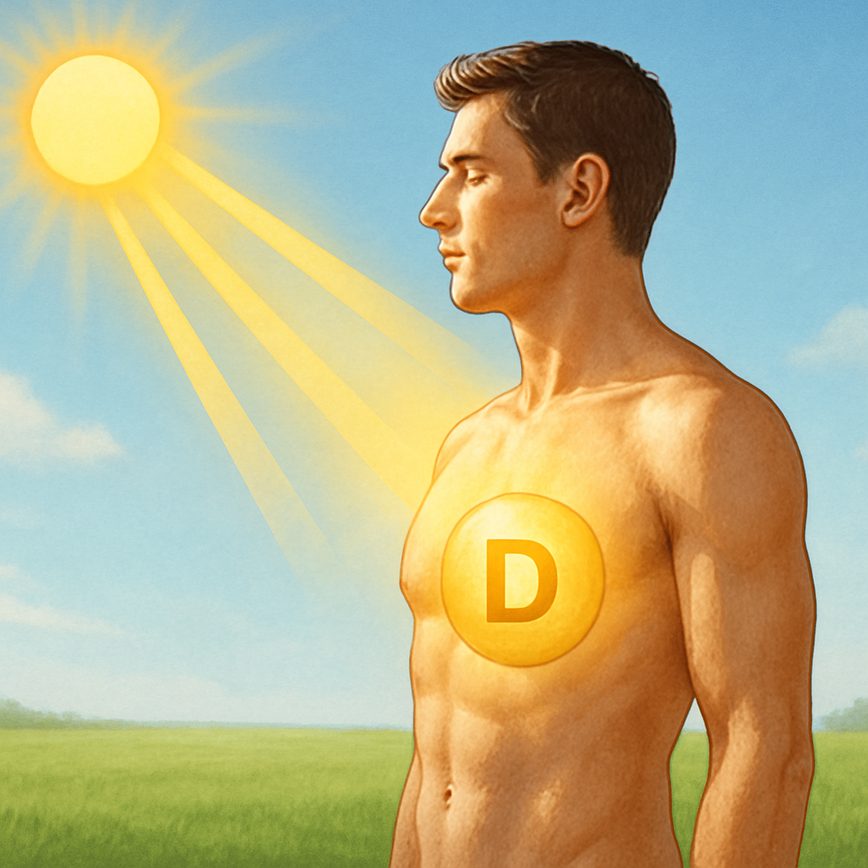
Importance of vitamin D for male wellbeing
27/04/2026
Role of Vitamin D in Male Health
Vitamin D plays a crucial role in male health and overall wellbeing, serving multiple physiological functions that are essential for maintaining optimal body performance. Often referred to as the “sunshine vitamin,” vitamin D benefits men by supporting bone health, immune function, hormone regulation, and cardiovascular strength, all vital components of male wellbeing.
One of the primary functions of vitamin D in men is the regulation of calcium and phosphorus metabolism, which directly influences bone density and strength. Adequate levels of vitamin D prevent bone diseases such as osteoporosis and fractures, conditions that can affect men as they age. By aiding in calcium absorption from the digestive tract, vitamin D ensures that bones remain strong and healthy, providing structural support necessary for an active lifestyle.
In addition to maintaining skeletal health, vitamin D benefits male health by modulating the immune system. It activates immune defenses and supports the body’s ability to fight infections and inflammation. This immune-boosting property is particularly important for men to maintain overall health and prevent illnesses that could detract from their wellbeing.
Vitamin D is also involved in male hormone function, particularly testosterone production. Research indicates that sufficient vitamin D levels may correlate with healthy testosterone levels, which influence not only reproductive health but also muscle mass, energy levels, and mood. These hormonal factors are critical to men’s wellbeing, impacting daily performance and long-term health outcomes.
Beyond bones, immunity, and hormone regulation, vitamin D contributes to cardiovascular health by supporting heart function and circulation. Maintaining healthy cardiovascular function is essential for men, particularly as they age, to reduce the risk of heart disease and promote stamina and energy.
In summary, the vitamin D benefits for male health are extensive and multifaceted. From supporting bone integrity and immune resilience to enhancing hormone balance and cardiovascular health, vitamin D is a cornerstone of men’s wellbeing. Ensuring adequate vitamin D intake through sun exposure, diet, or supplementation is vital for men to maintain their health and vitality across their lifespan.
Vitamin D and Immune System Support
Vitamin D plays a crucial role in strengthening the male immune system, acting as a key factor in immune health. Men with adequate levels of vitamin D benefit from enhanced immune responses, which can help reduce the risk of infections and illnesses. This essential nutrient supports the immune system by promoting the production of antimicrobial peptides, substances that directly attack invading pathogens and provide a first line of defense.
The relationship between vitamin D and immune health is particularly important for males, who may experience different immune challenges due to hormonal and physiological differences. Vitamin D immune support increases the efficiency of immune cells, such as T cells and macrophages, helping the body recognize and respond more effectively to bacterial and viral threats. This boost in immune function is vital for preventing illnesses that can impact overall wellbeing and daily performance.
Maintaining optimal vitamin D levels is therefore essential for male immune system health. Research indicates that insufficient vitamin D can lead to a weakened immune defense, making men more susceptible to colds, flu, and other infectious diseases. Supplementation or safe sun exposure, alongside a balanced diet, can help maintain these levels, ensuring the immune system remains robust. By supporting vitamin D intake, men can better protect their immune system, promoting long-term health and vitality.
Vitamin D’s Impact on Bone and Muscle Strength
Vitamin D plays an essential role in maintaining bone health and muscle strength, particularly in men. This vital nutrient facilitates the absorption of calcium and phosphorus from the diet, which are crucial minerals for maintaining strong and healthy bones. Insufficient vitamin D levels can lead to decreased bone density and increase the risk of fractures and osteoporosis, conditions that men, especially older adults, are vulnerable to.
Beyond its effects on the skeletal system, vitamin D also supports muscle function. Adequate vitamin D levels help improve muscle strength and coordination, which can reduce the risk of falls and injuries in men. This is particularly important as men age, as muscle mass and strength naturally decline over time. By supporting muscle function, vitamin D contributes to physical performance and overall male wellbeing.
Numerous studies have highlighted the vitamin D benefits in enhancing bone health and muscle strength. Men with sufficient vitamin D levels tend to have better bone mineral density and greater muscle function compared to those with deficiencies. Therefore, ensuring adequate vitamin D intake through diet, supplementation, or sunlight exposure is critical for maintaining the physical health and vitality of men at all ages.
Vitamin D Deficiency Risks for Men
Vitamin D deficiency is a widespread issue that significantly impacts male health, often going unnoticed until serious symptoms arise. Men with low levels of vitamin D face a range of health risks that can affect their overall wellbeing and quality of life. Understanding the common causes and signs of vitamin D deficiency is essential for early detection and prevention of its adverse effects.
One of the primary causes of vitamin D deficiency in men is inadequate exposure to sunlight. Vitamin D is synthesized in the skin when it is exposed to ultraviolet B (UVB) rays from the sun. Men who spend extensive time indoors, live in regions with limited sunlight, or consistently use sunscreen may not produce enough vitamin D naturally. Additionally, dietary intake of vitamin D is often insufficient, especially if men do not consume fortified foods or fatty fish, which are rich in this nutrient.
Certain health conditions and lifestyle factors also contribute to low vitamin D levels. Obesity can reduce the bioavailability of vitamin D because the vitamin is sequestered in fat tissues. Older men are at higher risk due to decreased skin capacity to produce vitamin D and potential kidney issues that impair conversion to its active form. Furthermore, men with malabsorption disorders such as celiac disease or Crohn’s disease might not absorb vitamin D adequately from food and supplements.
Recognizing the signs of vitamin D deficiency can be challenging because symptoms often develop gradually. Common signs include persistent fatigue, muscle weakness, joint pain, and frequent bone fractures. Men might also experience mood changes such as depression or irritability, which are sometimes linked to low vitamin D levels. These symptoms should prompt men to seek medical advice and testing for vitamin D deficiency.
The effects of low vitamin D go beyond general malaise. Vitamin D deficiency is associated with male health risks such as increased susceptibility to cardiovascular diseases, compromised immune function, and higher risk of certain cancers. Deficiency can also exacerbate osteoporosis, leading to fragile bones and increased fracture risk. Furthermore, emerging studies suggest that low vitamin D has a negative impact on testosterone levels, which can affect male reproductive health and overall vitality.
Given the severity of these male health risks, it is crucial for men to monitor their vitamin D status regularly, especially if they have known risk factors. Preventative measures include safe sun exposure, dietary adjustments, and supplementation when necessary. Addressing vitamin D deficiency not only improves physical health but also enhances mental wellbeing and energy levels, supporting a healthy, active lifestyle for men of all ages.
Health Consequences of Low Vitamin D Levels
Vitamin D deficiency effects in men can lead to a variety of serious health problems. When vitamin D levels are low, men are at increased risk of developing chronic diseases such as cardiovascular disease, diabetes, and certain cancers. This deficiency disrupts normal body functions and weakens the immune system, making men more vulnerable to infections and long-term health complications.
One of the most common vitamin D low impact symptoms is persistent fatigue and muscle weakness. Men experiencing low levels of vitamin D often report decreased energy, reduced stamina, and general feelings of tiredness, which can significantly affect daily well-being and productivity. This fatigue is linked to the vitamin’s role in muscle function and energy metabolism.
In addition, low vitamin D levels are associated with bone disorders such as osteoporosis and increased risk of fractures, a concern particularly relevant as men age. The deficiency contributes to poor bone mineralization, leading to fragile bones and joint pain. Mental health is also impacted, with studies showing a correlation between vitamin D deficiency and mood disorders such as depression and cognitive decline.
To safeguard men’s health and prevent the negative vitamin D deficiency effects, it is crucial to monitor and maintain adequate vitamin D levels through proper nutrition, supplementation, and sensible sun exposure. Addressing these issues early can reduce the risk of men health problems linked to vitamin D insufficiency.
Risk Factors Contributing to Deficiency
Vitamin D deficiency in men can stem from a variety of lifestyle, environmental, and physiological risk factors. One of the primary lifestyle contributors is insufficient sun exposure, as vitamin D synthesis depends heavily on ultraviolet B rays from sunlight. Men who spend most of their time indoors, work night shifts, or live in areas with limited sunlight are at higher risk. Additionally, the regular use of sunscreen, while important for skin protection, can significantly reduce vitamin D production.
Environmental factors also play a critical role in men vitamin D risks. Living in regions with higher latitudes or areas with substantial air pollution can limit effective sun exposure, reducing the skin’s ability to produce vitamin D naturally. Seasonal changes further exacerbate this issue, especially in winter months when daylight hours are shorter and UVB intensity is weaker.
Physiological conditions, such as aging, obesity, and certain medical disorders, increase susceptibility to vitamin D deficiency causes. Older men have reduced capacity to synthesize vitamin D in their skin, and excess body fat can sequester the vitamin, making it less bioavailable. Moreover, health issues like malabsorption syndromes or kidney and liver diseases can impair the metabolism and activation of vitamin D, heightening deficiency risks.
Understanding these risk factors is crucial for early identification and management of vitamin D deficiency in men, ensuring better overall wellbeing and reducing the possibility of related health complications.
How to Maintain Optimal Vitamin D Levels
Maintaining healthy vitamin D levels is essential for overall wellbeing, especially for men aiming to support their energy, immune function, and bone health. Achieving optimal vitamin D is a balance of obtaining sufficient sun exposure, consuming vitamin D sources through diet, and considering supplements when necessary.
Sun exposure is one of the most natural and effective ways to boost vitamin D levels. Aim for about 10 to 30 minutes of midday sun several times a week, depending on your skin type, location, and the season. Remember that excessive sun exposure increases the risk of skin damage, so balance is key. When spending prolonged time outdoors, use sun protection after adequate exposure time has been met.
In addition to sun exposure, incorporating vitamin D sources in your diet helps maintain healthy vitamin D levels. Fatty fish such as salmon, mackerel, and sardines are excellent sources, along with fortified dairy products, egg yolks, and mushrooms exposed to sunlight. Including these foods regularly supports a steady intake of vitamin D to complement sunlight synthesis.
For men who have limited sun exposure due to geographic location, lifestyle, or skin sensitivity, supplements can be an effective way to ensure healthy vitamin D levels. Vitamin D3 supplements are generally preferred for their better absorption and potency. It’s advisable to consult with a healthcare professional before starting supplementation to determine the right dosage based on current vitamin D status and individual needs.
Maintaining a healthy lifestyle can also support vitamin D status. Regular physical activity outdoors not only helps with sun exposure but also boosts overall health. Additionally, maintaining a healthy weight and avoiding smoking can assist in optimizing vitamin D metabolism in the body.
In summary, achieving and maintaining optimal vitamin D levels involves a combination of sensible sun exposure, consuming vitamin D-rich foods, and supplementing when necessary. By following these practical guidelines, men can support their health and wellbeing effectively through a healthy vitamin D balance.
Natural Sources and Sunlight Exposure
For men aiming to boost their vitamin D levels naturally, sunlight vitamin D synthesis is one of the most efficient methods. Regular, moderate exposure to sunlight allows the skin to produce vitamin D3, the active form of the vitamin. Experts generally recommend about 10 to 30 minutes of midday sun exposure several times a week, depending on skin type, location, and season. It’s important to expose areas like the arms, legs, or back without sunscreen to maximize natural vitamin D production, while balancing skin cancer risks.
In addition to sunlight, dietary sources of vitamin D are vital, especially in regions with limited sun exposure. Fatty fish such as salmon, mackerel, and sardines are excellent sources of natural vitamin D. Other dietary options include fortified foods like milk, orange juice, and cereals, as well as egg yolks and mushrooms exposed to UV light. Incorporating these nutrient-dense foods into daily meals can significantly contribute to maintaining optimal vitamin D levels.
Combining regular sunlight vitamin D exposure with a balanced intake of dietary sources offers a holistic approach to natural vitamin D enhancement. This strategy supports male wellbeing by promoting bone health, immune function, and overall energy. Men should consider their lifestyle, skin sensitivity, and geographical location to determine the most effective balance of sun exposure and natural vitamin D-rich foods for their unique needs.
Vitamin D Supplementation for Men
Vitamin D supplements can be an important addition to the health regimen of many men, especially those who have limited sun exposure or suffer from vitamin D deficiency. Men should consider supplementation if blood tests indicate low vitamin D levels or if they belong to groups at higher risk such as older adults, individuals with darker skin, or those living in northern latitudes where sunlight is scarce for much of the year.
When taking vitamin D supplements, it is essential to adhere to the correct dosage. The recommended daily allowance for most men is between 600 to 800 IU, but some may require higher doses based on their individual health needs and lab results. It is vital to avoid excessive intake, as too much vitamin D can lead to toxicity and adverse health effects, including calcium buildup in the blood.
Men supplementation should always be approached cautiously and ideally under the guidance of a healthcare provider. Consulting with a doctor ensures the proper dosage is determined based on health status, lifestyle, and existing medical conditions. Regular monitoring through blood tests helps tailor supplementation to maintain optimal vitamin D levels while preventing any risks associated with over-supplementation.

I’m a longtime fitness enthusiast who loves exploring practical habits that boost daily energy and confidence. Sharing simple, science‑backed routines that help men feel their best is what keeps me motivated every day.