
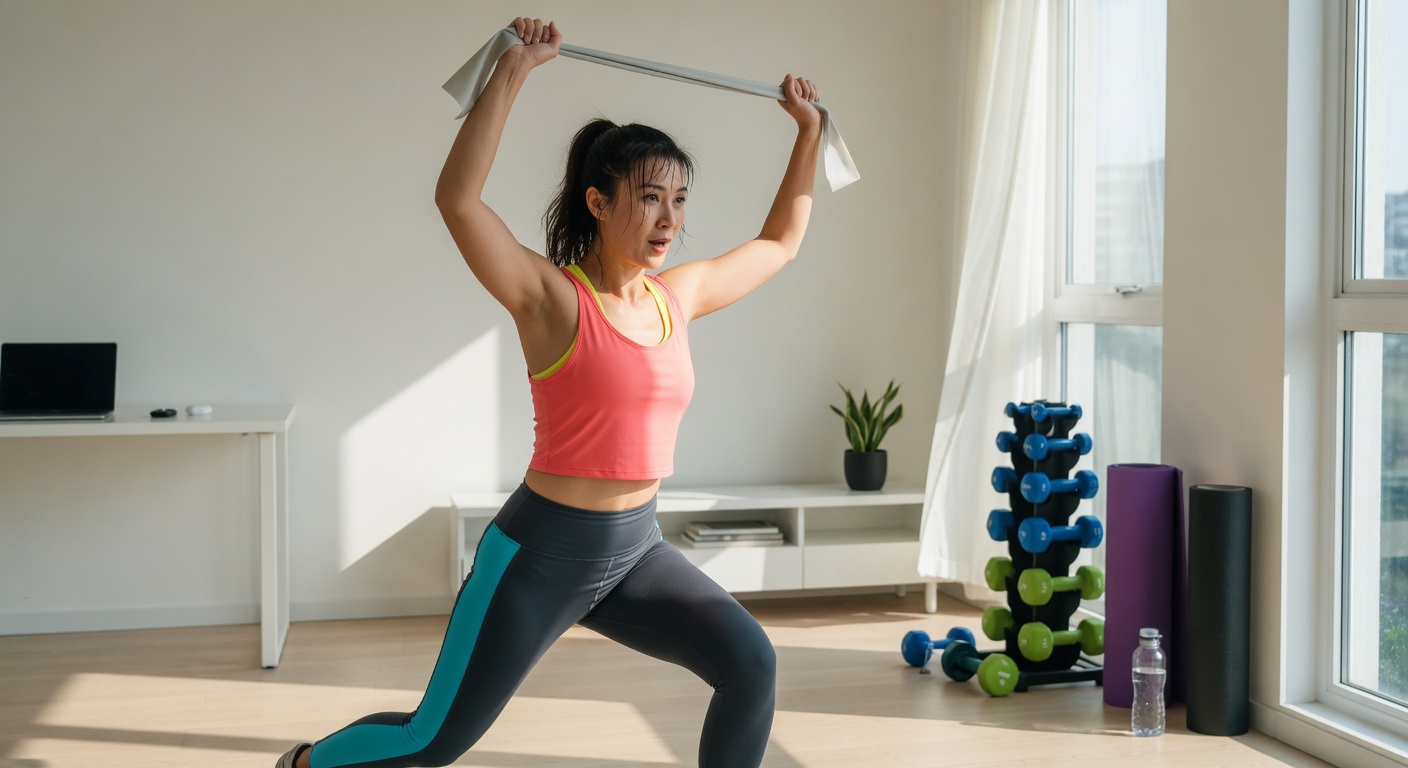
How to implement micro-workouts during the day
04/06/2026
Understanding Micro-Workouts and Their Benefits
Micro-workouts are short bursts of physical activity that can be easily integrated into your daily routine. Unlike traditional workouts, which often require a dedicated block of time at the gym or at home, micro-workouts typically last anywhere from one to ten minutes. These brief exercise sessions focus on quick, efficient movements that elevate your heart rate and engage major muscle groups without the need for extensive equipment or preparation.
The primary difference between micro-workouts and conventional exercise routines lies in their duration and flexibility. Traditional workouts usually involve longer sessions, often 30 minutes or more, aimed at comprehensive fitness goals such as muscle building, endurance, or weight loss. Micro-workouts, on the other hand, are designed for convenience and accessibility, allowing individuals to sneak in multiple short exercise sessions throughout the day. This approach helps in breaking up sedentary periods and keeps the body active consistently.
One of the most notable benefits of micro-workouts is the improvement in energy levels. Engaging in a quick burst of physical activity triggers the release of endorphins and boosts circulation, which can help combat afternoon slumps and increase alertness. These short exercise sessions serve as natural pick-me-ups, helping you feel more energized without the need for caffeine or sugary snacks.
In addition to enhancing energy, micro-workouts contribute to increased flexibility and mobility throughout the day. Regular movement prevents stiffness, especially for those who spend extended hours at a desk or in front of screens. By incorporating micro-workouts, you can improve joint health and muscle function gradually without overwhelming your body with intense workouts. This makes it an ideal fitness strategy for people of all ages and fitness levels.
Overall, the benefits of micro workouts extend beyond simple physical improvements. They promote a healthier lifestyle by encouraging more frequent movement, reducing stress, and improving overall well-being. Whether you are aiming to boost your daily activity, enhance your physical fitness, or simply find manageable ways to stay active, micro-workouts offer a practical and effective solution. Embracing these short exercise sessions can lead to sustained health benefits and a more dynamic, energetic day.
What Are Micro-Workouts?
Micro workouts refer to brief exercises designed to fit into small pockets of time throughout your day. Typically lasting anywhere from one to ten minutes, these minute workouts offer a quick and effective way to boost physical activity without the need for a full workout session. The micro workouts definition centers on their convenience and simplicity, allowing individuals to engage in physical movement even during busy schedules.
These brief exercises often include a variety of movements such as bodyweight exercises (like push-ups, squats, and lunges), stretching routines, or light cardio activities like jumping jacks or running in place. Because they are short in duration, micro workouts can be easily integrated into daily routines, such as taking a break between work tasks, during commercial breaks while watching TV, or even in the morning to jumpstart the metabolism.
Micro workouts are not only practical but also versatile, catering to different fitness levels and goals. Whether the goal is to increase strength, improve flexibility, or simply stay active, these quick bursts of exercise are a powerful complement to longer workout sessions or a standalone method for maintaining daily movement. Embracing minute workouts can enhance overall well-being by keeping the body active and preventing the negative effects of prolonged sitting or inactivity.
Health and Productivity Benefits
Incorporating micro-workouts throughout the day offers a wide range of health benefits that impact both the body and mind. Physically, these short bursts of activity help improve cardiovascular health, increase muscle tone, and boost overall fitness. Unlike long exercise sessions, micro-workouts are easier to fit into a busy schedule, making consistent movement more accessible and sustainable. This regular engagement in physical activity contributes significantly to long-term health and vitality.
Mental health is also positively influenced by micro-workouts. These brief exercises stimulate the release of endorphins and other mood-enhancing chemicals, reducing stress and anxiety levels. Incorporating micro-workouts can lead to enhanced alertness and sharper focus throughout the day, which supports productivity at work or in personal tasks. By breaking the monotony of sedentary periods, micro-workouts rejuvenate the mind and help maintain high levels of concentration.
The combination of these physical and mental health benefits makes micro-workouts a powerful tool for improving both fitness and focus. They serve as natural energy boosters, reducing feelings of fatigue and helping to maintain a balanced state of well-being. Overall, integrating micro-workouts into daily routines offers a practical and effective way to enhance health and productivity simultaneously.
Effective Ways to Implement Micro-Workouts During the Day

Incorporating micro-workouts into your busy daily routine can be a game changer for your health and energy levels. Understanding how to do micro-workouts effectively helps you stay consistent without feeling overwhelmed. Here are practical daily workout tips and workout ideas that seamlessly fit into your schedule.
First, take advantage of short breaks. Whether it’s a five-minute gap between meetings or waiting for your coffee to brew, use this time to perform simple exercises like jumping jacks, push-ups, or bodyweight squats. These quick bursts of activity can elevate your heart rate and boost circulation without requiring a change of clothes or equipment.
Second, integrate movement into routine tasks. For example, practice calf raises while brushing your teeth or march in place while cooking. These tiny changes add up and provide consistent movement throughout the day, helping to break long periods of sitting.
Third, set reminders on your phone or computer to prompt micro-workouts every hour. It’s easy to lose track of time when working or engrossed in tasks, so these reminders act as gentle nudges to keep you active and mindful of your health goals.
Fourth, rethink your workspace. If possible, use a standing desk or take phone calls while walking. Incorporating physical activity into your work habits ensures that your workout ideas become a natural part of your day without disruption.
Finally, keep a list of favorite micro-workouts handy. Having a diverse set of exercises tailored to different intensities and durations reduces decision fatigue and keeps your routine exciting. This approach encourages consistency and helps you sustain an active lifestyle, even during a hectic day.
Incorporating Micro-Workouts at Work
Staying active during office hours is essential for both physical health and mental clarity. Incorporating workplace exercise through simple office micro workouts can significantly improve your day without requiring much time or space. Desk exercises are perfect for this purpose, allowing you to keep moving and energized without leaving your workspace.
One effective desk exercise is the seated leg raise. Sit upright and extend one leg straight out for a few seconds, then lower it without touching the floor. Repeat this 10-15 times per leg to engage your thigh muscles. Another easy movement is shoulder rolls; simply lift your shoulders towards your ears and rotate them backward in a circular motion to release tension and improve circulation.
In addition to seated exercises, try standing activities such as calf raises. While waiting for a meeting to start or during phone calls, rise onto your toes and slowly lower back down. This helps strengthen your calves and boosts blood flow. Stretching your arms overhead or doing gentle torso twists at your desk can also alleviate stiffness and refresh your body.
Integrating these office micro workouts regularly throughout the day can prevent the adverse effects of prolonged sitting. Simple desk exercises promote better posture, reduce muscle fatigue, and enhance overall productivity. With just a few minutes of movement, you can maintain an active routine and feel invigorated even on your busiest workdays.
Using Break Times for Quick Exercise Sessions
Break time workouts provide an excellent opportunity to incorporate quick exercises into your daily routine without the need for a long gym session. By dedicating just a few minutes during your breaks, you can engage in targeted mini workout sessions that refresh both your body and mind. Whether it’s a short stretch, a series of jumping jacks, or some light yoga poses, these fast exercises help boost circulation, reduce muscle stiffness, and improve mental clarity.
To utilize short breaks effectively, plan a variety of quick exercises that focus on different muscle groups. For instance, a 5-minute break could include squats, lunges, or planks to activate your lower body and core. These mini workout sessions not only fit easily into your schedule but also maintain your energy levels throughout the day. The key is consistency—regular break time workouts can have lasting benefits on your overall health and productivity.
Incorporating quick exercises during breaks also helps combat the negative effects of prolonged sitting. Stand up, move around, and get your heart rate up briefly to clear your mind and enhance focus when you return to work. By treating breaks as an opportunity for movement, you establish a routine that encourages an active lifestyle even during busy days. So next time you find a few spare minutes, remember to use break time workouts to invigorate yourself with effective, fast, and refreshing mini workout sessions.
Tips for Staying Consistent with Micro-Workouts
Maintaining workout consistency can be challenging, especially when life gets busy. However, integrating micro workouts into your daily routine can make it easier to stay motivated and keep your fitness journey on track. The key is to build a micro workouts routine that fits seamlessly into your schedule and keeps your motivation levels high.
Firstly, establish a fixed time for your micro-workouts each day. Whether it’s during a mid-morning break, lunchtime, or shortly after waking up, consistency in timing helps turn these short exercise bursts into healthy habits. Treat these micro workouts as important appointments that you cannot miss. Setting reminders or calendar alerts can be useful tools to keep you accountable.
Another effective tip is to prepare your workout space and gear in advance. By having your workout clothes and any essential equipment ready, you reduce the friction for starting your routine. This preparation supports a smoother transition from a sedentary moment to physical activity, thus encouraging regularity in your micro workouts routine.
Fitness motivation often comes from setting achievable goals and celebrating small wins. Recognize the effort you put into completing each micro workout, no matter how brief. Tracking your progress through journals or fitness apps can reinforce positive feelings and help you maintain your workout consistency. Additionally, varying your exercises can prevent boredom and keep your enthusiasm alive.
Finally, find ways to integrate social support. Sharing your goals and progress with friends, family, or online communities provides encouragement and accountability. You can even invite a workout buddy to join you for regular micro workout sessions, making the experience more enjoyable and motivating.
By scheduling your workouts thoughtfully, preparing ahead, celebrating progress, and engaging support networks, you can successfully embed micro-workouts into your daily routine. This approach not only enhances workout consistency but also makes fitness a sustainable and rewarding part of your lifestyle.
Setting Realistic Goals
Creating achievable fitness goals is a fundamental part of effective goal setting, especially when incorporating micro-workouts into your daily routine. To maintain motivation and track progress, it’s crucial to set workout targets that are both realistic and measurable. Start by assessing your current fitness level and daily schedule to determine how much time you can consistently dedicate to micro-workouts. Setting overly ambitious goals can lead to frustration and burnout, so break down larger objectives into smaller, attainable milestones.
For example, instead of aiming to exercise for an hour each day, focus on completing two or three 5-minute micro-workouts. This approach allows you to easily fit fitness into your day while feeling a sense of accomplishment after each session. Keep a journal or use a fitness app to record your workout targets and track your progress over time. Monitoring your achievements reinforces positive behavior and helps identify areas for improvement.
Remember that flexibility is key in goal setting. Your fitness goals may evolve as your endurance improves or your schedule changes. Adjust your workout targets accordingly to continue challenging yourself without compromising motivation. By setting realistic goals, you not only build a sustainable habit but also create a clear path to achieving long-term fitness success through micro-workouts.
Tracking Progress and Staying Accountable
Monitoring your micro-workout progress is essential for maintaining motivation and ensuring long-term success. Utilizing fitness tracking tools can help you stay on top of your goals by providing insight into your daily activity patterns. Apps such as Fitbit, MyFitnessPal, or specialized workout log platforms allow you to record each micro-workout session effortlessly. These tools often include features like reminders, progress charts, and customizable goals, which enhance accountability.
Keeping detailed workout logs is another effective method for tracking progress. Whether you prefer digital apps or a simple notebook, logging time, type of exercise, and intensity can help you identify patterns and areas needing improvement. This practice transforms abstract intentions into tangible achievements, boosting your commitment to regular micro-workouts.
Accountability tools, such as joining virtual fitness communities or pairing up with a workout buddy, offer social support to keep you engaged. Sharing your progress on social media or through accountability groups can foster a sense of responsibility and encouragement. Combining these strategies—fitness tracking, consistent workout logs, and accountability partners—creates a solid framework to help you stay committed and maximize the benefits of micro-workouts throughout your day.

I’m a longtime fitness enthusiast who loves exploring practical habits that boost daily energy and confidence. Sharing simple, science‑backed routines that help men feel their best is what keeps me motivated every day.