

Quick mobility routines for desk workers
09/06/2026
Benefits of Quick Mobility Routines for Desk Workers
Incorporating quick mobility routines during work hours offers numerous mobility benefits that can significantly enhance desk worker health. Sitting for prolonged periods often leads to stiffness and discomfort, but by engaging in brief mobility exercises, workers can reduce stiffness and improve circulation, promoting overall physical well-being.
Physically, quick mobility routines help to counteract the negative effects of sedentary behavior. Movement stimulates blood flow, delivering oxygen and nutrients to muscles and joints, which helps to prevent aches and pains typically associated with extended sitting. These exercises also enhance flexibility and joint range of motion, making everyday movements easier and reducing the risk of musculoskeletal injuries.
Mental health benefits are equally important. Taking short breaks to focus on mobility can reduce stress levels and improve concentration. Physical activity triggers the release of endorphins, natural mood boosters that contribute to a more positive outlook and increased productivity. Moreover, these routines can break the monotony of the workday, helping to refresh the mind and combat fatigue.
Overall, consistently practicing quick mobility routines is a practical strategy for desk workers to maintain their health. These exercises not only reduce stiffness and improve circulation but also support mental clarity and emotional balance, making them an essential part of any workplace wellness plan.
Health Risks of Prolonged Sitting
Prolonged sitting, common in many desk jobs, poses significant health risks that can severely impact overall well-being. This sedentary lifestyle is linked to a range of health problems including back pain, poor posture, obesity, cardiovascular disease, and even metabolic disorders like type 2 diabetes. When individuals remain seated for extended periods, blood circulation slows down, which can lead to stiffness and muscle degeneration, especially in the lower back and legs. Moreover, prolonged sitting contributes to decreased energy expenditure, making it easier to gain weight and harder to maintain a healthy body composition.
Desk job issues related to a sedentary lifestyle further include increased risk of mental fatigue and reduced productivity, as staying in one position for too long can diminish alertness and focus. Chronic sitting also affects the spine’s natural alignment, which may cause discomfort and long-term musculoskeletal problems. These health risks highlight the importance of integrating quick mobility routines into daily schedules. Such routines help counteract the negative effects of sitting by promoting movement, improving blood flow, and enhancing muscle activation. Even brief mobility exercises can increase flexibility, reduce stiffness, and alleviate tension built up during desk work.
Incorporating quick mobility routines into a daily regimen is essential for desk workers to mitigate the health risks associated with prolonged sitting. These activities not only support physical health but also contribute to better mental clarity and increased energy, making them a vital practice in combating the consequences of a sedentary lifestyle.
Improved Productivity and Focus
Taking quick mobility breaks throughout the workday can significantly enhance productivity and focus for desk workers. These short, intentional desk exercises help to combat the physical and mental fatigue that often accumulates from prolonged sitting and repetitive tasks. When you engage in simple movements, such as stretching or light mobility routines, blood flow increases, delivering more oxygen to the brain and muscles. This natural boost in circulation can lead to a noticeable productivity boost, helping you maintain concentration on your tasks.
Moreover, incorporating movement breaks disrupts sedentary habits, which are known to negatively impact cognitive function and work performance. By regularly practicing quick mobility routines, you give your mind a moment to reset, reducing stress and mental clutter. This focus improvement can translate into clearer thinking, faster problem-solving, and better decision-making throughout your day. Desk exercises are not just about physical health—they play a vital role in supporting your overall work efficiency.
In summary, quick mobility breaks are a simple but effective strategy to improve your work performance. By prioritizing short, frequent movements, you help sustain high energy levels and keep your mind sharp. Whether you’re handling complex projects or routine tasks, these desk exercises can be a game-changer for productivity and focus during long hours at your workstation.
Easy Quick Mobility Exercises to Do at Your Desk
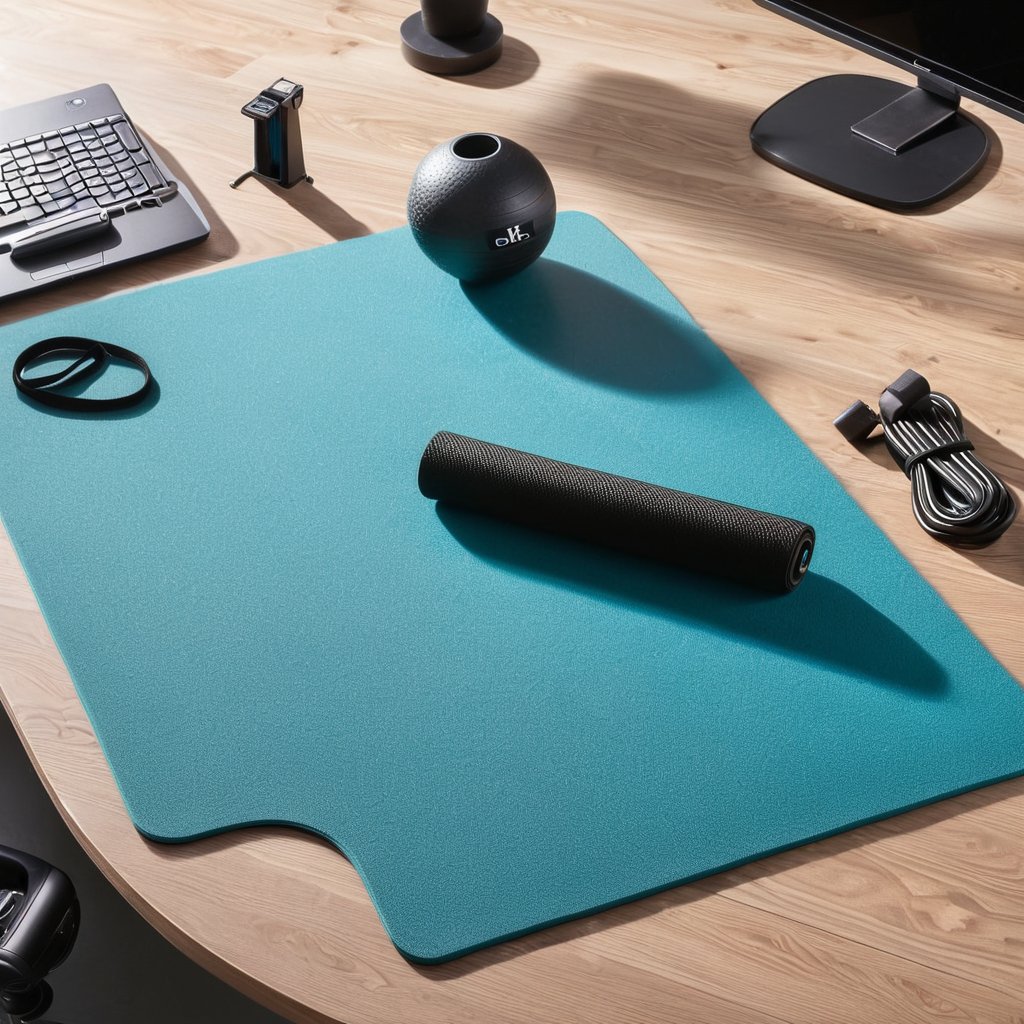
Staying at your desk for long periods can lead to stiffness and reduced mobility, but you can easily counteract these effects with simple desk exercises. Incorporating quick stretches and mobility routines during your work breaks helps maintain flexibility and prevents discomfort. Here are step-by-step instructions for effective and easy-to-do mobility exercises that desk workers can perform without leaving their workspace.
- Neck Circles: Sit upright in your chair. Slowly drop your chin toward your chest, then gently roll your head in a circle clockwise. Complete five circles, then switch directions for another five. This quick stretch helps release neck stiffness and improves mobility.
- Shoulder Rolls: Lift your shoulders toward your ears and then roll them back and down in a circular motion. Repeat this movement 10 times to loosen shoulder joints and reduce the tension that builds up from typing or holding the phone.
- Seated Spinal Twist: Sit with your feet flat on the floor. Place your right hand on the back of your chair and your left hand on your right knee. Twist your torso gently to the right, hold for five seconds, then return to center. Repeat on the left side. This helps alleviate tightness along your spine and improve rotational mobility.
- Wrist and Finger Stretches: Extend one arm in front of you with the palm facing down. Use your other hand to gently pull back the fingers, stretching the wrist and forearm. Hold for 10 seconds, then switch hands. Additionally, stretch your fingers by spreading them wide and then making a fist repeatedly to boost circulation and flexibility in your hands.
- Seated Hamstring Stretch: Extend one leg straight in front of you with your heel resting on the floor. Keep your back straight and lean forward slightly from the hips until you feel a stretch in the back of your thigh. Hold for 15 to 20 seconds, then switch legs. This quick stretch helps reduce stiffness from prolonged sitting and enhances lower body mobility.
- Ankle Circles: Lift one foot off the ground and rotate your ankle clockwise for 10 rotations, then counterclockwise for 10. Repeat with the other ankle. This exercise stimulates circulation and keeps your ankle joints flexible during long desk hours.
Incorporating these desk exercises into your daily routine during quick work breaks boosts circulation, reduces muscle stiffness, and improves overall mobility. These easy and effective mobility routines help you stay comfortable and more productive throughout your workday.
Neck and Shoulder Stretches
Spending long hours at a desk can often lead to stiffness and discomfort, especially in the neck and shoulders. Incorporating simple neck stretches and shoulder mobility exercises into your daily routine can help reduce tension and improve overall comfort. Start by gently tilting your head towards one shoulder, holding the stretch for 15 to 20 seconds, then switch sides. This neck stretch helps relieve tightness in the cervical muscles caused by hunching over a computer.
Next, shoulder rolls are an effective way to release built-up tension. Slowly roll your shoulders forward in a circular motion for 10 repetitions, then reverse the direction. This desk stretch increases blood flow and promotes flexibility in the shoulder joints. For an added stretch, interlace your fingers behind your back and gently lift your arms while keeping your chest open. Hold this position for 20 seconds to improve shoulder mobility and counteract the rounded posture common in desk workers.
Incorporating these neck stretches and shoulder mobility exercises regularly can significantly reduce the discomfort associated with prolonged sitting. They’re quick, easy to perform at your workstation, and can make a noticeable difference in your posture and daily comfort. Regular desk stretches not only alleviate immediate tension but also contribute to long-term musculoskeletal health. Make these a regular part of your workday to help your body stay flexible and tension-free.
Seated Spinal Twists and Hip Openers
Incorporating spinal twists and hip openers into your daily desk routines can significantly enhance spinal flexibility and hip mobility without ever leaving your seat. These seated exercises are perfect for desk workers looking to combat stiffness and improve overall movement while staying productive.
To start, sit upright with your feet flat on the floor. Cross your right leg over your left thigh, allowing your right knee to point outward, initiating a gentle hip opener. Place your left hand on your right knee and your right hand on the back of your chair. Inhale deeply, then exhale as you gently twist your torso to the right. Hold this position for 20-30 seconds, feeling the stretch along your spine and hips. Repeat on the opposite side to balance mobility evenly.
Another effective seated spinal twist involves clasping your hands behind your head. Sit tall, inhale to lengthen your spine, and as you exhale, rotate your upper body slowly to the right while keeping your hips square. Return to center on the inhale, then twist to the left. This movement not only enhances spinal twists but also activates your core muscles.
These spinal twists combined with hip mobility stretches are essential components of desk routines aimed at reducing lower back tension and improving circulation. Performing these seated exercises regularly helps maintain flexibility, reduces discomfort, and encourages better posture throughout your workday.
Ankle Circles and Wrist Flexibility Movements
Sitting at a desk for prolonged periods can lead to stiffness and reduced circulation, especially in the extremities like ankles and wrists. Incorporating simple ankle mobility and wrist exercises into your routine can greatly improve blood flow and prevent discomfort.
One effective ankle exercise is ankle circles. While seated, lift one foot off the floor and slowly rotate your ankle in a circular motion. Perform 10 rotations clockwise, then switch to 10 rotations counterclockwise. This movement promotes ankle mobility and enhances circulation, helping to reduce swelling and stiffness around the joints.
For wrist exercises, start by extending one arm in front of you with the palm facing down. Gently bend your wrist downward, then upward, holding each position for a few seconds. Next, perform wrist circles by rotating your wrist clockwise and then counterclockwise. Repeat these movements 10 times on each wrist. These exercises increase flexibility and circulation in the wrists, which is essential for desk mobility and preventing repetitive strain injuries.
Incorporating these simple ankle and wrist exercises into your daily desk routine can significantly boost circulation enhancement, reduce discomfort, and support overall desk mobility. Make it a habit to take short breaks for these movements to keep your extremities flexible and energized throughout the workday.
Tips for Integrating Quick Mobility Routines into Your Workday
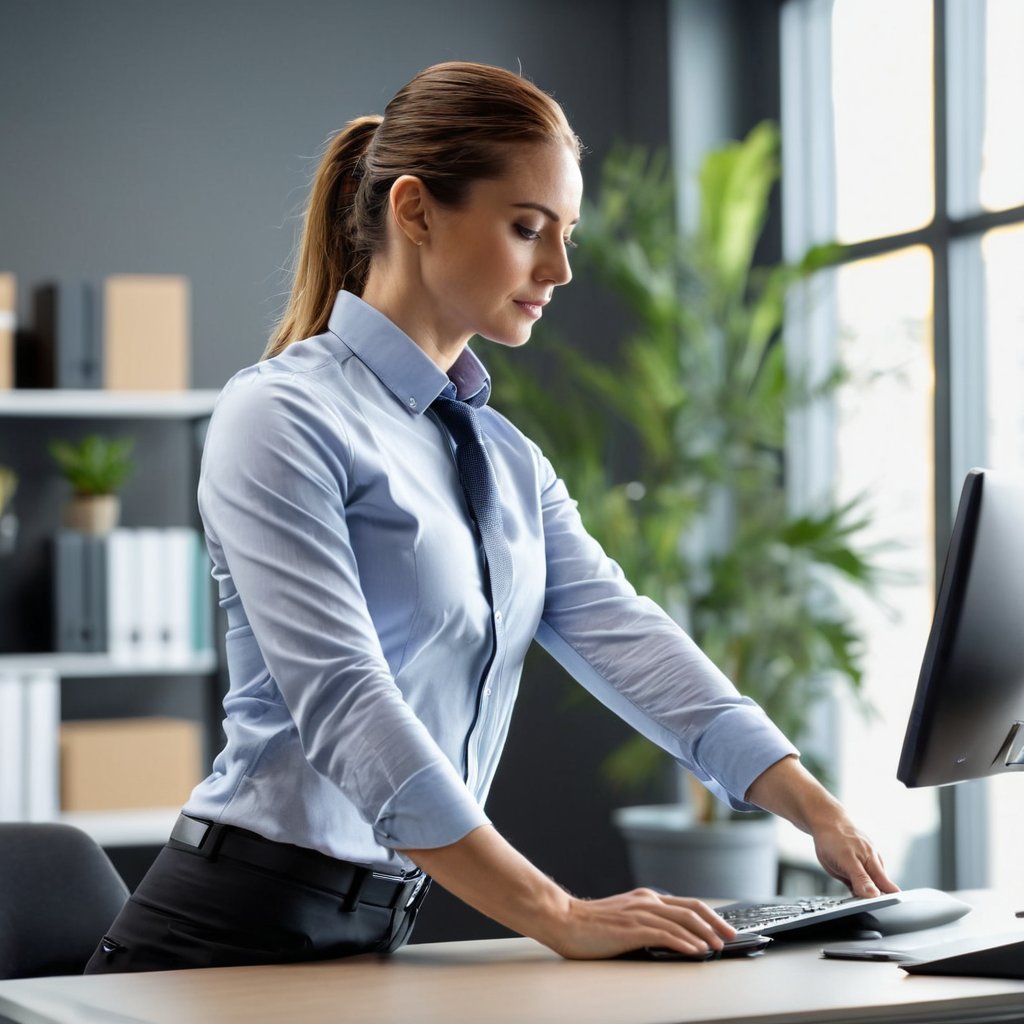
Incorporating quick mobility routines into your workday is essential for maintaining healthy habits, especially for desk workers who spend long hours seated. To make exercise integration seamless, try to align your routines with natural breaks and existing habits throughout your day.
First, set clear reminders. Use calendar alerts, phone notifications, or desktop timers to prompt you every hour or two. These signals serve as cues to pause your work and perform a short mobility exercise. Consistent reminders help transform sporadic movement into a reliable workday routine.
Next, incorporate mobility exercises that require minimal time and space. Movements such as seated spinal twists, neck stretches, or shoulder rolls can be performed right at your desk without needing special equipment. These quick exercises effectively reduce stiffness and promote circulation without interrupting your workflow.
Create a designated workspace that encourages movement. If possible, use a sit-stand desk or an area where you can stretch and move freely. Changing your workspace environment can motivate you to get up and avoid the trap of prolonged sitting.
Pair your quick mobility routines with other daily habits like hydration breaks or lunchtime walks. Combining activities reinforces the routine and increases the likelihood of consistency. For example, after drinking a glass of water, perform a set of arm circles or standing stretches.
Buddy up with colleagues or join online communities focused on healthy habits and exercise integration. Social accountability provides motivation and support, making it easier to stick with your mobility routines throughout the workday.
Finally, track your progress and celebrate small achievements. Use a journal or a mobile app to log each session, noting improvements in comfort and energy levels. Recognizing these benefits encourages continued commitment to your workday routines and overall wellbeing.
Setting Reminders and Scheduling Breaks
Incorporating reminder tools and scheduled breaks into your workday is essential for promoting regular desk breaks and maintaining physical mobility. These tools serve as effective prompts to interrupt long periods of sitting, encouraging you to get up, stretch, and move around before stiffness and fatigue set in.
One practical approach is to use digital calendars or timer apps that allow you to set recurring alerts throughout your work hours. By scheduling breaks at consistent intervals, you establish a routine that your body can anticipate and adapt to, aiding habit formation. This regularity reinforces the importance of movement and helps integrate mobility breaks seamlessly into your daily workflow.
Reminder tools can vary from simple phone alarms to specialized apps designed specifically to prompt desk workers to stand or do short exercises. Pairing these reminders with calendar events not only adds a visual cue to your day but also provides a structured schedule that colleagues and supervisors can respect and support.
Over time, these scheduled breaks become part of a healthy work habit, reducing the risk of sedentary-related issues such as muscle tension and decreased circulation. Embracing reminder tools and consistent break scheduling enables desk workers to boost productivity, enhance well-being, and foster sustainable mobility habits during long work hours.
Using Ergonomic Workspace Enhancements
Optimizing your workspace with ergonomic tools is essential to complement quick mobility exercises and reinforce proper posture. Ergonomic products such as adjustable chairs, sit-stand desks, and keyboard trays help create a workspace setup that supports your body’s natural alignment throughout the workday. By integrating these ergonomic tools into your routine, you reduce strain on muscles and joints, making mobility exercises more effective and preserving overall wellness.
One critical aspect is posture support. Ergonomic chairs with lumbar support encourage a healthy spine curve, preventing slouching and reducing back pain. Pairing this with an active workstation approach, like using a sit-stand desk or balance boards, encourages subtle movements that improve circulation and reduce stiffness from prolonged sitting. These small but consistent changes work hand-in-hand with mobility routines by maintaining flexibility and joint health.
Additionally, arranging your workspace ergonomically—placing monitors at eye level, positioning keyboards and mice to keep wrists neutral, and using footrests if necessary—further supports natural posture. This setup minimizes the risk of repetitive strain injuries and tension, allowing your body to respond better to quick mobility routines designed for desk workers.
In summary, investing in ergonomic workspace enhancements offers a practical way to boost the benefits of your mobility exercises. By supporting your posture and promoting active workstations, these tools foster a healthier, more comfortable work environment that sustains long-term physical welfare.

I’m a longtime fitness enthusiast who loves exploring practical habits that boost daily energy and confidence. Sharing simple, science‑backed routines that help men feel their best is what keeps me motivated every day.