
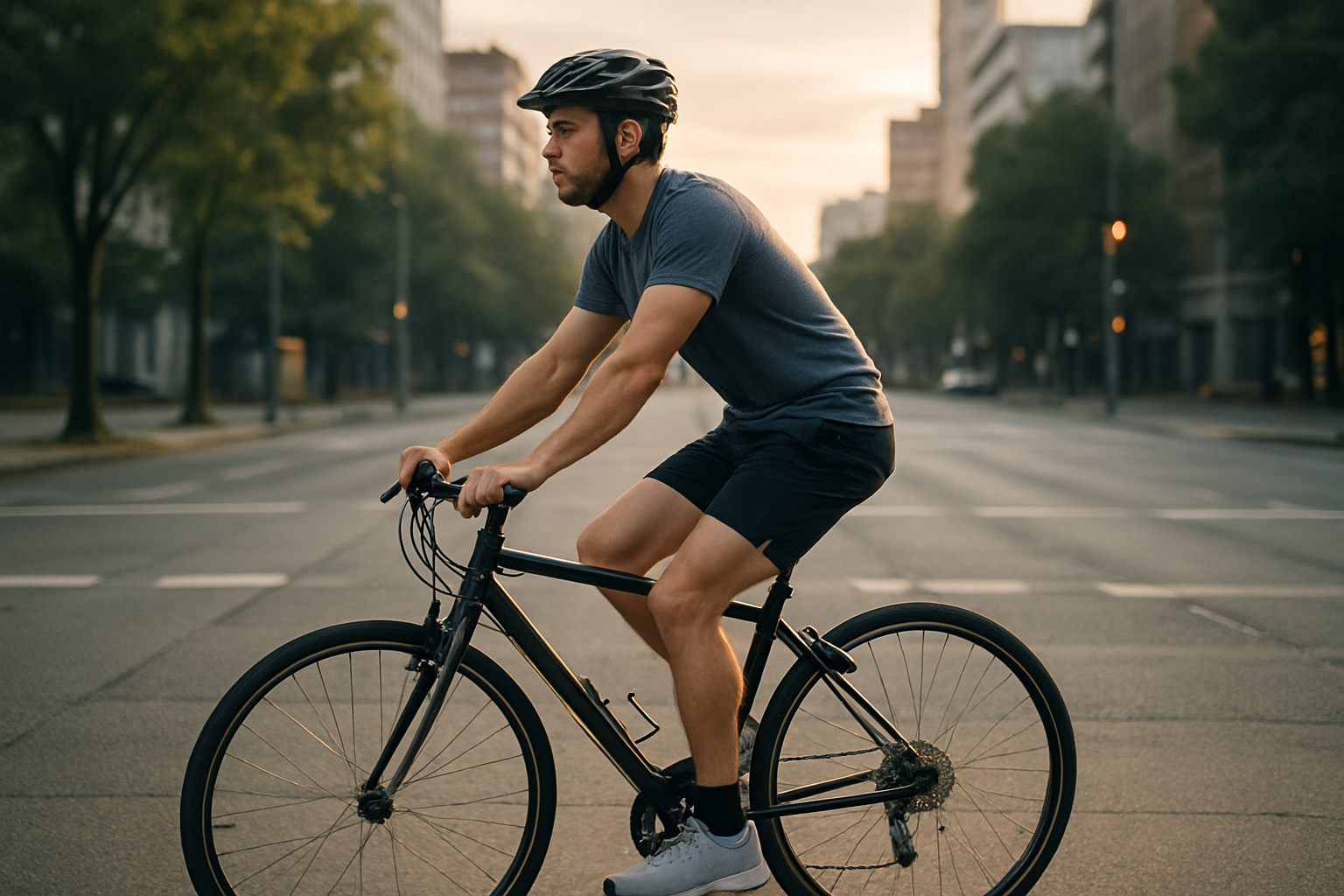
How to plan active commuting for energy
21/06/2026
Consistency tips should focus on creating a flexible yet structured commute routine. Planning your routes ahead and preparing your gear the night before helps reduce friction in the morning and evening. Additionally, integrating your active commute with your existing daily habits—for example, listening to your favorite podcast or playlist while traveling—can make the experience more enjoyable and something to look forward to.
Another important aspect is tracking your progress. Whether you use a fitness app or a simple journal, monitoring your active commute habits can provide tangible evidence of your energy gains and improvements. This feedback loop helps reinforce positive behavior and highlights the benefits that keep you motivated on days when consistency feels challenging.
Finally, consider building a support system by involving friends, family, or coworkers who share your commitment to active commuting. Group rides or walks not only boost motivation but also add a social element that makes sticking to your commute routine more enjoyable. By applying these strategies, you can turn active commuting into a sustainable practice that enhances your energy and well-being for the long term.
Understanding Active Commuting and Its Benefits
Active commuting refers to the practice of traveling to and from work or other regular destinations using physical activity. Instead of relying solely on cars or public transportation, individuals engage in walking, cycling, jogging, or even skateboarding as part of their daily journey. This approach is gaining popularity as more people recognize its positive impact on overall well-being and daily energy levels.
One of the primary benefits of active commuting is the significant boost in energy it provides throughout the day. Incorporating physical activity into your commute energizes the body by increasing circulation and oxygen flow to the brain, which can improve focus and productivity at work. Unlike a sedentary drive or sitting on a bus, active commuting helps kick-start your metabolism early in the morning and keeps it active, helping you feel alert and ready to tackle your day.
Beyond the immediate energy boost, the health advantages of active commuting are numerous and well-documented. Regular physical movement helps maintain a healthy weight, lowers the risk of cardiovascular diseases, and strengthens muscles and bones. It also promotes mental well-being by reducing symptoms of stress, anxiety, and depression through the release of endorphins—natural mood-enhancers produced during exercise.
Embracing active commuting also fosters long-term health improvements. By making physical activity a consistent part of your routine, you build endurance and improve your overall fitness level. This not only supports your physical health but also contributes to more sustained energy throughout the day, less fatigue, and better sleep patterns.
In summary, active commuting offers more than just an alternative way to get from place to place. It combines transportation with exercise, delivering a wide range of benefits including an energy boost and numerous health advantages. By adopting active commuting, you can enhance both your physical vitality and mental clarity, setting a positive tone for a healthier lifestyle.
Planning Your Active Commute for Maximum Energy
Effectively planning your active commute is essential for energy optimization throughout your day. By thoughtfully organizing your commute routine and exercise timing, you can turn what might feel like a mundane trip into a powerful energy booster. Whether you choose to walk, bike, or incorporate other forms of movement, strategic planning can help you sustain higher energy levels from morning till evening.
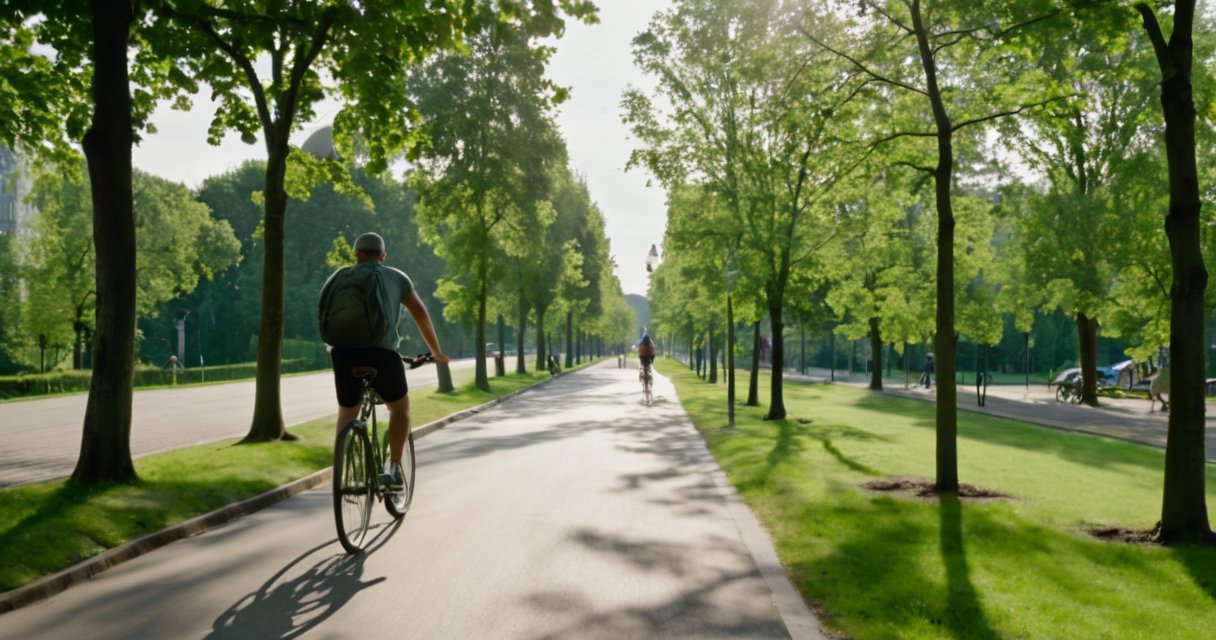
Start by assessing your current commute routine to identify where you can seamlessly integrate more physical activity. For example, parking your car a bit farther away or getting off public transit a stop earlier can introduce intentional movement without drastically altering your schedule. Planning active commute routes featuring green spaces or less traffic can also reduce stress, which positively impacts your energy.
Consider exercise timing carefully. Engaging in physical activity during your commute can serve as a natural energizer to kick-start your day or to counteract mid-afternoon slumps. Morning active commutes are particularly effective for stimulating circulation and boosting mental alertness. If mornings are hectic, a brisk walk or cycling session following work can help you transition smoothly into your evening routine with renewed vitality.
Incorporate consistency into your planning by setting realistic, achievable goals for your active commute. Gradually increasing the intensity or duration will help your body adapt and maintain elevated energy levels. Additionally, tracking your progress and adjusting your routine can keep your commute engaging and aligned with your energy optimization objectives.
Lastly, don’t overlook the importance of proper gear and nutrition as part of your commute planning. Wearing comfortable footwear and weather-appropriate clothing ensures that your active commute is pleasant and sustainable. Pair this with hydration and light, balanced snacks if needed to prevent energy dips during the day. With thoughtful planning active commute strategies, you can transform your daily travel into a key component of your overall energy management plan.
Choosing the Right Mode of Active Transport
When planning your active commuting routine, selecting the right mode of transport can significantly impact both your energy levels and overall health. Each option, whether it’s a walking commute, cycling benefits, or a scooter commute, offers unique advantages that cater to different lifestyles and preferences.
Walking commute remains one of the simplest and most accessible forms of active transport. It effectively boosts cardiovascular health and increases daily step count without the need for special equipment. This low-impact exercise helps improve mood and energy while reducing stress, making it a fantastic choice for short distances.
Cycling benefits extend beyond just physical fitness. This mode of active transport provides a faster way to travel moderate to long distances while engaging in a full-body workout. Regular cycling enhances stamina, strengthens muscles, and improves joint mobility. Additionally, it’s an eco-friendly option that promotes mental well-being through exposure to outdoor environments.
Another emerging option is the scooter commute, which combines fun and practicality. Using an electric or manual scooter can offer a moderate level of physical activity while covering distances quicker than walking. It’s especially convenient for urban settings with flat terrain, making it easier to incorporate active commuting into a busy schedule.
When deciding on mode selection, consider factors such as distance, terrain, fitness level, and available time. Try experimenting with different options to find what energizes you the most and fits seamlessly into your daily routine. Choosing the right mode of active transport not only enhances your commute but also supports long-term health and vitality.
Timing and Duration for Optimal Energy Management
Commute timing plays a crucial role in shaping your daily energy levels and overall productivity. Choosing the right time to integrate physical activity into your commute can set a positive tone for your entire day. Morning activity, in particular, is known to boost alertness and enhance mood, making it an ideal window for active commuting. Starting your day with exercise helps jumpstart your metabolism and increases oxygen flow to the brain, which can improve focus and stamina throughout your work hours.
Exercise duration during your commute also has a significant impact. While a longer active commute can provide more cardiovascular benefits, balancing the length of your exercise with your personal energy requirements is essential. Overexertion early in the morning might lead to fatigue, negatively affecting afternoon productivity. Conversely, a shorter, moderate-intensity activity can boost energy without causing exhaustion. Finding the optimal exercise duration tailored to your fitness level and daily schedule will help sustain consistent energy levels throughout the day.
Adjusting your commute timing to avoid peak traffic hours or stressful conditions can further improve the quality of your active commute. By planning your active commuting during less hectic times, you reduce mental strain and make the experience more enjoyable, positively influencing your energy management. Ultimately, aligning the timing and duration of your active commute with your natural energy rhythms will maximize the benefits on both your physical health and daily productivity.
Preparing for Your Active Commute
Successful commute preparation is the key to enjoying an efficient and energizing active commute. Before you hit the road or trail, taking time to gather the right gear and equipment can make all the difference. Whether you’re cycling, walking, or using any other form of active transport, having the essentials ready will ensure your journey is comfortable and hassle-free.
Start by selecting appropriate clothing that matches the weather and your mode of transport. Breathable, moisture-wicking fabrics help regulate body temperature and keep you dry, while layering allows you to adjust easily throughout the day. If you’re cycling, investing in padded shorts or moisture-control socks can reduce discomfort on longer rides. Don’t forget to bring a lightweight, waterproof jacket in case of unexpected rain, and choose reflective or bright-colored apparel to improve visibility in low-light conditions.
When it comes to gear and equipment, ensure your bicycle or walking shoes are in excellent condition. Check tire pressure, brakes, and lights for cyclists, and opt for supportive footwear with good traction for walkers or runners. Carry essentials such as a helmet for safety, a lock for securing your bike, and a small bag or backpack to hold your belongings. Packing a reusable water bottle and some healthy snacks can keep your energy levels high during your commute.
Safety tips are a critical part of your active commute preparation. Always plan your route ahead of time, favoring bike lanes, pedestrian paths, or less congested streets. Be mindful of traffic laws and signals, use hand signals when turning if biking, and stay alert to your surroundings. Additionally, consider carrying a phone and some form of identification in case of emergencies. Reflective gear or lights should be used during dawn, dusk, or night-time commutes to enhance your visibility to drivers and other pedestrians.
By thoughtfully preparing your commute with the right clothing advice, reliable gear and equipment, and essential safety tips, you’ll set yourself up for an enjoyable and invigorating start to your active lifestyle. With these practical steps, your daily commute will become a seamless extension of your wellness routine rather than a challenge.
Maintaining Motivation and Consistency
Establishing an active commute routine is a powerful step toward boosting your daily energy levels, but the key to long-term success lies in maintaining motivation and consistency. Active commute motivation can fluctuate, especially during bad weather or busy schedules, so having a set of practical strategies to keep you engaged is essential for developing lasting energy habits.

One effective approach to stay motivated is to set achievable goals that align with your lifestyle. These goals could range from increasing your commute distance gradually to incorporating different modes of active travel, like walking, cycling, or even skateboarding. Celebrating small milestones reinforces your commitment and makes it easier to sustain your energy routine over time.
Consistency tips should focus on creating a flexible yet structured commute routine. Planning your routes ahead and preparing your gear the night before helps reduce friction in the morning and evening. Additionally, integrating your active commute with your existing daily habits—for example, listening to your favorite podcast or playlist while traveling—can make the experience more enjoyable and something to look forward to.
Another important aspect is tracking your progress. Whether you use a fitness app or a simple journal, monitoring your active commute habits can provide tangible evidence of your energy gains and improvements. This feedback loop helps reinforce positive behavior and highlights the benefits that keep you motivated on days when consistency feels challenging.
Finally, consider building a support system by involving friends, family, or coworkers who share your commitment to active commuting. Group rides or walks not only boost motivation but also add a social element that makes sticking to your commute routine more enjoyable. By applying these strategies, you can turn active commuting into a sustainable practice that enhances your energy and well-being for the long term.

I’m a longtime fitness enthusiast who loves exploring practical habits that boost daily energy and confidence. Sharing simple, science‑backed routines that help men feel their best is what keeps me motivated every day.