

Simple Ways to Feel More Energetic
18/08/2026
You know that 3 p.m. slump when your eyelids feel like sandbags and even coffee tastes like dishwater? Most of us blame it on a bad night’s sleep or too many meetings, but the real culprit is often hiding in plain sight. Experts confirm that minor adjustments to your daily habits can help in avoiding energy slumps without relying on caffeine or naps. For example, drinking 16 ounces of water within 30 minutes of waking jump-starts your metabolism faster than a cup of coffee, and swapping your desk chair for a 10-minute walk every hour can cut afternoon fatigue by nearly 40%. The best part? These fixes don’t require willpower or expensive gadgets, just a willingness to break a few bad habits that drain you without you even noticing.
Morning Power Routine for Busy Men
The first sixty minutes after your alarm goes off set the tone for the next sixteen. Skip the snooze button and instead swing your legs over the edge of the bed within five seconds of waking. This micro-moment of decisiveness prevents the grogginess that comes from drifting back into light sleep. Follow it with a thirty-second burst of cold water on your face; the shock triggers a surge of norepinephrine, a neurotransmitter that sharpens focus and cuts through morning brain fog. Keep a small towel and a bottle of water on your nightstand so you can hydrate immediately, aiming for at least eight ounces. Dehydration starts overnight, and even mild fluid loss can sap energy before you’ve had your first cup of coffee.

Next, move your body for seven minutes. You don’t need a gym membership or a full workout. A sequence of twenty jumping jacks, fifteen push-ups, and ten body-weight squats gets your heart rate up and oxygen flowing to your muscles and brain. If you’re in a hotel room or tight on space, do three rounds of thirty-second planks and twenty mountain climbers. The key is consistency, not intensity. Finish with two minutes of deep breathing, inhaling for four counts, holding for four, and exhaling for six. Adopting simple relaxation techniques can help reduce cortisol levels, preventing that mid-morning fatigue. Keep your phone in another room until this routine is done; checking emails or social media first thing hijacks your focus and drains mental energy before you’ve even left the house.
Fuel your body with a breakfast that balances protein, healthy fats, and fiber. A three-egg scramble with spinach and half an avocado takes less than five minutes to prepare if you chop the veggies the night before. Pair it with a slice of whole-grain toast and a small handful of almonds. This combination stabilizes blood sugar, preventing the mid-morning crash that sends you reaching for sugary snacks. If you’re truly pressed for time, blend a smoothie with Greek yogurt, frozen berries, a scoop of peanut butter, and a handful of kale. Drink it while standing at the counter, but avoid eating on the go. Sitting down for even two minutes to eat mindfully signals to your brain that you’re nourishing yourself, which helps regulate hunger hormones and keeps energy levels steady until lunch.
Optimizing Sleep for Peak Male Performance
Men who want steady energy all day need to treat sleep like a non-negotiable training session, not a luxury. The body repairs muscle tissue, balances hormones, and consolidates memory during deep sleep, and cutting corners here guarantees sluggish mornings and mid-afternoon crashes. Aim for seven to nine hours nightly, but don’t just count hours; track the quality. Wearable devices like Whoop or Oura can show you how much time you spend in slow-wave sleep, the restorative phase that peaks testosterone and growth hormone. If your deep-sleep percentage drops below 20 of total sleep time, you’re leaving recovery on the table. Keep the bedroom at 65 degrees Fahrenheit, use blackout curtains, and ban screens an hour before bed; blue light suppresses melatonin more aggressively in men than in women, delaying sleep onset by up to 45 minutes.
Morning energy starts the night before with a consistent wind-down routine. Stop caffeine by 2 p.m. because its half-life stretches six hours, meaning a 3 p.m. espresso still lingers in your system at 9 p.m. Replace the evening nightcap with magnesium glycinate, 200 to 400 milligrams taken 30 minutes before bed; it quiets the nervous system and reduces nighttime cortisol spikes that fragment sleep. Set a fixed wake-up time, even on weekends, to anchor your circadian rhythm. To enhance focus right after waking, try morning alertness tips like stepping outside for a few minutes of sunlight to reset your body clock. Small tweaks like these add up to deeper sleep, higher daytime energy, and fewer energy crashes by 3 p.m.
Hydration Hacks to Sustain Energy Levels
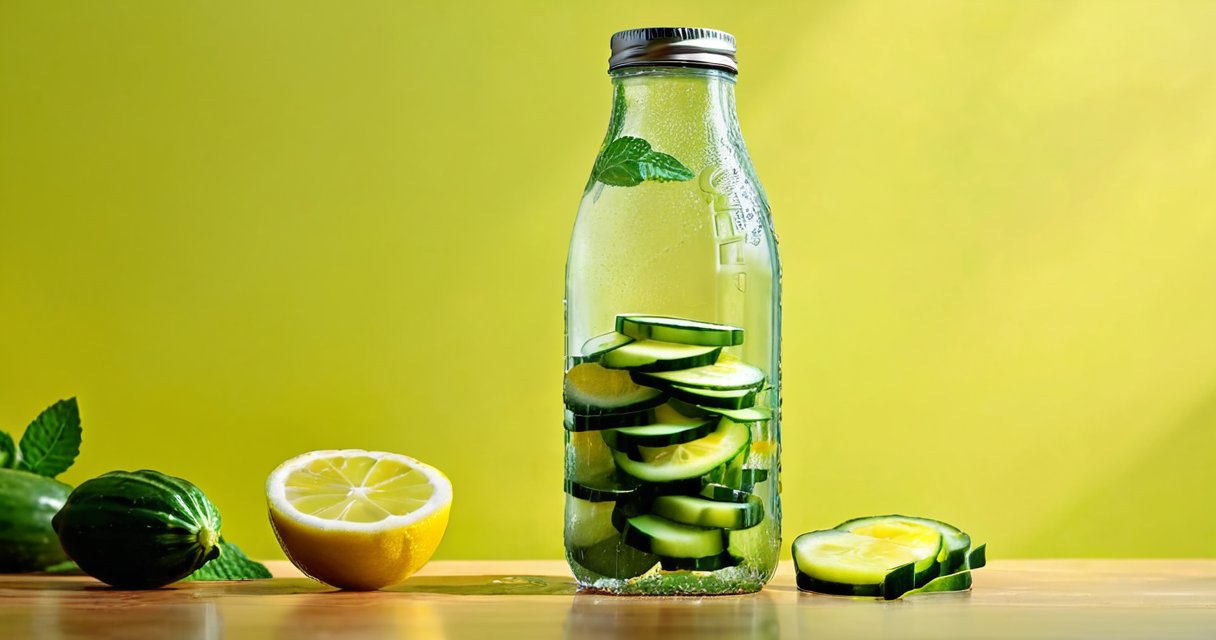
Most people wait until they feel parched before reaching for water, but by then, your body is already running on fumes. Dehydration creeps in long before thirst does, and even a 2% drop in hydration can leave you sluggish, unfocused, and fighting the urge to nap at your desk. For better vitality, focus on hydration tips for energy instead of just drinking more water. Start your day with a 16-ounce glass of water within 30 minutes of waking up. This jumpstarts your metabolism, flushes out overnight toxins, and primes your brain for the day ahead. Keep a marked water bottle on your desk, something with time-based markers like “8 AM,” “10 AM,” and “12 PM”, to visually track your intake without constantly checking your watch. If plain water bores you, infuse it with slices of cucumber, lemon, or mint. These add flavor without sugar crashes, and the act of prepping the bottle makes you more likely to sip consistently.
Timing matters just as much as quantity. Chugging a liter all at once won’t do you any favors; your body can only absorb about 8 to 10 ounces every 20 minutes. Instead, set a recurring phone reminder to take three slow sips every 15 minutes. This steady drip keeps your blood volume stable, preventing the energy rollercoaster that comes with dehydration spikes and crashes. For an extra boost, pair your water with electrolytes if you’re active or prone to sweating. A pinch of sea salt in your water or a sugar-free electrolyte tablet can help your cells retain fluid more effectively than water alone. Skip the sports drinks loaded with sugar; they’ll only leave you more drained an hour later. If you’re someone who forgets to drink, try habit-stacking: every time you stand up to stretch or walk to the printer, take a swig. Small, frequent sips add up, and before you know it, you’ll have hit your daily target without feeling like you’re forcing it.

I’m a longtime fitness enthusiast who loves exploring practical habits that boost daily energy and confidence. Sharing simple, science‑backed routines that help men feel their best is what keeps me motivated every day.