
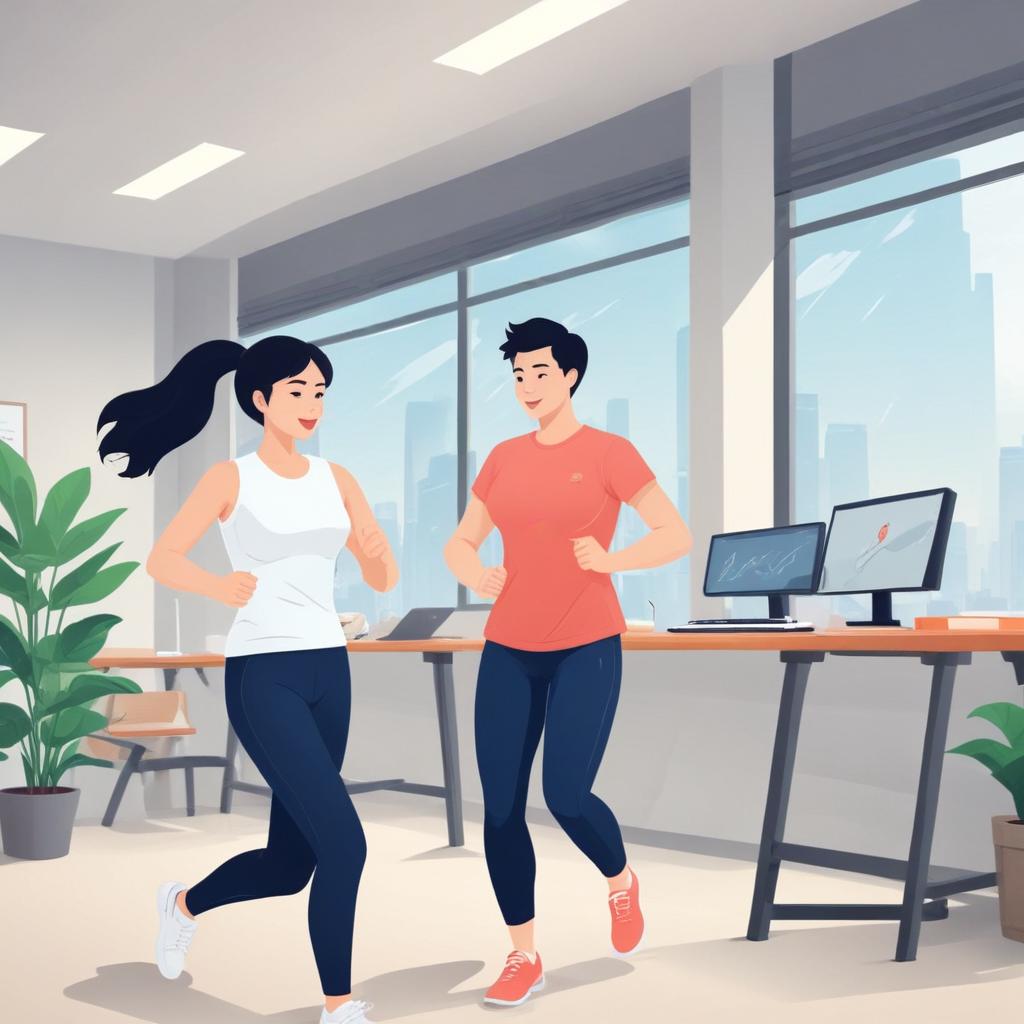
How to stay active during work hours
18/03/2026
Benefits of Staying Active During Work Hours
Incorporating physical activity during work hours offers a multitude of work hours benefits that extend beyond mere fitness. Staying active throughout the day plays a crucial role in improving overall health at work, positively impacting both physical and mental well-being. Research consistently highlights that regular movement can reduce the risk of chronic diseases such as heart disease, diabetes, and obesity by enhancing circulation and promoting better cardiovascular health.
Beyond physical health, staying active during work hours significantly influences mood and mental health. Engaging in brief exercise sessions or even simple stretches can trigger the release of endorphins, the body’s natural mood enhancers. These chemical changes help reduce stress, anxiety, and feelings of fatigue, creating a more positive and energized mental state. Employees who stay active report higher levels of job satisfaction and lower levels of burnout, making it an essential strategy for maintaining mental clarity and emotional resilience throughout the workday.
Productivity is another critical area positively affected by physical activity at work. Numerous studies show that brief bouts of movement can lead to enhanced concentration, creativity, and memory retention. By breaking up long periods of sitting with activity, workers experience improved blood flow to the brain, resulting in sharper focus and faster cognitive processing. This means that regular activity breaks not only help in sustaining energy levels but also support better decision-making and problem-solving skills.
Overall, the benefits of staying active during work hours form a compelling case for integrating movement into daily routines. From boosting health at work to enhancing mood and driving productivity, physical activity is a simple yet powerful tool for contributing to a healthier, happier, and more efficient workplace. Employers and employees alike can benefit from recognizing these advantages and making a conscious effort to stay active throughout their workday.
Physical Health Improvements
Incorporating movement into your work hours is essential for enhancing physical health and combating the negative effects of prolonged sitting. Sedentary behavior can lead to muscle stiffness, poor posture, and decreased circulation, but regular movement helps counteract these issues effectively. By integrating simple activities, such as stretching or short walks, you can significantly reduce fatigue, keeping your energy levels steady throughout the day.
Movement encourages better posture by activating muscles that tend to weaken or slump during long periods of sitting. This not only alleviates back and neck pain but also promotes spinal alignment, helping you maintain a healthy stance that supports your overall wellbeing. Additionally, taking breaks to move boosts blood circulation, ensuring that oxygen and nutrients are efficiently delivered to your muscles and brain, which can improve focus and productivity.
Overall, staying physically active during work hours creates a cycle of health improvements—reducing fatigue, enhancing posture, and promoting circulation. These benefits work together to create a more comfortable and dynamic work environment, where your body feels energized and ready to tackle daily tasks. Prioritizing movement is a practical way to protect your physical health even during a busy work schedule.
Mental and Emotional Benefits
Taking short activity breaks during work hours is essential for maintaining good mental health. These brief pauses help to reduce stress by giving your mind a chance to relax and reset. When you step away from your tasks, you decrease the buildup of tension, which can otherwise lead to burnout and decreased productivity.
In addition to stress relief, regular breaks improve focus. Giving your brain a moment to shift gears enhances your ability to concentrate when you return to work. This cycling between activity and rest helps maintain sustained attention, allowing you to tackle complex tasks with renewed clarity and efficiency.
Moreover, short activity breaks provide a natural energy boost. Physical movement during these intervals increases blood circulation, which invigorates both body and mind. This influx of energy can elevate your overall mood, creating a more positive and productive work environment. Feeling mentally refreshed and emotionally balanced supports a healthier, happier workday experience.
By incorporating regular movement into your routine, you not only support your mental health but also foster an atmosphere conducive to sustained focus and high energy levels. This simple habit can transform how you feel during your work hours, making each day more enjoyable and less stressful.
Practical Ways to Stay Active at Your Desk
Staying active during work hours doesn’t always mean you have to leave your desk. Incorporating simple desk exercises, adjusting your posture, and taking short active breaks can significantly boost your energy and focus without disrupting your workflow. Here are some practical tips to help you integrate more office movement right at your work station.
Start by paying attention to your posture. Sit upright with your shoulders relaxed and feet flat on the floor. Adjust your chair and desk height to maintain a 90-degree angle at your knees and elbows. Proper posture reduces strain and encourages better circulation, making your body ready for light movement.
Next, try some gentle stretches right at your desk. Neck rolls, shoulder shrugs, and wrist stretches are easy to perform and relieve tension from long hours of typing. Simple movements like seated spinal twists or leg extensions can also engage your muscles and improve blood flow.
Incorporate mini active breaks every hour. Stand up and stretch your arms overhead or walk in place for a minute or two. Even small movements, like tapping your feet or shifting your weight side to side while seated, increase your heart rate slightly and prevent stiffness.
To make it easier to remember, set a timer or use apps designed to prompt you to move regularly. Position your work station so you can freely perform these movements without feeling cramped or restricted. By weaving these practices into your daily routine, you’ll stay more engaged and energized throughout the day, all without leaving your desk.
Simple Desk Exercises and Stretches
Staying active during work hours doesn’t have to mean leaving your desk. Incorporating simple desk stretches and seated exercises can make a big difference in your comfort and energy levels. These discreet movements not only help reduce stiffness but also improve circulation and focus.
Start with gentle neck stretches. Slowly roll your head in a circle, first clockwise, then counterclockwise, to relieve tension. This simple exercise can be done subtly and helps alleviate tightness from long periods of sitting and screen time.
Wrist stretches are essential for those spending hours typing or using a mouse. Extend one arm in front with the palm facing up, then gently pull back on the fingers with the opposite hand. Switch sides after 15-20 seconds. These stretches can prevent discomfort and repetitive strain injuries.
Seated leg lifts are an excellent way to engage your lower body without standing up. While sitting, slowly lift one leg straight out and hold for a few seconds before lowering it back down. Repeat with the other leg. This helps strengthen your leg muscles and encourages blood flow.
Incorporating these desk stretches and seated exercises throughout your workday is a simple way to stay active and maintain well-being without disrupting your workflow. Try to practice them every hour for best results.
Using Standing Desks and Movement Tools
Standing desks have become a popular ergonomic tool in active workstations, offering numerous health benefits for those looking to stay active during work hours. By allowing you to alternate between sitting and standing, these desks help reduce the negative effects of prolonged sitting, such as poor posture and decreased circulation. Using a standing desk encourages more movement and can improve energy levels and focus throughout the day.
To further enhance activity while working, incorporating tools like balance boards can be highly effective. Balance boards promote subtle movements and engage core muscles, helping to improve balance and posture. This added movement helps burn more calories compared to sitting still and reduces the risk of stiffness and discomfort often associated with desk jobs.
Ergonomic tools designed for active workstations, such as anti-fatigue mats and adjustable desks, complement the use of balance boards and standing desks by providing comfort and support. These tools make it easier to maintain an active posture for extended periods, encouraging small but consistent movements that benefit overall health. By integrating standing desks and movement tools into your workspace, you can transform your work hours into an opportunity for increased physical activity and improved well-being.
Incorporating Movement Into Your Work Routine
Incorporating movement into your daily work routine is essential for maintaining both physical health and mental clarity. Structuring your schedule to include regular active breaks and walking opportunities not only boosts productivity but also helps to mitigate the negative effects of prolonged sitting. Effective time management plays a pivotal role in ensuring these movement breaks are prioritized throughout the workday.
Start by assessing your typical work hours and identifying natural break points where short bursts of activity can fit seamlessly. For instance, consider setting a movement schedule that involves standing up and stretching or walking for five minutes every hour. These active breaks can help energize your body, improve circulation, and refresh your focus, making it easier to tackle tasks with renewed vigor.
Utilize tools like alarms or calendar reminders to prompt these breaks, ensuring consistency without disrupting workflow. Integrating walking meetings or short strolls during calls or brainstorming sessions is another excellent way to combine work tasks with movement. This approach not only keeps you physically engaged but also encourages creative thinking by changing your environment.
Time management techniques such as the Pomodoro method can be adapted to foster a movement schedule that aligns with your work habits. For example, after every 25 minutes of focused work, take a five-minute walk or do light exercises. This blend of concentrated effort and active breaks enhances concentration, reduces fatigue, and contributes to better overall well-being during work hours.
Remember, consistency is key when incorporating movement into your work routine. Even small changes, like standing up while reading emails or pacing while on the phone, accumulate over time to produce substantial health benefits. By making active breaks a natural part of your daily schedule, you create a balanced work routine that supports both your professional goals and physical health.
Scheduling Regular Active Breaks
Incorporating regular active breaks into your workday is essential for maintaining both physical and mental well-being. One effective strategy is to use break reminders—these can be set up as alarms or notifications on your computer or smartphone to prompt you to get moving at scheduled intervals. Tools like activity alarms help make these breaks automatic rather than relying on memory alone, ensuring consistent movement throughout your work hours.
The Pomodoro technique is a popular method to integrate these active breaks efficiently. This technique involves working in focused intervals, typically 25 minutes, followed by a short break of 5 minutes. During each short break, you can stand up, stretch, or perform light exercises. After completing four such cycles, a longer break of around 15-30 minutes is encouraged, which can be used for more extended physical activity. Using Pomodoro timers that include built-in break scheduling simplifies this process and helps maintain balance and productivity.
Additionally, customizing your break reminders based on your workflow and personal preferences can improve adherence to this practice. Some people find benefit in setting alarms to stand and stretch every hour, while others prefer shorter, more frequent breaks aligned with their task completion. Experimenting with different lengths and types of activity during these scheduled breaks can help determine what keeps you energized and focused most effectively.
Overall, routine break scheduling combined with techniques like Pomodoro and effective use of break reminders ensures you remain active, reduces sedentary time, and boosts overall productivity during work hours.
Maximizing Movement During Meetings and Calls
Incorporating movement into your workday can be challenging, especially during meetings and calls. However, with a few simple strategies, you can increase your daily movement without sacrificing productivity. One effective method is to suggest walking meetings whenever possible. Instead of sitting in a conference room or at your desk, take advantage of phone or virtual meetings by walking indoors or outdoors. This not only helps you stay active but can also boost creativity and focus.
Another tip is to turn traditional calls into standing calls. Use a standing desk or simply stand near your workspace when attending virtual meetings or phone calls. Standing calls can improve posture, reduce the strain of sitting for extended periods, and keep your energy levels up throughout the day.
Active multitasking is also a great way to integrate movement while working. For example, you can perform light stretching, calf raises, or even gentle pacing during discussions that do not require you to be at your computer. This approach keeps your blood flowing and breaks the monotony of sitting still.
By consciously incorporating walking meetings, standing calls, and active multitasking into your daily routine, you create opportunities for movement while working, ultimately contributing to better physical health and increased productivity.

I’m a longtime fitness enthusiast who loves exploring practical habits that boost daily energy and confidence. Sharing simple, science‑backed routines that help men feel their best is what keeps me motivated every day.