
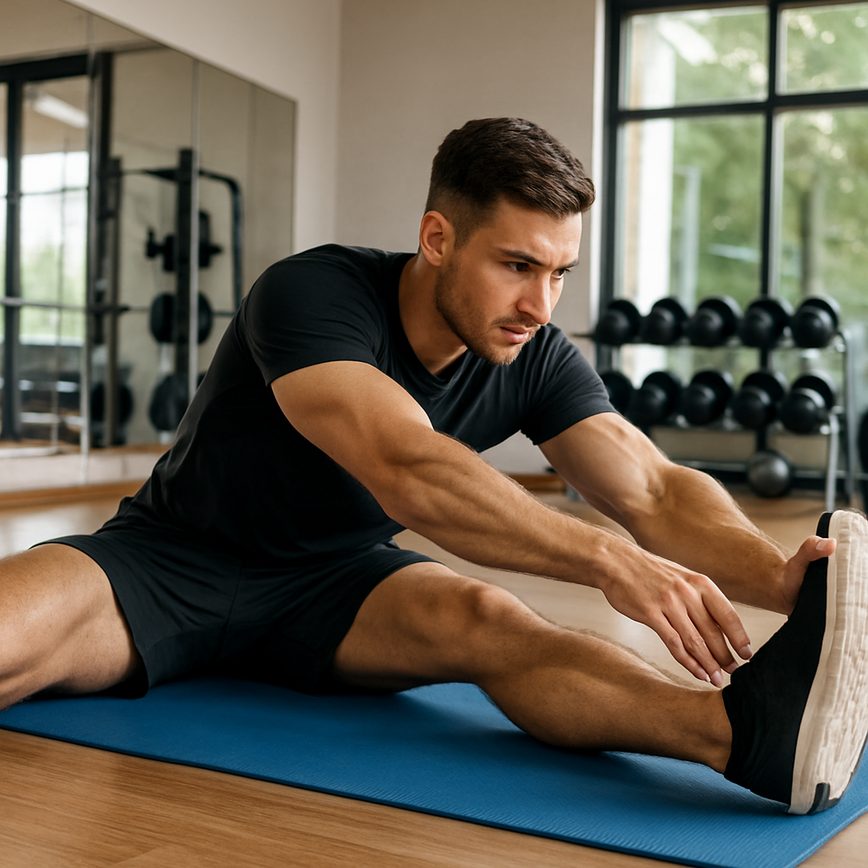
Many men also overlook the importance of warming up before starting mobility routines. Skipping warm-ups can cause muscle stiffness and increase susceptibility to strains. A proper warm-up prepares the body for movement and enhances exercise form.

Additionally, trying to push beyond your current flexibility limits without gradual progression can lead to injury. It is essential to listen to your body and avoid forcing movements that cause pain or discomfort. Consistency and patience are key to safe and effective mobility training.

By focusing on correct exercise form, controlling movement speed, warming up adequately, and progressing gradually, men can avoid these common mistakes. These steps will help maximize the benefits of mobility exercises while prioritizing injury prevention for long-term wellness.

Another mistake is rushing through exercises without controlled movements. Mobility workouts require slow, deliberate motions to improve range of motion and joint health. Speeding up the exercises decreases their effectiveness and may lead to muscle imbalances or injury.

Many men also overlook the importance of warming up before starting mobility routines. Skipping warm-ups can cause muscle stiffness and increase susceptibility to strains. A proper warm-up prepares the body for movement and enhances exercise form.

Additionally, trying to push beyond your current flexibility limits without gradual progression can lead to injury. It is essential to listen to your body and avoid forcing movements that cause pain or discomfort. Consistency and patience are key to safe and effective mobility training.

By focusing on correct exercise form, controlling movement speed, warming up adequately, and progressing gradually, men can avoid these common mistakes. These steps will help maximize the benefits of mobility exercises while prioritizing injury prevention for long-term wellness.

Another mistake is rushing through exercises without controlled movements. Mobility workouts require slow, deliberate motions to improve range of motion and joint health. Speeding up the exercises decreases their effectiveness and may lead to muscle imbalances or injury.

Many men also overlook the importance of warming up before starting mobility routines. Skipping warm-ups can cause muscle stiffness and increase susceptibility to strains. A proper warm-up prepares the body for movement and enhances exercise form.

Additionally, trying to push beyond your current flexibility limits without gradual progression can lead to injury. It is essential to listen to your body and avoid forcing movements that cause pain or discomfort. Consistency and patience are key to safe and effective mobility training.

By focusing on correct exercise form, controlling movement speed, warming up adequately, and progressing gradually, men can avoid these common mistakes. These steps will help maximize the benefits of mobility exercises while prioritizing injury prevention for long-term wellness.

Importance of Mobility Exercises for Men

Mobility exercises play a vital role in men’s health by enhancing flexibility and promoting overall joint health. Unlike simple stretches, these exercises focus on improving the range of motion and function of the joints, which is essential for maintaining an active and injury-free lifestyle. Regular incorporation of mobility exercises into fitness routines can drastically reduce the risk of injuries commonly associated with men’s physical activities and daily movements.

One of the most significant benefits of mobility exercises is injury prevention. Men often engage in high-intensity workouts, sports, or physically demanding tasks that place stress on muscles and joints. Without proper mobility, joints become stiff and muscles less responsive, increasing the likelihood of strains, sprains, and other injuries. Mobility exercises gently train the muscles and joints to move effectively within their full range, providing better support and reducing wear and tear.

Improved performance is another advantage of consistent mobility work. Whether lifting weights, running, or practicing sports, the ability to move joints freely and efficiently can enhance power, speed, and precision. Increased joint flexibility allows men to perform complex movements with better form and less fatigue. This can translate to more productive training sessions and improved athletic achievements.

Additionally, mobility exercises contribute significantly to joint health. Healthy joints are key to maintaining an active lifestyle as they minimize stiffness and discomfort while supporting smooth movements. Over time, mobility routines help lubricate the joints through synovial fluid activation and stimulate the muscles around the joint to keep them strong and stable. This is particularly important as men age and natural joint degeneration becomes a concern.

Incorporating mobility exercises into daily or weekly fitness schedules offers long-term benefits that extend beyond physical activity. Enhanced flexibility benefits men’s overall well-being by improving posture, balance, and coordination. As a holistic approach to men’s health, focusing on mobility not only supports current fitness goals but also fosters enduring joint health and injury resilience, making it an indispensable part of any effective exercise regimen.

Benefits of Improved Mobility

Improved mobility offers numerous benefits for men, significantly enhancing their overall physical function and quality of life. One of the key advantages is an increased range of motion, which allows for more fluid and efficient movement in daily activities as well as athletic performance. With better mobility, men can engage more effectively in sports and physical exercises, experiencing greater agility, speed, and power. This heightened physical ability often leads to improved endurance and reduced fatigue during workouts or physical tasks.

Besides boosting performance, improved mobility plays a crucial role in injury prevention. When the body’s joints and muscles operate within their optimal range of motion, there is less strain on tendons, ligaments, and muscles. This reduces the likelihood of injuries such as strains, sprains, and joint damage that commonly occur due to stiffness or restricted movement. Enhanced mobility also promotes better posture and balance, further decreasing the risk of falls or accidents that can lead to injuries.

Moreover, improved mobility supports long-term physical function by maintaining joint health and muscle elasticity. This is especially important as men age, helping to preserve independence and physical activity levels. Overall, the benefits of improved mobility encompass enhanced athletic performance, injury prevention, and sustained physical function, making it a vital focus for health and fitness routines.

Common Mobility Challenges in Men

Men often encounter several mobility challenges as they age, which can impact their overall quality of life. One of the primary issues is muscle stiffness, which tends to increase due to a decrease in physical activity and the natural aging process. Sedentary lifestyles, common in today’s world, further exacerbate this problem by reducing flexibility and weakening muscles that are vital for smooth movement.

Joint restrictions are another significant mobility challenge faced by men. These restrictions often develop from repetitive stress, poor posture, or injuries that never fully healed, limiting the range of motion and causing discomfort. Over time, these joint issues can worsen if not addressed through proper exercise and rehabilitation routines.

Age-related mobility decline is inevitable but can be managed with the right approach. Muscle imbalances, where certain muscle groups are stronger or tighter than others, also contribute to reduced mobility. Such imbalances can lead to improper movement patterns and an increased risk of injury. Addressing these imbalances through targeted mobility exercises is crucial for restoring functional movement and enhancing overall mobility.

Understanding these common mobility challenges in men, including muscle stiffness, joint restrictions, and age-related decline, is essential to developing effective strategies for improving movement and maintaining an active lifestyle.

Top Mobility Exercises for Men

Improving joint mobility and flexibility is essential for men’s workouts to prevent injuries, enhance performance, and maintain overall well-being. Incorporating targeted mobility exercises can lead to better movement patterns and increased range of motion. Here is a detailed list of the best mobility exercises specifically tailored for men, focusing on flexibility training and joint mobility.

  • Hip Circles: Stand on one leg and move the opposite leg in slow, controlled circular motions. This exercise enhances hip joint mobility, which is crucial for men who engage in weightlifting or running.
  • World’s Greatest Stretch: A dynamic stretch that combines a deep lunge with spinal rotation and hamstring stretch. This movement improves flexibility of the hips, thoracic spine, and hamstrings, ideal for men looking to enhance full-body mobility.
  • Scapular Push-Ups: Unlike regular push-ups, this exercise focuses on moving the shoulder blades toward and away from the spine. It strengthens the scapular muscles and improves shoulder joint mobility, supporting better posture and upper body strength.
  • Thoracic Spine Rotations: Performed on all fours, twisting your upper body side to side with control. This exercise enhances spinal flexibility and helps reduce stiffness, which is beneficial for men who sit for long periods.
  • Deep Squat Hold with Heel Raise: Squat down as low as possible while keeping your heels on the ground. Adding a heel raise within this position targets ankle mobility, essential for stability and power in men’s workouts.
  • Dynamic Shoulder Circles: Continuously rotate your shoulders in large circles to loosen up the shoulder joints. This simple yet effective exercise improves joint mobility and reduces the risk of shoulder injuries.
  • Lunge with Overhead Reach: Step into a forward lunge while reaching both arms overhead. This movement stretches hip flexors, opens the chest, and enhances coordination, making it perfect for comprehensive flexibility training.
  • Hamstring Flossing: Sitting on the floor, extend one leg and actively flex and point the foot while reaching towards your toes. This exercise improves hamstring flexibility and lengthens connective tissue, increasing joint range of motion.

Integrating these mobility exercises into men’s workouts will support joint health and flexibility, prevent stiffness, and improve overall athletic performance. Consistent flexibility training tailored to men’s needs ensures a more functional and balanced body, empowering you to perform daily activities and workouts with ease.

Dynamic Stretching Routines

Dynamic stretching is a vital component of any effective warm-up routine, especially for men aiming to enhance their workout performance. Unlike static stretching, dynamic stretching involves active movements that increase blood flow and elevate the heart rate, preparing the body for more intense physical activity. Incorporating dynamic stretches as part of your warm-up exercises can significantly improve joint mobility and overall flexibility.

Some popular mobility drills to include in your dynamic stretching routine are leg swings, arm circles, walking lunges, and torso twists. These active stretching movements target major muscle groups and joints, promoting fluid motion and preventing stiffness. By moving through a full range of motion, dynamic stretching wakes up the nervous system and primes muscles for better engagement during exercise.

Start your dynamic stretching routine with low-intensity movements and gradually increase the speed and range of motion. This gradual progression ensures that your muscles warm up properly without the risk of injury. Dynamic stretches not only improve flexibility but also boost circulation, delivering more oxygen to working muscles. This enhanced blood flow supports muscle endurance and recovery during and after workouts.

Incorporating dynamic stretching into your pre-workout mobility drills can help men reduce muscle tightness, increase agility, and improve overall workout efficiency. Make these active stretching exercises a consistent part of your fitness regimen to experience better joint health and optimal physical performance.

Hip and Shoulder Mobility Exercises

Improving hip mobility and shoulder mobility is essential for men looking to enhance joint rotation, increase range of motion, and reduce pain. Targeted exercises focusing on these key areas can significantly boost stability and flexibility, which are crucial for everyday movements and athletic performance.

One effective exercise for hip mobility is the deep hip flexor stretch. Start in a lunge position with one leg forward and the other extended back. Sink your hips down toward the floor while keeping your torso upright. This stretch opens up the hip joint, improving flexibility and promoting greater range of motion.

For shoulder mobility, try the shoulder pass-through exercise. Using a resistance band or a broomstick, hold it with a wide grip and slowly raise it over your head and behind your back, then return to the front. This movement encourages joint rotation and increases shoulder flexibility, which helps reduce stiffness and discomfort.

Incorporating exercises like hip circles and shoulder rolls can also enhance stability by warming up the joints and improving circulation. Regular practice of these movements supports pain-free motion and contributes to overall joint health for men seeking to maintain an active lifestyle.

Foam Rolling and Myofascial Release

Foam rolling and myofascial release are powerful self-massage techniques that significantly contribute to mobility improvement. By targeting tight muscles and fascia, foam rolling helps release built-up tension and knots that restrict your range of motion. This process allows muscles to relax more fully, leading to enhanced flexibility and reduced stiffness.

Incorporating foam rolling into your routine accelerates muscle recovery after intense workouts by promoting blood flow to the affected areas. This increased circulation supplies essential nutrients and removes metabolic waste, which helps reduce soreness and speeds up healing. As a result, you can maintain your workout frequency and intensity without the setback of prolonged muscle tightness or discomfort.

Myofascial release complements foam rolling by focusing on loosening the connective tissue surrounding muscles, known as fascia. When this tissue becomes tight or restricted, it can limit joint mobility and contribute to discomfort. Using targeted pressure through rollers or massage balls, myofascial release breaks down adhesions within the fascia, restoring smooth movement and improving overall muscle function.

Regular practice of foam rolling and myofascial release not only aids in muscle recovery but also creates long-term benefits for joint health and movement quality. By integrating these techniques into your fitness regimen, you can achieve better mobility, reduce injury risk, and enhance your physical performance.

Tips for Incorporating Mobility Exercises into Your Routine

Incorporating a mobility routine into your daily or weekly fitness plans is essential for maintaining flexibility, preventing injuries, and enhancing overall physical performance. For men looking to improve their movement and joint health, consistency and smart exercise tips can make all the difference.

First, prioritize setting a specific time for mobility exercises, whether it’s a short session in the morning, during your workout warm-up, or as part of your cool-down. Making mobility exercises a non-negotiable part of your schedule helps build consistency and turns it into a lasting habit.

To stay motivated, focus on progress tracking. Use a journal, app, or digital calendar to record your mobility exercises, noting improvements or challenges. This feedback loop provides a sense of achievement and helps you adjust the routine to suit your evolving needs.

Another practical exercise tip is to start within your comfort zone and gradually increase the duration and intensity of your mobility exercises. Avoid rushing or forcing movements that feel uncomfortable, and instead let your body adapt naturally over time. Remember, quality movement beats quantity every time.

Integrating mobility exercises into other activities can also enhance consistency. For instance, incorporate stretches while watching TV, during work breaks, or in between sets at the gym. This approach makes it easier to stick to your mobility routine without needing extra time carved out of your day.

Lastly, consider mixing different types of mobility exercises to keep your routine engaging and comprehensive. Combining dynamic stretches, foam rolling, and yoga poses can target various muscle groups and prevent monotony, fueling your desire to maintain a consistent practice.

By following these practical tips—dedicating time, tracking progress, starting slow, integrating exercises into daily life, and diversifying your routine—you’ll create a sustainable mobility routine that supports your long-term health and fitness goals.

Setting Realistic Goals

When it comes to mobility improvement, goal setting is crucial for staying motivated and achieving lasting results. Start by defining clear, achievable fitness goals that focus on specific areas of your mobility, such as flexibility, joint range of motion, or balance. Setting realistic goals ensures you won’t become discouraged or overwhelmed, enabling steady progress over time.

Begin with small, attainable milestones that align with your current capabilities. For example, if you struggle with hip flexibility, a realistic goal might be to increase your hip range of motion by a few degrees within a month. This focused approach prevents burnout and fosters consistent improvement.

Effective progress tracking is also essential. Keep a journal or use an app to document your workouts, noting improvements in flexibility, strength, and endurance. Regularly revisiting your goals allows you to celebrate achievements and adjust your plan as needed, keeping your mobility journey dynamic and motivating.

Remember, the key to successful mobility improvement is patience and persistence. By setting realistic fitness goals and consistently tracking progress, you lay a solid foundation for long-term success and enhanced overall movement capability.

Common Mistakes to Avoid

When performing mobility exercises, men often make several common mistakes that can compromise the effectiveness of their workouts and increase the risk of injury. One frequent error is neglecting proper exercise form. Incorrect posture or movement patterns not only reduce the benefits of mobility exercises but can also strain muscles and joints.

Another mistake is rushing through exercises without controlled movements. Mobility workouts require slow, deliberate motions to improve range of motion and joint health. Speeding up the exercises decreases their effectiveness and may lead to muscle imbalances or injury.

Many men also overlook the importance of warming up before starting mobility routines. Skipping warm-ups can cause muscle stiffness and increase susceptibility to strains. A proper warm-up prepares the body for movement and enhances exercise form.

Additionally, trying to push beyond your current flexibility limits without gradual progression can lead to injury. It is essential to listen to your body and avoid forcing movements that cause pain or discomfort. Consistency and patience are key to safe and effective mobility training.

By focusing on correct exercise form, controlling movement speed, warming up adequately, and progressing gradually, men can avoid these common mistakes. These steps will help maximize the benefits of mobility exercises while prioritizing injury prevention for long-term wellness.

Another mistake is rushing through exercises without controlled movements. Mobility workouts require slow, deliberate motions to improve range of motion and joint health. Speeding up the exercises decreases their effectiveness and may lead to muscle imbalances or injury.

Many men also overlook the importance of warming up before starting mobility routines. Skipping warm-ups can cause muscle stiffness and increase susceptibility to strains. A proper warm-up prepares the body for movement and enhances exercise form.

Additionally, trying to push beyond your current flexibility limits without gradual progression can lead to injury. It is essential to listen to your body and avoid forcing movements that cause pain or discomfort. Consistency and patience are key to safe and effective mobility training.

By focusing on correct exercise form, controlling movement speed, warming up adequately, and progressing gradually, men can avoid these common mistakes. These steps will help maximize the benefits of mobility exercises while prioritizing injury prevention for long-term wellness.

Importance of Mobility Exercises for Men

Mobility exercises play a vital role in men’s health by enhancing flexibility and promoting overall joint health. Unlike simple stretches, these exercises focus on improving the range of motion and function of the joints, which is essential for maintaining an active and injury-free lifestyle. Regular incorporation of mobility exercises into fitness routines can drastically reduce the risk of injuries commonly associated with men’s physical activities and daily movements.

One of the most significant benefits of mobility exercises is injury prevention. Men often engage in high-intensity workouts, sports, or physically demanding tasks that place stress on muscles and joints. Without proper mobility, joints become stiff and muscles less responsive, increasing the likelihood of strains, sprains, and other injuries. Mobility exercises gently train the muscles and joints to move effectively within their full range, providing better support and reducing wear and tear.

Improved performance is another advantage of consistent mobility work. Whether lifting weights, running, or practicing sports, the ability to move joints freely and efficiently can enhance power, speed, and precision. Increased joint flexibility allows men to perform complex movements with better form and less fatigue. This can translate to more productive training sessions and improved athletic achievements.

Additionally, mobility exercises contribute significantly to joint health. Healthy joints are key to maintaining an active lifestyle as they minimize stiffness and discomfort while supporting smooth movements. Over time, mobility routines help lubricate the joints through synovial fluid activation and stimulate the muscles around the joint to keep them strong and stable. This is particularly important as men age and natural joint degeneration becomes a concern.

Incorporating mobility exercises into daily or weekly fitness schedules offers long-term benefits that extend beyond physical activity. Enhanced flexibility benefits men’s overall well-being by improving posture, balance, and coordination. As a holistic approach to men’s health, focusing on mobility not only supports current fitness goals but also fosters enduring joint health and injury resilience, making it an indispensable part of any effective exercise regimen.

Benefits of Improved Mobility

Improved mobility offers numerous benefits for men, significantly enhancing their overall physical function and quality of life. One of the key advantages is an increased range of motion, which allows for more fluid and efficient movement in daily activities as well as athletic performance. With better mobility, men can engage more effectively in sports and physical exercises, experiencing greater agility, speed, and power. This heightened physical ability often leads to improved endurance and reduced fatigue during workouts or physical tasks.

Besides boosting performance, improved mobility plays a crucial role in injury prevention. When the body’s joints and muscles operate within their optimal range of motion, there is less strain on tendons, ligaments, and muscles. This reduces the likelihood of injuries such as strains, sprains, and joint damage that commonly occur due to stiffness or restricted movement. Enhanced mobility also promotes better posture and balance, further decreasing the risk of falls or accidents that can lead to injuries.

Moreover, improved mobility supports long-term physical function by maintaining joint health and muscle elasticity. This is especially important as men age, helping to preserve independence and physical activity levels. Overall, the benefits of improved mobility encompass enhanced athletic performance, injury prevention, and sustained physical function, making it a vital focus for health and fitness routines.

Common Mobility Challenges in Men

Men often encounter several mobility challenges as they age, which can impact their overall quality of life. One of the primary issues is muscle stiffness, which tends to increase due to a decrease in physical activity and the natural aging process. Sedentary lifestyles, common in today’s world, further exacerbate this problem by reducing flexibility and weakening muscles that are vital for smooth movement.

Joint restrictions are another significant mobility challenge faced by men. These restrictions often develop from repetitive stress, poor posture, or injuries that never fully healed, limiting the range of motion and causing discomfort. Over time, these joint issues can worsen if not addressed through proper exercise and rehabilitation routines.

Age-related mobility decline is inevitable but can be managed with the right approach. Muscle imbalances, where certain muscle groups are stronger or tighter than others, also contribute to reduced mobility. Such imbalances can lead to improper movement patterns and an increased risk of injury. Addressing these imbalances through targeted mobility exercises is crucial for restoring functional movement and enhancing overall mobility.

Understanding these common mobility challenges in men, including muscle stiffness, joint restrictions, and age-related decline, is essential to developing effective strategies for improving movement and maintaining an active lifestyle.

Top Mobility Exercises for Men

Improving joint mobility and flexibility is essential for men’s workouts to prevent injuries, enhance performance, and maintain overall well-being. Incorporating targeted mobility exercises can lead to better movement patterns and increased range of motion. Here is a detailed list of the best mobility exercises specifically tailored for men, focusing on flexibility training and joint mobility.

  • Hip Circles: Stand on one leg and move the opposite leg in slow, controlled circular motions. This exercise enhances hip joint mobility, which is crucial for men who engage in weightlifting or running.
  • World’s Greatest Stretch: A dynamic stretch that combines a deep lunge with spinal rotation and hamstring stretch. This movement improves flexibility of the hips, thoracic spine, and hamstrings, ideal for men looking to enhance full-body mobility.
  • Scapular Push-Ups: Unlike regular push-ups, this exercise focuses on moving the shoulder blades toward and away from the spine. It strengthens the scapular muscles and improves shoulder joint mobility, supporting better posture and upper body strength.
  • Thoracic Spine Rotations: Performed on all fours, twisting your upper body side to side with control. This exercise enhances spinal flexibility and helps reduce stiffness, which is beneficial for men who sit for long periods.
  • Deep Squat Hold with Heel Raise: Squat down as low as possible while keeping your heels on the ground. Adding a heel raise within this position targets ankle mobility, essential for stability and power in men’s workouts.
  • Dynamic Shoulder Circles: Continuously rotate your shoulders in large circles to loosen up the shoulder joints. This simple yet effective exercise improves joint mobility and reduces the risk of shoulder injuries.
  • Lunge with Overhead Reach: Step into a forward lunge while reaching both arms overhead. This movement stretches hip flexors, opens the chest, and enhances coordination, making it perfect for comprehensive flexibility training.
  • Hamstring Flossing: Sitting on the floor, extend one leg and actively flex and point the foot while reaching towards your toes. This exercise improves hamstring flexibility and lengthens connective tissue, increasing joint range of motion.

Integrating these mobility exercises into men’s workouts will support joint health and flexibility, prevent stiffness, and improve overall athletic performance. Consistent flexibility training tailored to men’s needs ensures a more functional and balanced body, empowering you to perform daily activities and workouts with ease.

Dynamic Stretching Routines

Dynamic stretching is a vital component of any effective warm-up routine, especially for men aiming to enhance their workout performance. Unlike static stretching, dynamic stretching involves active movements that increase blood flow and elevate the heart rate, preparing the body for more intense physical activity. Incorporating dynamic stretches as part of your warm-up exercises can significantly improve joint mobility and overall flexibility.

Some popular mobility drills to include in your dynamic stretching routine are leg swings, arm circles, walking lunges, and torso twists. These active stretching movements target major muscle groups and joints, promoting fluid motion and preventing stiffness. By moving through a full range of motion, dynamic stretching wakes up the nervous system and primes muscles for better engagement during exercise.

Start your dynamic stretching routine with low-intensity movements and gradually increase the speed and range of motion. This gradual progression ensures that your muscles warm up properly without the risk of injury. Dynamic stretches not only improve flexibility but also boost circulation, delivering more oxygen to working muscles. This enhanced blood flow supports muscle endurance and recovery during and after workouts.

Incorporating dynamic stretching into your pre-workout mobility drills can help men reduce muscle tightness, increase agility, and improve overall workout efficiency. Make these active stretching exercises a consistent part of your fitness regimen to experience better joint health and optimal physical performance.

Hip and Shoulder Mobility Exercises

Improving hip mobility and shoulder mobility is essential for men looking to enhance joint rotation, increase range of motion, and reduce pain. Targeted exercises focusing on these key areas can significantly boost stability and flexibility, which are crucial for everyday movements and athletic performance.

One effective exercise for hip mobility is the deep hip flexor stretch. Start in a lunge position with one leg forward and the other extended back. Sink your hips down toward the floor while keeping your torso upright. This stretch opens up the hip joint, improving flexibility and promoting greater range of motion.

For shoulder mobility, try the shoulder pass-through exercise. Using a resistance band or a broomstick, hold it with a wide grip and slowly raise it over your head and behind your back, then return to the front. This movement encourages joint rotation and increases shoulder flexibility, which helps reduce stiffness and discomfort.

Incorporating exercises like hip circles and shoulder rolls can also enhance stability by warming up the joints and improving circulation. Regular practice of these movements supports pain-free motion and contributes to overall joint health for men seeking to maintain an active lifestyle.

Foam Rolling and Myofascial Release

Foam rolling and myofascial release are powerful self-massage techniques that significantly contribute to mobility improvement. By targeting tight muscles and fascia, foam rolling helps release built-up tension and knots that restrict your range of motion. This process allows muscles to relax more fully, leading to enhanced flexibility and reduced stiffness.

Incorporating foam rolling into your routine accelerates muscle recovery after intense workouts by promoting blood flow to the affected areas. This increased circulation supplies essential nutrients and removes metabolic waste, which helps reduce soreness and speeds up healing. As a result, you can maintain your workout frequency and intensity without the setback of prolonged muscle tightness or discomfort.

Myofascial release complements foam rolling by focusing on loosening the connective tissue surrounding muscles, known as fascia. When this tissue becomes tight or restricted, it can limit joint mobility and contribute to discomfort. Using targeted pressure through rollers or massage balls, myofascial release breaks down adhesions within the fascia, restoring smooth movement and improving overall muscle function.

Regular practice of foam rolling and myofascial release not only aids in muscle recovery but also creates long-term benefits for joint health and movement quality. By integrating these techniques into your fitness regimen, you can achieve better mobility, reduce injury risk, and enhance your physical performance.

Tips for Incorporating Mobility Exercises into Your Routine

Incorporating a mobility routine into your daily or weekly fitness plans is essential for maintaining flexibility, preventing injuries, and enhancing overall physical performance. For men looking to improve their movement and joint health, consistency and smart exercise tips can make all the difference.

First, prioritize setting a specific time for mobility exercises, whether it’s a short session in the morning, during your workout warm-up, or as part of your cool-down. Making mobility exercises a non-negotiable part of your schedule helps build consistency and turns it into a lasting habit.

To stay motivated, focus on progress tracking. Use a journal, app, or digital calendar to record your mobility exercises, noting improvements or challenges. This feedback loop provides a sense of achievement and helps you adjust the routine to suit your evolving needs.

Another practical exercise tip is to start within your comfort zone and gradually increase the duration and intensity of your mobility exercises. Avoid rushing or forcing movements that feel uncomfortable, and instead let your body adapt naturally over time. Remember, quality movement beats quantity every time.

Integrating mobility exercises into other activities can also enhance consistency. For instance, incorporate stretches while watching TV, during work breaks, or in between sets at the gym. This approach makes it easier to stick to your mobility routine without needing extra time carved out of your day.

Lastly, consider mixing different types of mobility exercises to keep your routine engaging and comprehensive. Combining dynamic stretches, foam rolling, and yoga poses can target various muscle groups and prevent monotony, fueling your desire to maintain a consistent practice.

By following these practical tips—dedicating time, tracking progress, starting slow, integrating exercises into daily life, and diversifying your routine—you’ll create a sustainable mobility routine that supports your long-term health and fitness goals.

Setting Realistic Goals

When it comes to mobility improvement, goal setting is crucial for staying motivated and achieving lasting results. Start by defining clear, achievable fitness goals that focus on specific areas of your mobility, such as flexibility, joint range of motion, or balance. Setting realistic goals ensures you won’t become discouraged or overwhelmed, enabling steady progress over time.

Begin with small, attainable milestones that align with your current capabilities. For example, if you struggle with hip flexibility, a realistic goal might be to increase your hip range of motion by a few degrees within a month. This focused approach prevents burnout and fosters consistent improvement.

Effective progress tracking is also essential. Keep a journal or use an app to document your workouts, noting improvements in flexibility, strength, and endurance. Regularly revisiting your goals allows you to celebrate achievements and adjust your plan as needed, keeping your mobility journey dynamic and motivating.

Remember, the key to successful mobility improvement is patience and persistence. By setting realistic fitness goals and consistently tracking progress, you lay a solid foundation for long-term success and enhanced overall movement capability.

Common Mistakes to Avoid

When performing mobility exercises, men often make several common mistakes that can compromise the effectiveness of their workouts and increase the risk of injury. One frequent error is neglecting proper exercise form. Incorrect posture or movement patterns not only reduce the benefits of mobility exercises but can also strain muscles and joints.

Another mistake is rushing through exercises without controlled movements. Mobility workouts require slow, deliberate motions to improve range of motion and joint health. Speeding up the exercises decreases their effectiveness and may lead to muscle imbalances or injury.

Many men also overlook the importance of warming up before starting mobility routines. Skipping warm-ups can cause muscle stiffness and increase susceptibility to strains. A proper warm-up prepares the body for movement and enhances exercise form.

Additionally, trying to push beyond your current flexibility limits without gradual progression can lead to injury. It is essential to listen to your body and avoid forcing movements that cause pain or discomfort. Consistency and patience are key to safe and effective mobility training.

By focusing on correct exercise form, controlling movement speed, warming up adequately, and progressing gradually, men can avoid these common mistakes. These steps will help maximize the benefits of mobility exercises while prioritizing injury prevention for long-term wellness.

Another mistake is rushing through exercises without controlled movements. Mobility workouts require slow, deliberate motions to improve range of motion and joint health. Speeding up the exercises decreases their effectiveness and may lead to muscle imbalances or injury.

Many men also overlook the importance of warming up before starting mobility routines. Skipping warm-ups can cause muscle stiffness and increase susceptibility to strains. A proper warm-up prepares the body for movement and enhances exercise form.

Additionally, trying to push beyond your current flexibility limits without gradual progression can lead to injury. It is essential to listen to your body and avoid forcing movements that cause pain or discomfort. Consistency and patience are key to safe and effective mobility training.

By focusing on correct exercise form, controlling movement speed, warming up adequately, and progressing gradually, men can avoid these common mistakes. These steps will help maximize the benefits of mobility exercises while prioritizing injury prevention for long-term wellness.

Importance of Mobility Exercises for Men

Mobility exercises play a vital role in men’s health by enhancing flexibility and promoting overall joint health. Unlike simple stretches, these exercises focus on improving the range of motion and function of the joints, which is essential for maintaining an active and injury-free lifestyle. Regular incorporation of mobility exercises into fitness routines can drastically reduce the risk of injuries commonly associated with men’s physical activities and daily movements.

One of the most significant benefits of mobility exercises is injury prevention. Men often engage in high-intensity workouts, sports, or physically demanding tasks that place stress on muscles and joints. Without proper mobility, joints become stiff and muscles less responsive, increasing the likelihood of strains, sprains, and other injuries. Mobility exercises gently train the muscles and joints to move effectively within their full range, providing better support and reducing wear and tear.

Improved performance is another advantage of consistent mobility work. Whether lifting weights, running, or practicing sports, the ability to move joints freely and efficiently can enhance power, speed, and precision. Increased joint flexibility allows men to perform complex movements with better form and less fatigue. This can translate to more productive training sessions and improved athletic achievements.

Additionally, mobility exercises contribute significantly to joint health. Healthy joints are key to maintaining an active lifestyle as they minimize stiffness and discomfort while supporting smooth movements. Over time, mobility routines help lubricate the joints through synovial fluid activation and stimulate the muscles around the joint to keep them strong and stable. This is particularly important as men age and natural joint degeneration becomes a concern.

Incorporating mobility exercises into daily or weekly fitness schedules offers long-term benefits that extend beyond physical activity. Enhanced flexibility benefits men’s overall well-being by improving posture, balance, and coordination. As a holistic approach to men’s health, focusing on mobility not only supports current fitness goals but also fosters enduring joint health and injury resilience, making it an indispensable part of any effective exercise regimen.

Benefits of Improved Mobility

Improved mobility offers numerous benefits for men, significantly enhancing their overall physical function and quality of life. One of the key advantages is an increased range of motion, which allows for more fluid and efficient movement in daily activities as well as athletic performance. With better mobility, men can engage more effectively in sports and physical exercises, experiencing greater agility, speed, and power. This heightened physical ability often leads to improved endurance and reduced fatigue during workouts or physical tasks.

Besides boosting performance, improved mobility plays a crucial role in injury prevention. When the body’s joints and muscles operate within their optimal range of motion, there is less strain on tendons, ligaments, and muscles. This reduces the likelihood of injuries such as strains, sprains, and joint damage that commonly occur due to stiffness or restricted movement. Enhanced mobility also promotes better posture and balance, further decreasing the risk of falls or accidents that can lead to injuries.

Moreover, improved mobility supports long-term physical function by maintaining joint health and muscle elasticity. This is especially important as men age, helping to preserve independence and physical activity levels. Overall, the benefits of improved mobility encompass enhanced athletic performance, injury prevention, and sustained physical function, making it a vital focus for health and fitness routines.

Common Mobility Challenges in Men

Men often encounter several mobility challenges as they age, which can impact their overall quality of life. One of the primary issues is muscle stiffness, which tends to increase due to a decrease in physical activity and the natural aging process. Sedentary lifestyles, common in today’s world, further exacerbate this problem by reducing flexibility and weakening muscles that are vital for smooth movement.

Joint restrictions are another significant mobility challenge faced by men. These restrictions often develop from repetitive stress, poor posture, or injuries that never fully healed, limiting the range of motion and causing discomfort. Over time, these joint issues can worsen if not addressed through proper exercise and rehabilitation routines.

Age-related mobility decline is inevitable but can be managed with the right approach. Muscle imbalances, where certain muscle groups are stronger or tighter than others, also contribute to reduced mobility. Such imbalances can lead to improper movement patterns and an increased risk of injury. Addressing these imbalances through targeted mobility exercises is crucial for restoring functional movement and enhancing overall mobility.

Understanding these common mobility challenges in men, including muscle stiffness, joint restrictions, and age-related decline, is essential to developing effective strategies for improving movement and maintaining an active lifestyle.

Top Mobility Exercises for Men

Improving joint mobility and flexibility is essential for men’s workouts to prevent injuries, enhance performance, and maintain overall well-being. Incorporating targeted mobility exercises can lead to better movement patterns and increased range of motion. Here is a detailed list of the best mobility exercises specifically tailored for men, focusing on flexibility training and joint mobility.

  • Hip Circles: Stand on one leg and move the opposite leg in slow, controlled circular motions. This exercise enhances hip joint mobility, which is crucial for men who engage in weightlifting or running.
  • World’s Greatest Stretch: A dynamic stretch that combines a deep lunge with spinal rotation and hamstring stretch. This movement improves flexibility of the hips, thoracic spine, and hamstrings, ideal for men looking to enhance full-body mobility.
  • Scapular Push-Ups: Unlike regular push-ups, this exercise focuses on moving the shoulder blades toward and away from the spine. It strengthens the scapular muscles and improves shoulder joint mobility, supporting better posture and upper body strength.
  • Thoracic Spine Rotations: Performed on all fours, twisting your upper body side to side with control. This exercise enhances spinal flexibility and helps reduce stiffness, which is beneficial for men who sit for long periods.
  • Deep Squat Hold with Heel Raise: Squat down as low as possible while keeping your heels on the ground. Adding a heel raise within this position targets ankle mobility, essential for stability and power in men’s workouts.
  • Dynamic Shoulder Circles: Continuously rotate your shoulders in large circles to loosen up the shoulder joints. This simple yet effective exercise improves joint mobility and reduces the risk of shoulder injuries.
  • Lunge with Overhead Reach: Step into a forward lunge while reaching both arms overhead. This movement stretches hip flexors, opens the chest, and enhances coordination, making it perfect for comprehensive flexibility training.
  • Hamstring Flossing: Sitting on the floor, extend one leg and actively flex and point the foot while reaching towards your toes. This exercise improves hamstring flexibility and lengthens connective tissue, increasing joint range of motion.

Integrating these mobility exercises into men’s workouts will support joint health and flexibility, prevent stiffness, and improve overall athletic performance. Consistent flexibility training tailored to men’s needs ensures a more functional and balanced body, empowering you to perform daily activities and workouts with ease.

Dynamic Stretching Routines

Dynamic stretching is a vital component of any effective warm-up routine, especially for men aiming to enhance their workout performance. Unlike static stretching, dynamic stretching involves active movements that increase blood flow and elevate the heart rate, preparing the body for more intense physical activity. Incorporating dynamic stretches as part of your warm-up exercises can significantly improve joint mobility and overall flexibility.

Some popular mobility drills to include in your dynamic stretching routine are leg swings, arm circles, walking lunges, and torso twists. These active stretching movements target major muscle groups and joints, promoting fluid motion and preventing stiffness. By moving through a full range of motion, dynamic stretching wakes up the nervous system and primes muscles for better engagement during exercise.

Start your dynamic stretching routine with low-intensity movements and gradually increase the speed and range of motion. This gradual progression ensures that your muscles warm up properly without the risk of injury. Dynamic stretches not only improve flexibility but also boost circulation, delivering more oxygen to working muscles. This enhanced blood flow supports muscle endurance and recovery during and after workouts.

Incorporating dynamic stretching into your pre-workout mobility drills can help men reduce muscle tightness, increase agility, and improve overall workout efficiency. Make these active stretching exercises a consistent part of your fitness regimen to experience better joint health and optimal physical performance.

Hip and Shoulder Mobility Exercises

Improving hip mobility and shoulder mobility is essential for men looking to enhance joint rotation, increase range of motion, and reduce pain. Targeted exercises focusing on these key areas can significantly boost stability and flexibility, which are crucial for everyday movements and athletic performance.

One effective exercise for hip mobility is the deep hip flexor stretch. Start in a lunge position with one leg forward and the other extended back. Sink your hips down toward the floor while keeping your torso upright. This stretch opens up the hip joint, improving flexibility and promoting greater range of motion.

For shoulder mobility, try the shoulder pass-through exercise. Using a resistance band or a broomstick, hold it with a wide grip and slowly raise it over your head and behind your back, then return to the front. This movement encourages joint rotation and increases shoulder flexibility, which helps reduce stiffness and discomfort.

Incorporating exercises like hip circles and shoulder rolls can also enhance stability by warming up the joints and improving circulation. Regular practice of these movements supports pain-free motion and contributes to overall joint health for men seeking to maintain an active lifestyle.

Foam Rolling and Myofascial Release

Foam rolling and myofascial release are powerful self-massage techniques that significantly contribute to mobility improvement. By targeting tight muscles and fascia, foam rolling helps release built-up tension and knots that restrict your range of motion. This process allows muscles to relax more fully, leading to enhanced flexibility and reduced stiffness.

Incorporating foam rolling into your routine accelerates muscle recovery after intense workouts by promoting blood flow to the affected areas. This increased circulation supplies essential nutrients and removes metabolic waste, which helps reduce soreness and speeds up healing. As a result, you can maintain your workout frequency and intensity without the setback of prolonged muscle tightness or discomfort.

Myofascial release complements foam rolling by focusing on loosening the connective tissue surrounding muscles, known as fascia. When this tissue becomes tight or restricted, it can limit joint mobility and contribute to discomfort. Using targeted pressure through rollers or massage balls, myofascial release breaks down adhesions within the fascia, restoring smooth movement and improving overall muscle function.

Regular practice of foam rolling and myofascial release not only aids in muscle recovery but also creates long-term benefits for joint health and movement quality. By integrating these techniques into your fitness regimen, you can achieve better mobility, reduce injury risk, and enhance your physical performance.

Tips for Incorporating Mobility Exercises into Your Routine

Incorporating a mobility routine into your daily or weekly fitness plans is essential for maintaining flexibility, preventing injuries, and enhancing overall physical performance. For men looking to improve their movement and joint health, consistency and smart exercise tips can make all the difference.

First, prioritize setting a specific time for mobility exercises, whether it’s a short session in the morning, during your workout warm-up, or as part of your cool-down. Making mobility exercises a non-negotiable part of your schedule helps build consistency and turns it into a lasting habit.

To stay motivated, focus on progress tracking. Use a journal, app, or digital calendar to record your mobility exercises, noting improvements or challenges. This feedback loop provides a sense of achievement and helps you adjust the routine to suit your evolving needs.

Another practical exercise tip is to start within your comfort zone and gradually increase the duration and intensity of your mobility exercises. Avoid rushing or forcing movements that feel uncomfortable, and instead let your body adapt naturally over time. Remember, quality movement beats quantity every time.

Integrating mobility exercises into other activities can also enhance consistency. For instance, incorporate stretches while watching TV, during work breaks, or in between sets at the gym. This approach makes it easier to stick to your mobility routine without needing extra time carved out of your day.

Lastly, consider mixing different types of mobility exercises to keep your routine engaging and comprehensive. Combining dynamic stretches, foam rolling, and yoga poses can target various muscle groups and prevent monotony, fueling your desire to maintain a consistent practice.

By following these practical tips—dedicating time, tracking progress, starting slow, integrating exercises into daily life, and diversifying your routine—you’ll create a sustainable mobility routine that supports your long-term health and fitness goals.

Setting Realistic Goals

When it comes to mobility improvement, goal setting is crucial for staying motivated and achieving lasting results. Start by defining clear, achievable fitness goals that focus on specific areas of your mobility, such as flexibility, joint range of motion, or balance. Setting realistic goals ensures you won’t become discouraged or overwhelmed, enabling steady progress over time.

Begin with small, attainable milestones that align with your current capabilities. For example, if you struggle with hip flexibility, a realistic goal might be to increase your hip range of motion by a few degrees within a month. This focused approach prevents burnout and fosters consistent improvement.

Effective progress tracking is also essential. Keep a journal or use an app to document your workouts, noting improvements in flexibility, strength, and endurance. Regularly revisiting your goals allows you to celebrate achievements and adjust your plan as needed, keeping your mobility journey dynamic and motivating.

Remember, the key to successful mobility improvement is patience and persistence. By setting realistic fitness goals and consistently tracking progress, you lay a solid foundation for long-term success and enhanced overall movement capability.

Common Mistakes to Avoid

When performing mobility exercises, men often make several common mistakes that can compromise the effectiveness of their workouts and increase the risk of injury. One frequent error is neglecting proper exercise form. Incorrect posture or movement patterns not only reduce the benefits of mobility exercises but can also strain muscles and joints.

Another mistake is rushing through exercises without controlled movements. Mobility workouts require slow, deliberate motions to improve range of motion and joint health. Speeding up the exercises decreases their effectiveness and may lead to muscle imbalances or injury.

Many men also overlook the importance of warming up before starting mobility routines. Skipping warm-ups can cause muscle stiffness and increase susceptibility to strains. A proper warm-up prepares the body for movement and enhances exercise form.

Additionally, trying to push beyond your current flexibility limits without gradual progression can lead to injury. It is essential to listen to your body and avoid forcing movements that cause pain or discomfort. Consistency and patience are key to safe and effective mobility training.

By focusing on correct exercise form, controlling movement speed, warming up adequately, and progressing gradually, men can avoid these common mistakes. These steps will help maximize the benefits of mobility exercises while prioritizing injury prevention for long-term wellness.

Another mistake is rushing through exercises without controlled movements. Mobility workouts require slow, deliberate motions to improve range of motion and joint health. Speeding up the exercises decreases their effectiveness and may lead to muscle imbalances or injury.

Many men also overlook the importance of warming up before starting mobility routines. Skipping warm-ups can cause muscle stiffness and increase susceptibility to strains. A proper warm-up prepares the body for movement and enhances exercise form.

Additionally, trying to push beyond your current flexibility limits without gradual progression can lead to injury. It is essential to listen to your body and avoid forcing movements that cause pain or discomfort. Consistency and patience are key to safe and effective mobility training.

By focusing on correct exercise form, controlling movement speed, warming up adequately, and progressing gradually, men can avoid these common mistakes. These steps will help maximize the benefits of mobility exercises while prioritizing injury prevention for long-term wellness.

Another mistake is rushing through exercises without controlled movements. Mobility workouts require slow, deliberate motions to improve range of motion and joint health. Speeding up the exercises decreases their effectiveness and may lead to muscle imbalances or injury.

Many men also overlook the importance of warming up before starting mobility routines. Skipping warm-ups can cause muscle stiffness and increase susceptibility to strains. A proper warm-up prepares the body for movement and enhances exercise form.

Additionally, trying to push beyond your current flexibility limits without gradual progression can lead to injury. It is essential to listen to your body and avoid forcing movements that cause pain or discomfort. Consistency and patience are key to safe and effective mobility training.

By focusing on correct exercise form, controlling movement speed, warming up adequately, and progressing gradually, men can avoid these common mistakes. These steps will help maximize the benefits of mobility exercises while prioritizing injury prevention for long-term wellness.

Importance of Mobility Exercises for Men

Mobility exercises play a vital role in men’s health by enhancing flexibility and promoting overall joint health. Unlike simple stretches, these exercises focus on improving the range of motion and function of the joints, which is essential for maintaining an active and injury-free lifestyle. Regular incorporation of mobility exercises into fitness routines can drastically reduce the risk of injuries commonly associated with men’s physical activities and daily movements.

One of the most significant benefits of mobility exercises is injury prevention. Men often engage in high-intensity workouts, sports, or physically demanding tasks that place stress on muscles and joints. Without proper mobility, joints become stiff and muscles less responsive, increasing the likelihood of strains, sprains, and other injuries. Mobility exercises gently train the muscles and joints to move effectively within their full range, providing better support and reducing wear and tear.

Improved performance is another advantage of consistent mobility work. Whether lifting weights, running, or practicing sports, the ability to move joints freely and efficiently can enhance power, speed, and precision. Increased joint flexibility allows men to perform complex movements with better form and less fatigue. This can translate to more productive training sessions and improved athletic achievements.

Additionally, mobility exercises contribute significantly to joint health. Healthy joints are key to maintaining an active lifestyle as they minimize stiffness and discomfort while supporting smooth movements. Over time, mobility routines help lubricate the joints through synovial fluid activation and stimulate the muscles around the joint to keep them strong and stable. This is particularly important as men age and natural joint degeneration becomes a concern.

Incorporating mobility exercises into daily or weekly fitness schedules offers long-term benefits that extend beyond physical activity. Enhanced flexibility benefits men’s overall well-being by improving posture, balance, and coordination. As a holistic approach to men’s health, focusing on mobility not only supports current fitness goals but also fosters enduring joint health and injury resilience, making it an indispensable part of any effective exercise regimen.

Benefits of Improved Mobility

Improved mobility offers numerous benefits for men, significantly enhancing their overall physical function and quality of life. One of the key advantages is an increased range of motion, which allows for more fluid and efficient movement in daily activities as well as athletic performance. With better mobility, men can engage more effectively in sports and physical exercises, experiencing greater agility, speed, and power. This heightened physical ability often leads to improved endurance and reduced fatigue during workouts or physical tasks.

Besides boosting performance, improved mobility plays a crucial role in injury prevention. When the body’s joints and muscles operate within their optimal range of motion, there is less strain on tendons, ligaments, and muscles. This reduces the likelihood of injuries such as strains, sprains, and joint damage that commonly occur due to stiffness or restricted movement. Enhanced mobility also promotes better posture and balance, further decreasing the risk of falls or accidents that can lead to injuries.

Moreover, improved mobility supports long-term physical function by maintaining joint health and muscle elasticity. This is especially important as men age, helping to preserve independence and physical activity levels. Overall, the benefits of improved mobility encompass enhanced athletic performance, injury prevention, and sustained physical function, making it a vital focus for health and fitness routines.

Common Mobility Challenges in Men

Men often encounter several mobility challenges as they age, which can impact their overall quality of life. One of the primary issues is muscle stiffness, which tends to increase due to a decrease in physical activity and the natural aging process. Sedentary lifestyles, common in today’s world, further exacerbate this problem by reducing flexibility and weakening muscles that are vital for smooth movement.

Joint restrictions are another significant mobility challenge faced by men. These restrictions often develop from repetitive stress, poor posture, or injuries that never fully healed, limiting the range of motion and causing discomfort. Over time, these joint issues can worsen if not addressed through proper exercise and rehabilitation routines.

Age-related mobility decline is inevitable but can be managed with the right approach. Muscle imbalances, where certain muscle groups are stronger or tighter than others, also contribute to reduced mobility. Such imbalances can lead to improper movement patterns and an increased risk of injury. Addressing these imbalances through targeted mobility exercises is crucial for restoring functional movement and enhancing overall mobility.

Understanding these common mobility challenges in men, including muscle stiffness, joint restrictions, and age-related decline, is essential to developing effective strategies for improving movement and maintaining an active lifestyle.

Top Mobility Exercises for Men

Improving joint mobility and flexibility is essential for men’s workouts to prevent injuries, enhance performance, and maintain overall well-being. Incorporating targeted mobility exercises can lead to better movement patterns and increased range of motion. Here is a detailed list of the best mobility exercises specifically tailored for men, focusing on flexibility training and joint mobility.

  • Hip Circles: Stand on one leg and move the opposite leg in slow, controlled circular motions. This exercise enhances hip joint mobility, which is crucial for men who engage in weightlifting or running.
  • World’s Greatest Stretch: A dynamic stretch that combines a deep lunge with spinal rotation and hamstring stretch. This movement improves flexibility of the hips, thoracic spine, and hamstrings, ideal for men looking to enhance full-body mobility.
  • Scapular Push-Ups: Unlike regular push-ups, this exercise focuses on moving the shoulder blades toward and away from the spine. It strengthens the scapular muscles and improves shoulder joint mobility, supporting better posture and upper body strength.
  • Thoracic Spine Rotations: Performed on all fours, twisting your upper body side to side with control. This exercise enhances spinal flexibility and helps reduce stiffness, which is beneficial for men who sit for long periods.
  • Deep Squat Hold with Heel Raise: Squat down as low as possible while keeping your heels on the ground. Adding a heel raise within this position targets ankle mobility, essential for stability and power in men’s workouts.
  • Dynamic Shoulder Circles: Continuously rotate your shoulders in large circles to loosen up the shoulder joints. This simple yet effective exercise improves joint mobility and reduces the risk of shoulder injuries.
  • Lunge with Overhead Reach: Step into a forward lunge while reaching both arms overhead. This movement stretches hip flexors, opens the chest, and enhances coordination, making it perfect for comprehensive flexibility training.
  • Hamstring Flossing: Sitting on the floor, extend one leg and actively flex and point the foot while reaching towards your toes. This exercise improves hamstring flexibility and lengthens connective tissue, increasing joint range of motion.

Integrating these mobility exercises into men’s workouts will support joint health and flexibility, prevent stiffness, and improve overall athletic performance. Consistent flexibility training tailored to men’s needs ensures a more functional and balanced body, empowering you to perform daily activities and workouts with ease.

Dynamic Stretching Routines

Dynamic stretching is a vital component of any effective warm-up routine, especially for men aiming to enhance their workout performance. Unlike static stretching, dynamic stretching involves active movements that increase blood flow and elevate the heart rate, preparing the body for more intense physical activity. Incorporating dynamic stretches as part of your warm-up exercises can significantly improve joint mobility and overall flexibility.

Some popular mobility drills to include in your dynamic stretching routine are leg swings, arm circles, walking lunges, and torso twists. These active stretching movements target major muscle groups and joints, promoting fluid motion and preventing stiffness. By moving through a full range of motion, dynamic stretching wakes up the nervous system and primes muscles for better engagement during exercise.

Start your dynamic stretching routine with low-intensity movements and gradually increase the speed and range of motion. This gradual progression ensures that your muscles warm up properly without the risk of injury. Dynamic stretches not only improve flexibility but also boost circulation, delivering more oxygen to working muscles. This enhanced blood flow supports muscle endurance and recovery during and after workouts.

Incorporating dynamic stretching into your pre-workout mobility drills can help men reduce muscle tightness, increase agility, and improve overall workout efficiency. Make these active stretching exercises a consistent part of your fitness regimen to experience better joint health and optimal physical performance.

Hip and Shoulder Mobility Exercises

Improving hip mobility and shoulder mobility is essential for men looking to enhance joint rotation, increase range of motion, and reduce pain. Targeted exercises focusing on these key areas can significantly boost stability and flexibility, which are crucial for everyday movements and athletic performance.

One effective exercise for hip mobility is the deep hip flexor stretch. Start in a lunge position with one leg forward and the other extended back. Sink your hips down toward the floor while keeping your torso upright. This stretch opens up the hip joint, improving flexibility and promoting greater range of motion.

For shoulder mobility, try the shoulder pass-through exercise. Using a resistance band or a broomstick, hold it with a wide grip and slowly raise it over your head and behind your back, then return to the front. This movement encourages joint rotation and increases shoulder flexibility, which helps reduce stiffness and discomfort.

Incorporating exercises like hip circles and shoulder rolls can also enhance stability by warming up the joints and improving circulation. Regular practice of these movements supports pain-free motion and contributes to overall joint health for men seeking to maintain an active lifestyle.

Foam Rolling and Myofascial Release

Foam rolling and myofascial release are powerful self-massage techniques that significantly contribute to mobility improvement. By targeting tight muscles and fascia, foam rolling helps release built-up tension and knots that restrict your range of motion. This process allows muscles to relax more fully, leading to enhanced flexibility and reduced stiffness.

Incorporating foam rolling into your routine accelerates muscle recovery after intense workouts by promoting blood flow to the affected areas. This increased circulation supplies essential nutrients and removes metabolic waste, which helps reduce soreness and speeds up healing. As a result, you can maintain your workout frequency and intensity without the setback of prolonged muscle tightness or discomfort.

Myofascial release complements foam rolling by focusing on loosening the connective tissue surrounding muscles, known as fascia. When this tissue becomes tight or restricted, it can limit joint mobility and contribute to discomfort. Using targeted pressure through rollers or massage balls, myofascial release breaks down adhesions within the fascia, restoring smooth movement and improving overall muscle function.

Regular practice of foam rolling and myofascial release not only aids in muscle recovery but also creates long-term benefits for joint health and movement quality. By integrating these techniques into your fitness regimen, you can achieve better mobility, reduce injury risk, and enhance your physical performance.

Tips for Incorporating Mobility Exercises into Your Routine

Incorporating a mobility routine into your daily or weekly fitness plans is essential for maintaining flexibility, preventing injuries, and enhancing overall physical performance. For men looking to improve their movement and joint health, consistency and smart exercise tips can make all the difference.

First, prioritize setting a specific time for mobility exercises, whether it’s a short session in the morning, during your workout warm-up, or as part of your cool-down. Making mobility exercises a non-negotiable part of your schedule helps build consistency and turns it into a lasting habit.

To stay motivated, focus on progress tracking. Use a journal, app, or digital calendar to record your mobility exercises, noting improvements or challenges. This feedback loop provides a sense of achievement and helps you adjust the routine to suit your evolving needs.

Another practical exercise tip is to start within your comfort zone and gradually increase the duration and intensity of your mobility exercises. Avoid rushing or forcing movements that feel uncomfortable, and instead let your body adapt naturally over time. Remember, quality movement beats quantity every time.

Integrating mobility exercises into other activities can also enhance consistency. For instance, incorporate stretches while watching TV, during work breaks, or in between sets at the gym. This approach makes it easier to stick to your mobility routine without needing extra time carved out of your day.

Lastly, consider mixing different types of mobility exercises to keep your routine engaging and comprehensive. Combining dynamic stretches, foam rolling, and yoga poses can target various muscle groups and prevent monotony, fueling your desire to maintain a consistent practice.

By following these practical tips—dedicating time, tracking progress, starting slow, integrating exercises into daily life, and diversifying your routine—you’ll create a sustainable mobility routine that supports your long-term health and fitness goals.

Setting Realistic Goals

When it comes to mobility improvement, goal setting is crucial for staying motivated and achieving lasting results. Start by defining clear, achievable fitness goals that focus on specific areas of your mobility, such as flexibility, joint range of motion, or balance. Setting realistic goals ensures you won’t become discouraged or overwhelmed, enabling steady progress over time.

Begin with small, attainable milestones that align with your current capabilities. For example, if you struggle with hip flexibility, a realistic goal might be to increase your hip range of motion by a few degrees within a month. This focused approach prevents burnout and fosters consistent improvement.

Effective progress tracking is also essential. Keep a journal or use an app to document your workouts, noting improvements in flexibility, strength, and endurance. Regularly revisiting your goals allows you to celebrate achievements and adjust your plan as needed, keeping your mobility journey dynamic and motivating.

Remember, the key to successful mobility improvement is patience and persistence. By setting realistic fitness goals and consistently tracking progress, you lay a solid foundation for long-term success and enhanced overall movement capability.

Common Mistakes to Avoid

When performing mobility exercises, men often make several common mistakes that can compromise the effectiveness of their workouts and increase the risk of injury. One frequent error is neglecting proper exercise form. Incorrect posture or movement patterns not only reduce the benefits of mobility exercises but can also strain muscles and joints.

Another mistake is rushing through exercises without controlled movements. Mobility workouts require slow, deliberate motions to improve range of motion and joint health. Speeding up the exercises decreases their effectiveness and may lead to muscle imbalances or injury.

Many men also overlook the importance of warming up before starting mobility routines. Skipping warm-ups can cause muscle stiffness and increase susceptibility to strains. A proper warm-up prepares the body for movement and enhances exercise form.

Additionally, trying to push beyond your current flexibility limits without gradual progression can lead to injury. It is essential to listen to your body and avoid forcing movements that cause pain or discomfort. Consistency and patience are key to safe and effective mobility training.

By focusing on correct exercise form, controlling movement speed, warming up adequately, and progressing gradually, men can avoid these common mistakes. These steps will help maximize the benefits of mobility exercises while prioritizing injury prevention for long-term wellness.