
Daily Habits for Better Mental Health
05/11/2026
The modern man’s life is a high-octane grind, early mornings, demanding work, relentless productivity expectations, and the constant pressure to perform. Yet, behind the facade of strength and discipline lies a truth many overlook: mental health isn’t a luxury; it’s the foundation of sustained energy, focus, and long-term success. The best athletes, leaders, and high performers don’t just train their bodies; they cultivate daily habits that sharpen their minds, reduce stress, and build resilience. These aren’t vague suggestions but actionable routines backed by research, proven ways to wire your brain for clarity, emotional control, and peak performance. The difference between burnout and endurance isn’t luck; it’s the habits you build today.
Start Your Day with a 10-Minute Movement Ritual
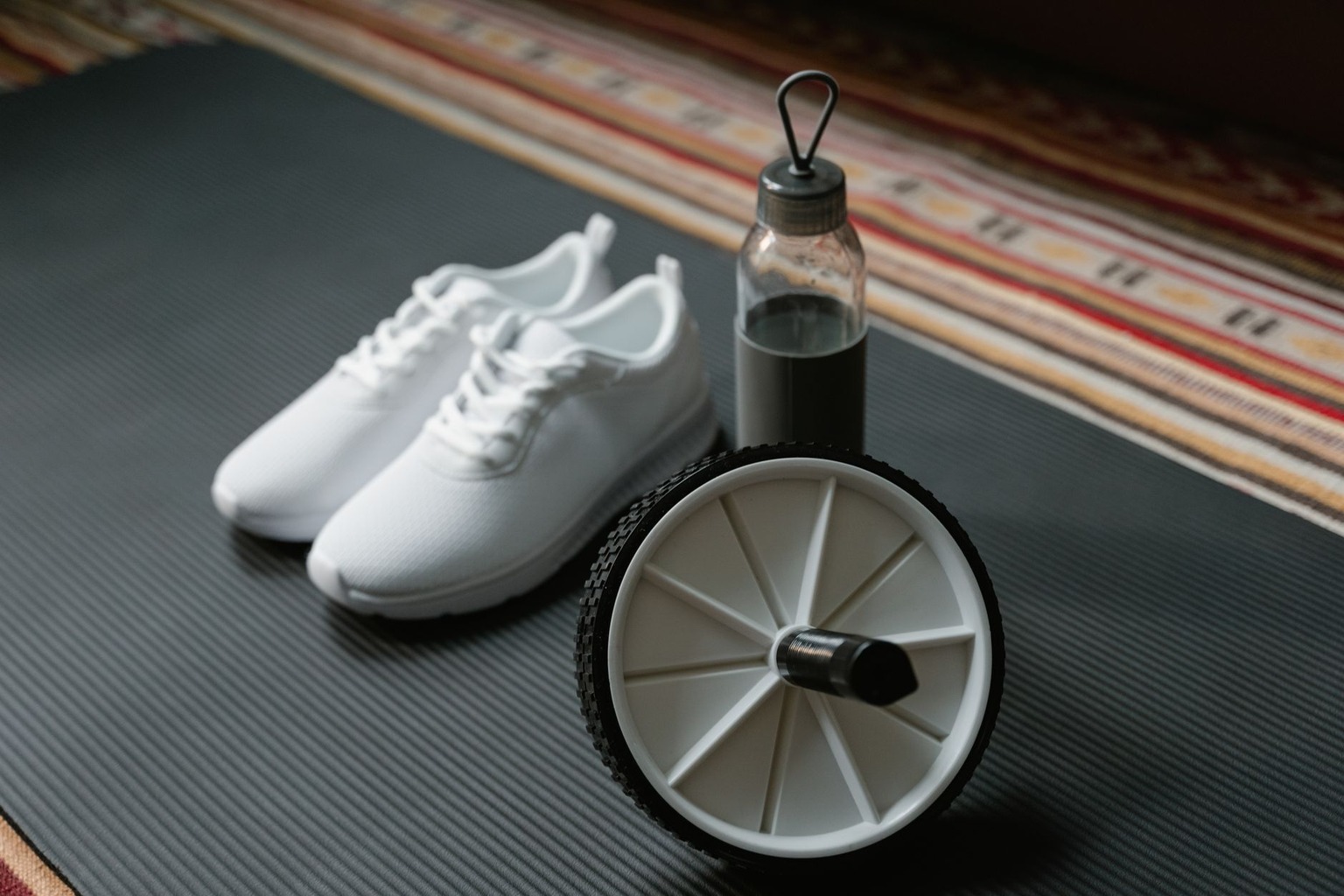
Most men wake up and rush straight into their day, skipping the one habit that could set the tone for mental clarity: movement. Research from the University of Missouri shows that even a short, intentional physical activity, like a brisk walk, dynamic stretching, or a quick session of calisthenics, boosts blood flow to the brain, reduces cortisol levels, and enhances cognitive function. The key isn’t intensity; it’s consistency. Start with 10 minutes of something that gets your heart rate up or your muscles engaged. If you’re pressed for time, try a mobility drill like air squats or push-ups while listening to a podcast or audiobook. This isn’t just about physical health; it’s about priming your mind for the day’s challenges. Studies confirm that morning movement decreases anxiety and improves decision-making, which means you’ll handle stress better and think more clearly when it matters most.
The mistake many men make is treating movement as optional or saving it for later. That’s a recipe for mental fatigue. Instead, treat it as non-negotiable, like brushing your teeth. If you’re someone who struggles with consistency, pair it with an existing habit, like your morning coffee or shower. Over time, this ritual will become a signal to your brain that it’s time to focus. For those who prefer structure, try a 10-minute routine like a mix of jumping jacks, lunges, and deep breathing exercises. The goal isn’t to exhaust yourself; it’s to wake up your nervous system and set a positive tone for the rest of the day.
Fuel Your Brain with the Right Nutrition
What you eat doesn’t just affect your waistline; it directly impacts your mental performance. Research highlights that diets rich in omega-3 fatty acids, lean proteins, and complex carbohydrates, found in foods like fatty fish, eggs, nuts, and whole grains, enhance brain function and reduce symptoms of depression. Conversely, a diet high in processed foods, sugar, and refined carbs spikes insulin levels, leading to energy crashes and brain fog. The solution isn’t restrictive diets but smart, sustainable choices. Start by replacing one unhealthy meal a day with a brain-boosting alternative, like a breakfast of avocado toast with eggs or a lunch of grilled salmon with quinoa. Hydration is just as critical; even mild dehydration can impair focus and mood. Aim for at least 3 liters of water daily, and consider adding electrolytes if you’re active.
The mistake many men make is treating nutrition as an afterthought, especially when they’re busy. Instead, think of it as fuel for performance. If you’re someone who skips meals or relies on fast food, start small. Keep a stash of nuts, jerky, or protein bars for quick energy boosts, and batch-cook meals on weekends to avoid decision fatigue during the week. For those who struggle with consistency, try the “80/20 rule”, eat well 80% of the time and allow flexibility for the remaining 20%. This approach makes healthy eating sustainable without feeling like a chore. Pair your meals with mindfulness; take 2-3 deep breaths before eating to improve digestion and mental clarity.
Master the Art of Strategic Downtime
In a world that glorifies hustle culture, downtime is often dismissed as wasted time. Yet, research shows that scheduled relaxation, whether it’s meditation, reading, or simply sitting quietly, reduces stress hormones and improves mental resilience. The key isn’t passive scrolling or mindless entertainment; it’s active recovery. Men who prioritize downtime report better focus, creativity, and emotional control. Start by blocking out 10-15 minutes daily for something that truly relaxes you. This could be a guided meditation app, journaling, or even listening to a podcast without screens. The goal is to give your brain a break from constant stimulation. Studies confirm that even short periods of relaxation lower blood pressure and improve cognitive function, making you more productive when you return to work.

The mistake many men make is confusing downtime with procrastination. If you’re someone who feels guilty for taking a break, reframe it as a strategic investment in your performance. For example, a 20-minute meditation session can improve your ability to concentrate for hours afterward. If you’re new to downtime, start with micro-breaks, close your eyes for 60 seconds between tasks to reset your focus. Another effective strategy is to schedule downtime like any other appointment. Treat it as non-negotiable, just like your work commitments. Over time, this habit will train your brain to handle stress better and recover faster.
Build a Morning and Evening Routine That Aligns with Your Energy Peaks
Most men operate on a one-size-fits-all schedule, but your mental and physical energy follow a natural rhythm. Research shows that your cognitive performance peaks in the late morning and early afternoon, while your physical strength is highest in the evening. Instead of forcing yourself to work at your lowest energy levels, align your tasks with your natural cycles. Start your day with high-focus work, like planning, creative tasks, or deep thinking, when your brain is fresh. Save administrative tasks, emails, and meetings for when your energy dips. Similarly, wind down in the evening with activities that signal to your brain it’s time to relax, like reading, light stretching, or listening to calming music. This approach not only improves productivity but also reduces stress and improves sleep quality.
The mistake many men make is ignoring their body’s natural rhythms and trying to force productivity at all hours. If you’re someone who struggles with consistency, track your energy levels for a week to identify your peaks and troughs. Use tools like the “Pomodoro Technique” to structure your work in 25-minute bursts followed by 5-minute breaks, which aligns with your brain’s natural focus cycles. For the evening, create a “wind-down ritual” that signals to your brain it’s time to relax. This could include dimming lights, avoiding screens, and engaging in a calming activity. Over time, this routine will train your body to transition into sleep more easily, leading to better rest and mental clarity the next day.
Prioritize Social Connections That Fuel You, Not Drain You
Men often prioritize work, fitness, or hobbies over social connections, but research shows that meaningful relationships are one of the strongest predictors of long-term happiness and mental health. The key isn’t quantity but quality, surrounding yourself with people who challenge you, support you, and bring out the best in you. This could be a small group of close friends, a mentor, or even an online community of like-minded individuals. Make it a habit to schedule regular check-ins with these people, whether it’s a weekly call, a monthly workout session, or a casual coffee meetup. These connections provide emotional support, reduce stress, and give you a sense of belonging, all of which are critical for mental resilience.

The mistake many men make is treating social interactions as optional or waiting for “free time” to connect with others. Instead, think of these connections as non-negotiable appointments. If you’re someone who struggles with social anxiety, start small, reach out to one person a week for a quick chat or join a local club or gym group where you can meet like-minded individuals. Another effective strategy is to leverage technology to stay connected. Tools like video calls or messaging apps can help maintain relationships even when you’re busy. Remember, social connections aren’t just about venting or complaining; they’re about mutual growth and support. Over time, these relationships will become a source of strength and resilience in your life.
Use Technology to Your Advantage, Not at Your Expense
Technology is both a tool and a trap. While it connects us to the world and provides endless information, it also fragments our attention, increases stress, and disrupts sleep. Research shows that constant notifications, social media scrolling, and multitasking with screens reduce mental clarity and increase anxiety. The solution isn’t to abandon technology but to use it intentionally. Start by setting boundaries, like turning off non-essential notifications after a certain hour or designating “screen-free” times during the day. Another effective strategy is to use apps that block distracting websites or limit your screen time. For example, tools like Freedom or Cold Turkey can help you focus by blocking access to time-wasting sites during work hours. Pair this with the “20-20-20 rule” for eye strain relief: every 20 minutes, look at something 20 feet away for 20 seconds.
The mistake many men make is treating technology as a passive background noise rather than an active force in their lives. If you’re someone who struggles with digital overload, start by auditing your apps and deleting or archiving those that don’t serve a clear purpose. For instance, if you find yourself mindlessly scrolling through social media, replace that habit with a more productive activity, like listening to a podcast or audiobook while commuting. Another effective strategy is to create “tech-free zones” in your home, like your bedroom or dining area, to reduce mental clutter. Over time, these habits will train your brain to engage more deeply with the world around you and reduce the mental fatigue caused by constant stimulation.

I’m a longtime fitness enthusiast who loves exploring practical habits that boost daily energy and confidence. Sharing simple, science‑backed routines that help men feel their best is what keeps me motivated every day.