
Healthy meal prep for sustained energy
11/06/2026
Understanding the importance of healthy meal prep
Healthy meal prep plays a crucial role in maintaining sustained energy levels throughout the day. By dedicating time to plan and prepare balanced meals in advance, you provide your body with consistent fuel, preventing the energy dips that come from irregular eating or relying on quick, processed foods. This approach supports a steady release of nutrients into your bloodstream, helping to avoid spikes and crashes in blood sugar that can lead to fatigue and irritability.
Meal planning also allows you to control the quality and quantity of your food intake, making it easier to include a variety of nutrient-dense ingredients that support overall health. When you prepare your meals ahead of time, you are more likely to include wholesome proteins, complex carbohydrates, healthy fats, and ample vegetables — all of which contribute to balanced energy and improved metabolism. This balance is essential for cognitive function, physical performance, and emotional well-being throughout your busy day.
Another benefit of healthy meal prep is the reduction of decision fatigue and stress related to mealtime. Having ready-to-eat, nutritious meals on hand minimizes the temptation to grab unhealthy snacks or skip meals altogether, both of which can disrupt your energy and digestion. Consistent meal timing and composition ensure that your body’s energy demands are met regularly, which supports a smooth energy flow and prevents overeating later in the day.
Incorporating meal prep into your routine not only enhances daily energy management but also fosters long-term health benefits. By embracing this practice, you reduce the reliance on processed fast food and excessive caffeine, which can have detrimental effects on heart health, digestive systems, and weight management. Overall, healthy meal prep is a proactive step toward sustaining energy and promoting lifelong wellness through mindful meal planning.
How balanced meals contribute to energy
Balanced meals play a crucial role in providing sustained energy by incorporating a thoughtful blend of macronutrients and micronutrients. Macronutrients—carbohydrates, proteins, and fats—serve as the primary energy sources for the body. Carbohydrates are the body’s preferred fuel, breaking down into glucose which cells use for immediate energy. Complex carbohydrates, found in whole grains and vegetables, provide a slow, steady release of glucose that helps maintain energy levels throughout the day. Proteins contribute by supporting muscle repair and growth, and they can also be utilized as a secondary energy source when carbohydrates are depleted. Healthy fats are essential for long-term energy storage and support vital cellular functions.
Micronutrients, such as vitamins and minerals, while needed in smaller amounts, are integral to energy metabolism. For example, B vitamins act as coenzymes in the conversion of food into energy, ensuring the body’s cells function efficiently. Iron supports oxygen transport in the blood, which is vital for energy production in muscles and tissues. A deficiency in these nutrients can lead to fatigue and decreased energy levels. Thus, incorporating a variety of nutrient-dense foods in balanced meals ensures that both macronutrient energy sources and essential micronutrients are available to support sustained energy and overall wellness.
Common mistakes to avoid in meal prep
When it comes to meal prep, many people unknowingly fall into meal prep mistakes that can negatively impact their energy levels and overall nutrition. One frequent error is relying too heavily on processed or convenience foods. These options often lack essential nutrients and can lead to energy dips throughout the day. It’s important to focus on whole, nutrient-dense ingredients to maintain sustained energy.
Another common nutrition error is neglecting balance in macronutrients. Preparing meals that are too high in carbohydrates but low in protein and healthy fats can cause blood sugar spikes and crashes, resulting in fatigue. Ensuring each meal contains a good combination of protein, complex carbs, and fats helps provide steady fuel for your body.
Many also make the mistake of not prepping enough variety, which can lead to nutrient deficiencies over time. Repetition of the same meals might feel convenient, but it limits exposure to a broad range of vitamins and minerals essential for energy production and overall health.
Finally, underestimating portion control during meal prep can result in overeating or undereating, both of which can sap your energy. Accurate portioning based on your individual needs supports consistent energy levels and optimal nutrition. Avoiding these common meal prep mistakes can help you fuel your body more effectively and prevent those frustrating energy dips.
Effective strategies for meal prepping to sustain energy
| Meal Prep Strategy | Description | Energy-Sustaining Tips |
|---|---|---|
| Incorporate Balanced Macronutrients | Include the right balance of proteins, healthy fats, and complex carbohydrates in every meal prep to provide steady energy. | Use whole grains like quinoa, lean meats, nuts, and veggies for sustained release of energy. |
| Prepare Portion-Controlled Meals | Divide meals into appropriate portions to avoid overeating and energy crashes. | Use containers with compartments and pre-measured servings to maintain energy without excessive calorie intake. |
| Include Fiber-Rich Foods | Fiber slows digestion and helps maintain blood sugar levels, sustaining energy longer. | Add legumes, vegetables, and whole fruits to your meal prep plan. |
| Stay Hydrated with Prep-Inclusive Drinks | Prepare infused waters or herbal teas alongside meals to maintain hydration which is crucial for energy. | Cucumber and mint infused water or ginger tea can boost hydration and alertness. |
| Schedule Regular Prep Sessions | Consistent, weekly meal prepping reduces decision fatigue and ensures energy-sustaining meals are always ready. | Set aside a specific day and time to prep meals to maintain routine and energy levels. |
| Utilize Energy-Boosting Ingredients | Choose ingredients known for their energy-boosting properties. | Incorporate foods like sweet potatoes, chia seeds, spinach, and eggs. |
| Mix Up Variety to Avoid Fatigue | Rotate different healthy recipes to prevent boredom and keep nutrient intake diverse. | Experiment with herbs, spices, and different protein sources to keep meals exciting and energizing. |
Choosing the right ingredients
When prepping meals for sustained energy, it’s essential to prioritize healthy ingredients that fuel your body efficiently throughout the day. Focus on incorporating nutrient-dense foods that provide a balanced blend of complex carbohydrates, proteins, and healthy fats to maintain steady energy levels.
Complex carbs are vital as they break down slowly, delivering a gradual release of glucose into the bloodstream and preventing energy crashes. Opt for whole grains like quinoa, brown rice, oats, and barley, along with starchy vegetables such as sweet potatoes and squash. These energy-boosting foods not only satisfy hunger longer but also provide essential fiber for digestive health.
Proteins are another cornerstone of healthy ingredients since they support muscle repair and maintain metabolic functions. Include lean protein sources like chicken breast, turkey, tofu, legumes, and fish in your meal prep. These foods contribute to prolonged satiety and help stabilize blood sugar levels, which is critical for sustained energy.
Healthy fats, found in foods like avocados, nuts, seeds, and olive oil, are powerful energy-boosting foods due to their high calorie density and ability to support brain function. They help slow digestion and provide lasting fuel, keeping you energized without the sugar spikes.
By prioritizing these nutrient-dense foods when prepping meals, you create a foundation for balanced energy, improved focus, and overall wellness.
Portion control and meal timing
Portion control and meal timing play crucial roles in managing sustained energy throughout the day. Eating the right portion sizes helps prevent the common energy dips caused by over- or under-eating. When portions are too large, your body focuses on digestion, which can make you feel sluggish. Conversely, when portions are too small, you risk not getting enough nutrients and calories to fuel your activities. By managing portion control effectively, you ensure a steady supply of energy without overwhelming your digestive system.
Meal timing is equally important in energy management. Instead of three large meals, opting for smaller, well-balanced meals spread evenly throughout the day helps maintain consistent blood sugar levels. This approach minimizes the highs and lows in energy, keeping you alert and productive. Incorporating healthy snacks between meals can also support sustained energy and prevent overeating during main meals.
To plan accordingly, start by evaluating your daily schedule and physical activity level to determine appropriate portion sizes and meal intervals. Aim to eat every three to four hours, and focus on foods rich in complex carbohydrates, lean proteins, and healthy fats. This not only provides long-lasting energy but also supports overall health. Remember, the goal of portion control combined with mindful meal timing is to create a balanced eating routine that promotes steady energy release, helping you stay energized and focused all day long.
Sample meal prep ideas for sustained energy
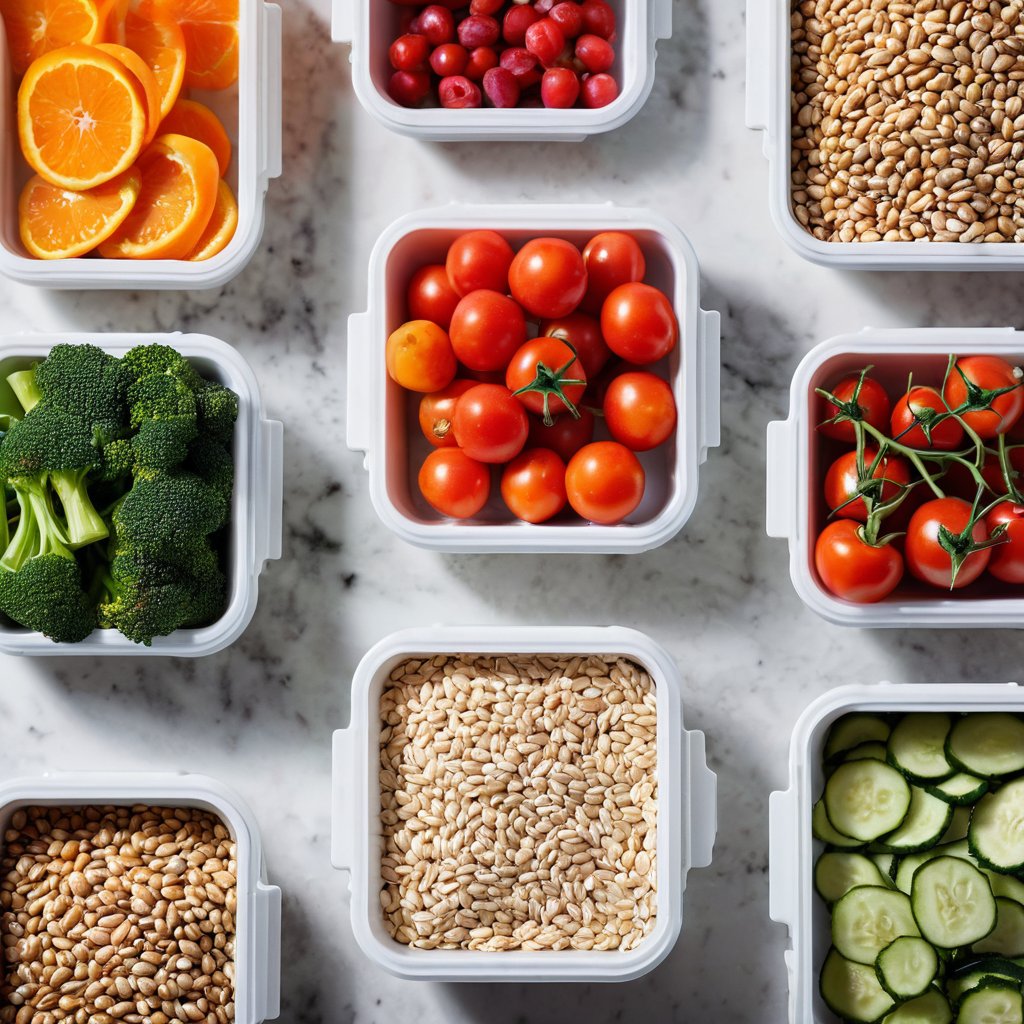
Maintaining steady energy levels throughout the day begins with smart meal prep ideas that focus on balanced nutrition and convenience. Preparing energy meals ahead of time can save you from reaching for unhealthy snacks and help stabilize your blood sugar, ensuring you stay energized and productive from morning till night.
One practical and easy meal prep recipe for sustained energy is the classic quinoa salad. Combine cooked quinoa with chopped vegetables like bell peppers, cucumbers, and cherry tomatoes. Add a source of protein such as chickpeas or grilled chicken, and toss everything with a lemon-tahini dressing. This dish is rich in complex carbohydrates, fiber, and protein — perfect for long-lasting energy.
Another great idea is overnight oats, which can be customized with different toppings to keep your breakfasts exciting. Use rolled oats soaked overnight in almond milk or yogurt, mix in chia seeds for an omega-3 boost, and sweeten naturally with fresh berries or sliced banana. This energy meal provides slow-releasing carbohydrates and healthy fats to keep hunger at bay until lunch.
For lunch or dinner, consider prepping stir-fried vegetables with brown rice and lean protein sources like tofu, shrimp, or turkey. Use minimal oil, and season with ginger and garlic for extra flavor and antioxidant benefits. This dish offers a good balance of vitamins, minerals, and macronutrients essential for sustained energy.
Snack options are equally important to maintain energy levels. Prepare small containers of mixed nuts, seeds, and dried fruit for a quick grab-and-go energy boost. Additionally, chopping raw vegetables like carrots and celery sticks paired with hummus provides fiber and protein to avoid mid-afternoon slumps.
When planning your meal prep, keep in mind the importance of variety. Rotating different recipes and mixing various food groups in your energy meals prevents nutritional gaps and keeps your taste buds satisfied. By adopting these simple and tasty meal prep ideas, you’ll create a foundation for consistent energy throughout your busy days.
Breakfast options to kickstart your day
Starting your day with an energy breakfast is essential for maintaining productivity and focus. To support sustained energy, choose meal prep breakfast options rich in protein, fiber, and healthy fats. Overnight oats with chia seeds and fresh berries are a fantastic make-ahead option. They provide complex carbohydrates and omega-3 fatty acids that keep you full and energized for hours.
Another excellent choice is a vegetable-packed egg muffin. Whisk eggs with spinach, bell peppers, and a sprinkle of cheese, then bake in a muffin tin for easy grab-and-go servings. These muffins are not only protein-rich but also filled with essential vitamins and minerals. Preparing a batch in advance saves time and guarantees a healthy breakfast recipe ready whenever you need it.
Smoothie packs are also perfect for meal prep breakfast ideas. Assemble individual servings of fruits, leafy greens, and protein powder in freezer bags, then blend with milk or water each morning. This method delivers a nutrient-dense, quick-start breakfast that fuels your body effectively. Incorporating these easy and nutritious breakfast recipes into your routine will help optimize your energy levels all day long.
Lunch and dinner meal prep ideas
Preparing healthy lunch recipes and dinner meal prep options in advance can help maintain sustained energy levels throughout the afternoon and evening. Focus on balanced meals that combine complex carbohydrates, lean proteins, and healthy fats to stabilize blood sugar and fuel your body efficiently.
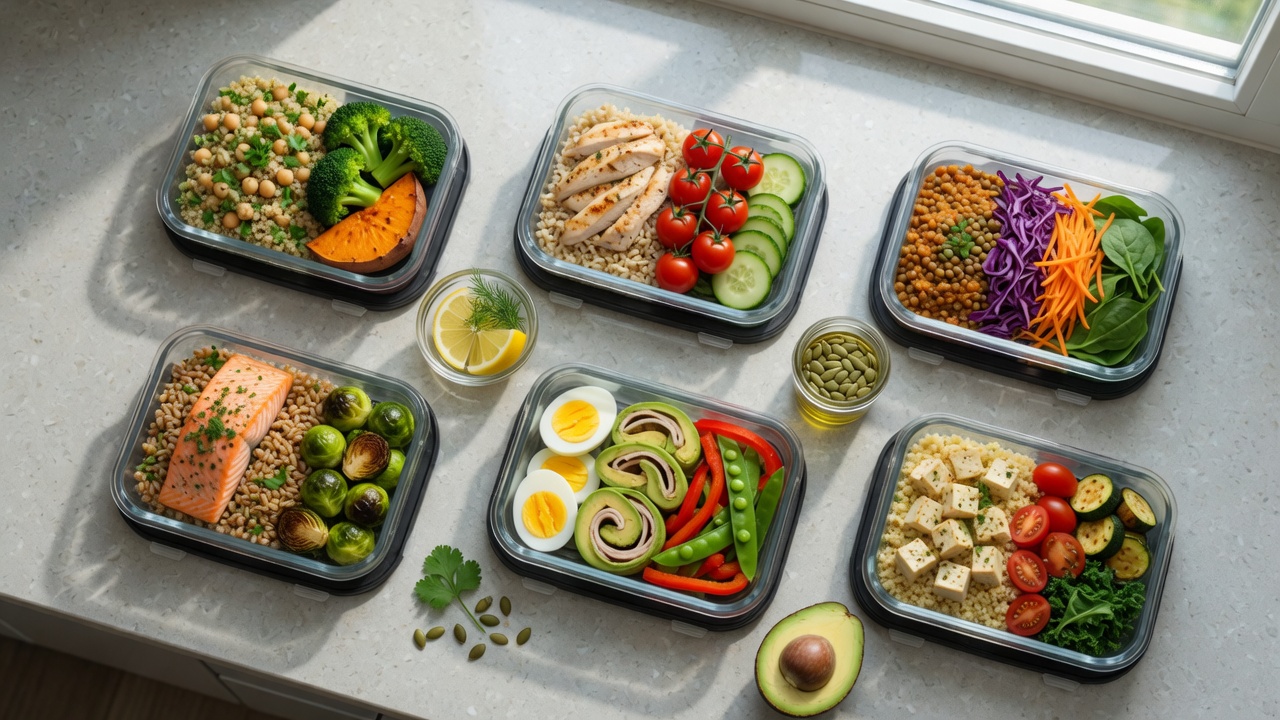
For lunch, consider quinoa salad bowls with grilled chicken, mixed greens, cherry tomatoes, and avocado. Quinoa provides slow-digesting carbs, while chicken offers a lean protein source. Toss in a drizzle of olive oil for healthy fats and a squeeze of lemon for flavor.
Dinner meal prep could include baked salmon with roasted sweet potatoes and steamed broccoli. Sweet potatoes supply energy-sustaining carbohydrates, salmon delivers omega-3 fatty acids and protein, and broccoli adds fiber and essential micronutrients.
Another idea is a chickpea and vegetable curry served with brown rice. Chickpeas provide plant-based protein and fiber, while brown rice offers complex carbs to keep energy steady. Incorporating a variety of colorful vegetables boosts vitamins and antioxidants.
Prepping these meals in bulk saves time and ensures you have sustained energy meals ready to go. Rotate ingredients and flavors to keep your meal prep exciting and nutritious, helping you stay energized and focused all day long.

I’m a longtime fitness enthusiast who loves exploring practical habits that boost daily energy and confidence. Sharing simple, science‑backed routines that help men feel their best is what keeps me motivated every day.