
Simple breathing exercises for relaxation
17/04/2026
Understanding Breathing Exercises
Breathing exercises are simple yet powerful relaxation techniques that involve consciously controlling your breath to promote physical and mental well-being. These exercises form an essential part of many relaxation techniques and are widely used as a natural method for stress relief. By focusing on your breath, you can steer your body away from the typical fight-or-flight response triggered by stress, and towards a state of calm and balance.
At their core, breathing exercises help regulate the autonomic nervous system, which controls involuntary bodily functions such as heart rate and digestion. When you engage in deep, mindful breathing, it signals your brain to reduce the production of stress hormones like cortisol. This shift helps lower blood pressure, slow the heart rate, and decrease muscle tension, all of which contribute to a feeling of relaxation.
There are different types of breathing exercises, from slow diaphragmatic breathing to rhythmic patterns like box breathing or alternate nostril breathing, each with its unique benefits. Despite their differences, the underlying goal of all these techniques is to provide effective stress relief by encouraging a deeper connection between body and mind.
Incorporating breathing exercises into your daily routine can help you manage stress more effectively and improve your emotional resilience. These relaxation techniques are accessible to everyone, requiring no special equipment and only a few minutes of your time. By practicing regularly, you can cultivate a greater sense of awareness and control over your stress responses, enhancing your overall well-being.
In summary, breathing exercises are simple, accessible relaxation techniques that offer substantial stress relief benefits. Through conscious breath control, they help calm the nervous system and foster a state of relaxation essential for managing stress and promoting mental clarity.
Benefits of Breathing Exercises
Practicing simple breathing exercises regularly offers numerous benefits that enhance both mental health and physical health. These techniques help to reduce stress by calming the nervous system, which leads to a decrease in the production of stress hormones like cortisol. This calming effect promotes relaxation, making it easier to manage anxiety, depression, and other mental health challenges.
From a physical health perspective, mindful breathing exercises improve oxygen flow throughout the body, which boosts energy levels and supports overall wellness. By engaging the diaphragm and promoting deeper breaths, these exercises can improve lung capacity and respiratory efficiency. This, in turn, helps to lower blood pressure and heart rate, contributing to cardiovascular health.
Moreover, simple breathing techniques can enhance focus and concentration, helping individuals stay grounded and present in daily activities. This increased mindfulness can lead to better emotional regulation and resilience against daily stressors. Regular practice creates a positive feedback loop that strengthens both mental and physical health, making breathing exercises a powerful tool for overall well-being.
How Breathing Exercises Work
The breathing process plays a crucial role in regulating the nervous system, which directly influences our body’s state of relaxation. When we intentionally slow down our breath through breathing exercises, we activate the parasympathetic nervous system, often referred to as the “rest and digest” system. This activation triggers the relaxation response, a natural counterbalance to the body’s stress response.
Deep, mindful breathing helps decrease the heart rate and lower blood pressure, signaling the nervous system to reduce the production of stress hormones like cortisol. As a result, muscle tension decreases, and the mind becomes calmer. This physiological effect promotes an overall sense of peace and well-being.
Moreover, controlled breathing exercises improve oxygen exchange in the lungs, which enhances the supply of oxygen to the brain and other vital organs. This oxygen boost supports better mental clarity and emotional balance, reinforcing the relaxation response. By consciously regulating your breath, you can effectively manage anxiety and stress, leading to improved physical and mental health.
Simple Breathing Techniques for Relaxation
Practicing simple breathing exercises is an effective way to achieve calm breathing and enhance your relaxation exercises routine. These easy-to-follow techniques are perfect for beginners who want to reduce stress and promote a sense of peace.
| Technique | Description | Steps | Benefits |
|---|---|---|---|
| Deep Belly Breathing | Focuses on expanding the diaphragm for full lung capacity. | 1. Sit or lie comfortably. 2. Place one hand on your belly. 3. Inhale deeply through your nose, letting your belly rise. 4. Exhale slowly through your mouth, letting your belly fall. 5. Repeat for 5 minutes. | Reduces tension, slows heart rate, and encourages calm breathing. |
| Box Breathing | A structured pattern promoting steady breathing rhythm. | 1. Inhale through the nose for 4 seconds. 2. Hold your breath for 4 seconds. 3. Exhale through the mouth for 4 seconds. 4. Hold your breath for 4 seconds. 5. Repeat several times. | Enhances focus, relieves anxiety, and supports relaxation exercises. |
| 4-7-8 Breathing | A calming breath technique involving longer exhales. | 1. Inhale quietly through your nose for 4 seconds. 2. Hold your breath for 7 seconds. 3. Exhale forcefully through the mouth for 8 seconds. 4. Repeat up to 4 cycles. | Promotes deeper calm, helps with sleep, and reduces stress. |
| Alternate Nostril Breathing | Balances the nervous system with breath control. | 1. Use your right thumb to close your right nostril. 2. Inhale slowly through the left nostril. 3. Close the left nostril with your right ring finger; release the right nostril. 4. Exhale through the right nostril. 5. Inhale through right nostril. 6. Close right nostril; exhale left nostril. 7. Repeat cycle. | Improves focus, reduces tension, and encourages calm breathing. |
Incorporating these simple breathing techniques into your daily routine can make relaxation exercises more effective. Start with just a few minutes each day, and gradually increase as you become more comfortable with calm breathing. These exercises help you center your mind, reduce stress hormones, and naturally promote relaxation throughout your body.
Deep Diaphragmatic Breathing
Deep breathing techniques focusing on the diaphragm are highly effective for relaxing both the mind and body. By practicing deep diaphragmatic breathing, you can reduce stress, improve oxygen flow, and achieve a sense of calm quickly. Follow these step-by-step instructions to master this relaxing technique.
- Sit or lie down in a comfortable position, ensuring your back is straight to allow full lung expansion.
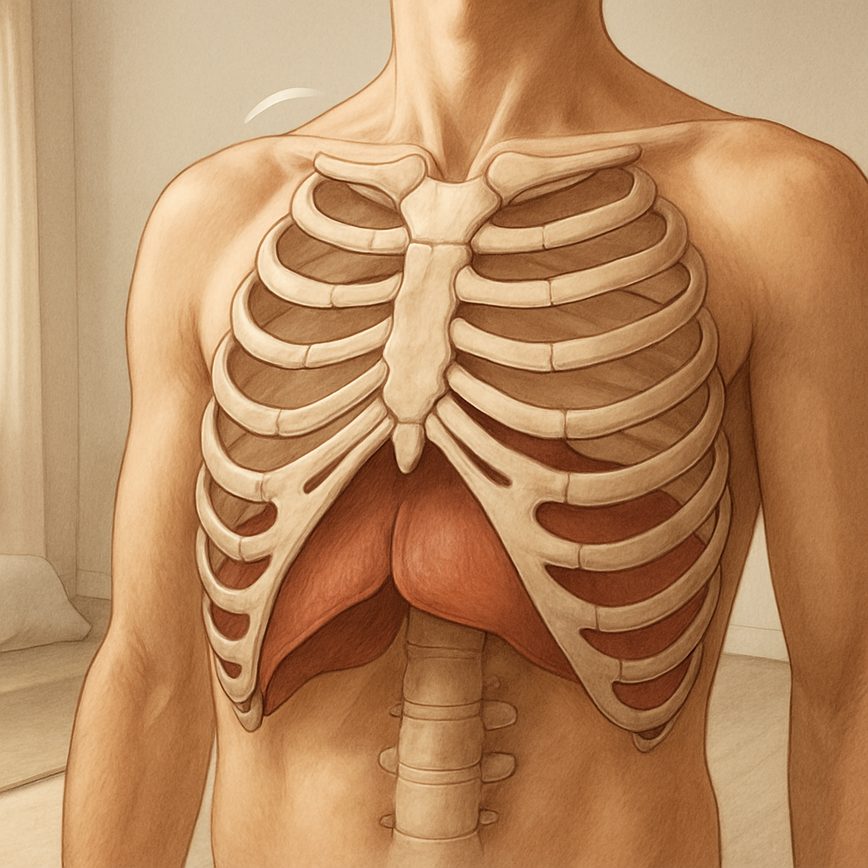
- Place one hand on your chest and the other just below your ribcage on your abdomen to feel the movement of your diaphragm.
- Inhale slowly and deeply through your nose, drawing air down into your diaphragm. Your abdomen should rise while your chest remains relatively still.
- Hold your breath for a count of two to three seconds, allowing oxygen to fully enter your lungs.
- Exhale slowly and completely through your mouth, feeling your abdomen fall as the air is released.
- Repeat this deep breathing process for 5 to 10 minutes, focusing on the rise and fall of your diaphragm to calm your nervous system.
- As you practice regularly, incorporate this deep breathing into your daily routine to manage anxiety and foster relaxation effectively.
4-7-8 Breathing Method
The 4-7-8 technique is a simple yet powerful breath control exercise designed to promote relaxation and reduce stress. To perform this method, start by exhaling completely through your mouth, making a whoosh sound. Next, close your mouth and inhale quietly through your nose for a count of four. Hold your breath for a count of seven, allowing the oxygen to fill your lungs and calm your nervous system. Finally, exhale completely through your mouth for a count of eight, again making the whoosh sound. This completes one cycle.
Repeat the cycle three more times for a total of four breaths. The 4-7-8 technique helps to regulate your breath and slows down your heart rate, which can reduce feelings of anxiety and nervousness. By focusing on your breath and its rhythm, you activate your parasympathetic nervous system, promoting a state of calm and relaxation.
Many people find this breathing method particularly effective when used before bedtime, as it can improve sleep quality by easing the mind and reducing the physiological effects of stress. Incorporating the 4-7-8 breathing method into your daily routine can lead to long-term stress reduction and an overall sense of well-being, making it a valuable tool for managing anxiety and enhancing restful sleep.
Box Breathing Exercise
Box breathing is a simple yet powerful relaxation method that involves a structured breathing pattern designed to calm the mind and body. The technique gets its name from the four equal parts of the breath cycle, resembling the four sides of a box. To practice box breathing, begin by inhaling slowly and deeply through your nose for a count of four. Next, hold your breath for another count of four, which helps increase your focus and control over your breathing.
After the breath hold, exhale gently through your mouth for a count of four, allowing your body to release tension. Finally, hold your breath again for a count of four before starting the cycle over. This controlled breath hold phase, combined with mindful inhalation and exhalation, creates a relaxing rhythm that can help reduce stress and improve mental clarity.
To enhance relaxation and focus while practicing box breathing, find a quiet and comfortable space where you can sit upright with your back straight. Close your eyes to minimize distractions and focus your attention entirely on your breath. Consistency is key—practicing this exercise for five minutes daily can lead to noticeable benefits in calmness and concentration. Integrating box breathing into your routine can be particularly effective during moments of anxiety or before engaging in tasks requiring peak mental performance.

I’m a longtime fitness enthusiast who loves exploring practical habits that boost daily energy and confidence. Sharing simple, science‑backed routines that help men feel their best is what keeps me motivated every day.