

Simple evening rituals to improve recovery
21/06/2026
The Science Behind Evening Recovery Rituals
Evening rituals serve as foundational elements within recovery science, guiding the body toward deeper rest and efficient healing. These intentional practices prepare physiological systems for optimal sleep recovery by regulating circadian rhythms and lowering evening cortisol. As a result, individuals experience meaningful wellness benefits that extend beyond simple relaxation into measurable improvements in physical restoration and cognitive clarity.
Creating a consistent, meaningful evening routine with rituals can help reduce anxiety and stress, and signal to your brain that it’s time to transition to sleep mode.
Helen Chen, MCMSc, PA-C (medical reviewer) — healthline.com
During sleep recovery the body prioritizes muscle repair, releasing growth hormone to rebuild micro-damaged fibers sustained through daily movement. Evening rituals such as light stretching or a warm Epsom-salt bath enhance circulation and reduce inflammation, allowing this overnight repair process to occur more effectively. Consistent implementation of these habits accelerates recovery timelines and decreases next-day soreness.
Mental rejuvenation occurs simultaneously as calming activities quiet neural activity and promote parasympathetic dominance. Techniques like guided meditation or reflective journaling lower stress markers, creating ideal conditions for restorative sleep. The cumulative wellness benefits include sharper focus, balanced mood, and greater emotional resilience throughout the following day.
Practical tips for success begin with a fixed wind-down schedule that starts one hour before bed. Replace screens with dim lighting, herbal tea, or soft music to protect melatonin production. Adding a brief gratitude practice further reinforces positive neural pathways that support both sleep recovery and long-term wellness benefits.
Tracking responses in a simple journal helps refine which evening rituals deliver the strongest results. Pairing these routines with balanced nutrition and adequate hydration amplifies muscle repair efficiency while sustaining mental rejuvenation. Over time, the disciplined use of evening rituals transforms recovery science into a reliable, proactive strategy for sustained health.
Establishing a Wind-Down Routine
Creating a consistent wind down routine is one of the most effective evening habits for promoting stress reduction and achieving better sleep. This structured pre-sleep sequence helps signal your body that it is time to transition from the demands of the day into a state of rest and recovery. By dedicating 30 to 60 minutes each evening to calming activities, you lower cortisol levels, quiet racing thoughts, and prepare both mind and body for restorative sleep.
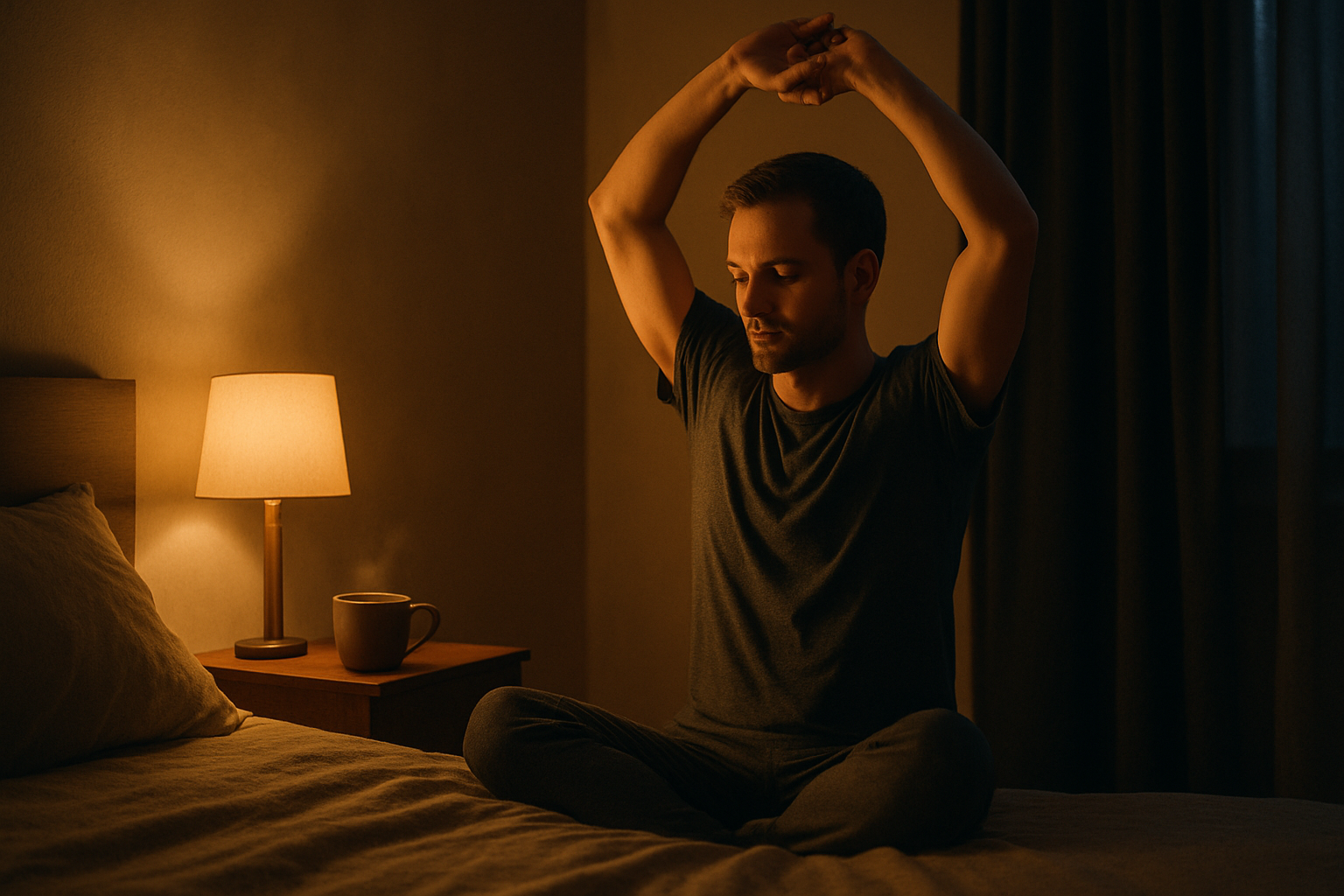
Begin by selecting a fixed start time for your wind down routine and dimming the lights throughout your home. Lowering brightness reduces melatonin suppression and reinforces the natural circadian rhythm. Next, power down electronic devices at least 45 minutes before bed; the blue light from screens interferes with sleep hormones, so replacing scrolling with analog activities supports deeper rest. Consider brewing a cup of caffeine-free herbal tea while you prepare a cool, dark bedroom environment.
Incorporate gentle movement or mindfulness practices such as light stretching, progressive muscle relaxation, or five minutes of focused breathing. These evening habits further enhance stress reduction by releasing physical tension accumulated during the day. Journaling for just three minutes about what went well or what you are grateful for can also clear mental clutter, making it easier to fall asleep quickly and stay asleep longer.
Consistency is key. Perform the same sequence of steps nightly so your brain begins to associate these cues with impending rest. Over time, the wind down routine becomes a powerful trigger that accelerates the shift into recovery mode, leading to improved mood, sharper focus, and greater overall resilience. Track your sleep quality for two weeks to notice how these intentional evening habits translate into more refreshing nights and energized mornings.
Optimizing Nutrition Before Bed
Bedtime nutrition plays a vital role in supporting overnight recovery by supplying the body with essential nutrients that promote muscle repair and restore energy levels. Selecting the right foods and drinks in the evening helps maintain steady blood sugar without causing digestive discomfort that could interrupt sleep. Focus on balanced options that are easy to digest and rich in protein, magnesium, and antioxidants to enhance the body’s natural rejuvenation processes during rest.
On Justin Agustin’s channel they explain 5 stretches for better sleep—watch the video right here.
When preparing evening meals, keep portions moderate and finish eating at least two to three hours before bedtime. This timing allows proper digestion and prevents acid reflux or bloating. Incorporate recovery foods such as Greek yogurt topped with almonds, cottage cheese with banana slices, or a small serving of oatmeal with berries. These choices deliver slow-release proteins and carbohydrates that aid tissue repair overnight while avoiding heavy spices or fried items that may lead to restlessness.
Recovery foods like tart cherries, fatty fish, and leafy greens stand out for their ability to reduce inflammation and support melatonin production. A light snack combining casein-rich dairy with magnesium-packed nuts can further optimize muscle recovery without spiking energy levels. By prioritizing these items in your evening meals, you create a foundation for deeper, more restorative sleep that aligns with your body’s natural circadian rhythms.
Hydration tips emphasize consistent fluid intake earlier in the evening rather than large amounts right before bed. Sip water or herbal tea throughout the day and taper off two hours prior to sleep to maintain electrolyte balance for recovery while minimizing bathroom interruptions. If needed, a small glass of warm milk or an electrolyte drink can soothe without excess volume that disrupts rest.
Overall, thoughtful bedtime nutrition ensures evening meals and recovery foods work together to support overnight healing. Avoiding caffeine, alcohol, and high-sugar treats helps prevent sleep fragmentation. With these strategies, you can enhance recovery, reduce next-day fatigue, and wake feeling refreshed and ready for the day ahead.
Incorporating Gentle Movement and Stretching
Incorporating gentle stretching into your evening routine can work wonders for your body and mind. After hours of sitting or physical activity, your muscles often feel tight and fatigued. Engaging in gentle stretching helps to loosen these areas, promoting better blood flow and aiding in muscle recovery. This practice not only reduces soreness but also prepares your body for a night of restorative sleep.

Another beneficial activity is evening yoga, which combines controlled movements with breathing techniques. A short session of evening yoga can include poses like the cat-cow stretch to mobilize the spine and the standing forward bend to release tension in the legs and back. These movements are gentle enough for anyone, regardless of fitness level, and they foster a sense of calm.
To maximize muscle recovery, focus on key areas such as the neck, shoulders, and lower back during your stretching routine. Hold each position for 20 to 30 seconds while breathing deeply. This approach allows the muscles to relax fully, enhancing flexibility and reducing the buildup of lactic acid from the day’s exertions.
Relaxation exercises are also essential in this context. Techniques like deep diaphragmatic breathing paired with gentle stretching can lower cortisol levels, making it easier to transition into sleep mode. You might try lying on your back with legs elevated against a wall, which is a restorative pose that encourages circulation and relaxation.
By consistently practicing these methods, you’ll notice improvements in how you feel upon waking. Evening rituals involving gentle movement ensure that your body recovers effectively, leaving you refreshed and ready for the next day. Remember to listen to your body and avoid any movements that cause discomfort. Furthermore, integrating these relaxation exercises into your nightly schedule can have profound effects on your overall health, supporting both physical recovery and mental clarity while reducing anxiety over time.
Effective Evening Yoga Poses
Integrating evening yoga poses into your bedtime routine can greatly enhance recovery and relaxation. Yoga for recovery emphasizes slow, mindful movements that help the body unwind from the day’s activities. These practices not only aid in muscle repair but also set the stage for improved sleep through dedicated sleep yoga sessions.
One of the most beneficial evening yoga poses is Child’s Pose. Begin by kneeling with big toes touching and knees apart. Extend your arms forward and rest your forehead on the mat. This pose stretches the hips and lower back while encouraging deep breathing to release tension.
Another excellent choice is Legs-Up-The-Wall. Lie on your back near a wall and extend your legs upward. Rest your arms by your sides. This inversion pose improves circulation, reduces swelling, and calms the nervous system, supporting better overnight recovery.
For enhanced flexibility, include the Supine Spinal Twist. Lie flat, bring one knee to the chest, and guide it across the body while keeping shoulders grounded. This twist relieves spinal tension and promotes detoxification. Finally, conclude with Corpse Pose to integrate all benefits. By consistently practicing these flexibility exercises as evening yoga poses, you foster greater mobility and restorative sleep.

I’m a longtime fitness enthusiast who loves exploring practical habits that boost daily energy and confidence. Sharing simple, science‑backed routines that help men feel their best is what keeps me motivated every day.