
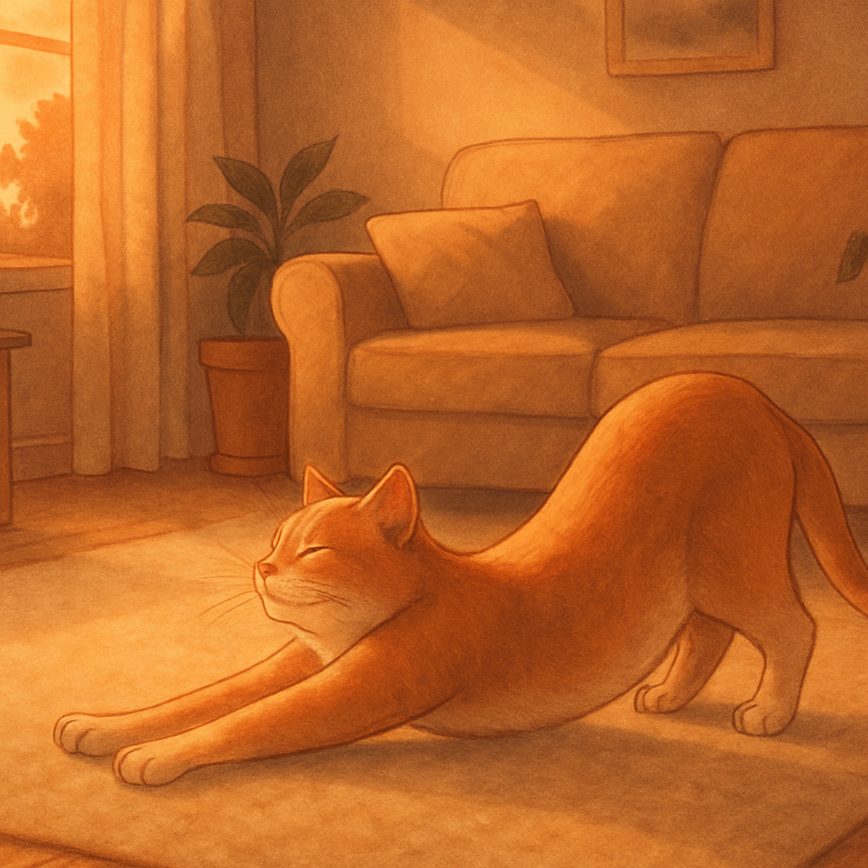
Simple evening stretches to relax
13/05/2026
Benefits of Evening Stretching
Engaging in simple evening stretches offers numerous physical and mental benefits that can profoundly enhance your relaxation and overall well-being. One of the primary relaxation benefits is the reduction of muscle tension accumulated during the day. Stretching helps to gently elongate muscles, relieving stiffness and improving flexibility. This physical release allows your body to transition from the active state often felt after daily activities to a more restful and peaceful one, setting the stage for better sleep.
Evening stretches also promote enhanced circulation, which supports the delivery of oxygen and nutrients to your muscles, aiding in recovery and reducing soreness. Improved blood flow not only refreshes your body but also helps flush out toxins, leaving you feeling rejuvenated. This physical renewal fosters a sense of calm and comfort, critical elements in easing the mind and body toward restfulness.
Mental benefits are equally significant when incorporating evening stretches into your routine. The deliberate focus on slow, mindful movements encourages a moment of pause and presence, assisting in the reduction of stress and anxiety. When your body relaxes, your mind often follows suit, diminishing racing thoughts and promoting mental clarity. This stress relief effect is a natural way to unwind after a hectic day, helping to lower cortisol levels and prepare your mind for restful sleep.
Moreover, consistent evening stretches can establish a calming pre-bedtime ritual, signaling to your body that it is time to wind down. This ritualistic aspect enhances sleep quality by promoting relaxation and easing the transition into deeper sleep cycles. Many people experience fewer disturbances and an overall improvement in sleep patterns when evening stretches become part of their nightly routine.
Incorporating simple evening stretches into your daily habits can be a game-changer for those seeking natural stress relief and better sleep. By addressing both physical tension and mental strain, these stretches cultivate a holistic sense of relaxation. Over time, you’ll likely notice not only the immediate calming effects but also long-term improvements in your sleep quality and overall energy levels during the day. Embrace evening stretches as a gentle, effective way to enhance your nightly relaxation and the restorative power of sleep.
Improving Flexibility and Reducing Muscle Tension
Engaging in simple evening stretches offers significant benefits for your body, particularly when it comes to improving flexibility and reducing muscle tension. Throughout the day, our muscles endure various stresses and strains from daily activities, often leading to stiffness and discomfort. Incorporating a stretching routine in the evening helps to counteract this accumulated muscle tension, promoting relaxation and a greater range of motion.
Stretching exercises gently lengthen the muscles, which enhances overall flexibility by increasing the elasticity of muscles and connective tissues. With improved flexibility, your body can move more freely and efficiently, reducing the risk of injuries and muscle imbalances. This is especially important as flexibility tends to decline with age or prolonged inactivity.
The benefits of stretching extend beyond just physical flexibility. As muscles lengthen and relax during an evening stretch, blood circulation improves, aiding in the delivery of oxygen and nutrients to muscle tissues. This process helps to alleviate muscle stiffness and soreness that have built up during the day, contributing to a sense of calm and well-being. Making evening stretches a consistent habit not only supports your physical health but also enhances your overall muscle recovery and relaxation, setting the stage for a restful night.
Promoting Better Sleep and Stress Relief
Incorporating gentle stretching into your evening routine can have profound benefits on your ability to achieve better sleep and reduce stress. As the day winds down, performing simple stretches helps to calm the nervous system by releasing muscle tension and promoting relaxation. This process signals to your body that it is time to transition from a state of activity to rest, creating the ideal conditions for a deeper and more restful sleep.
Evening stretches work by stimulating the parasympathetic nervous system, which is responsible for the body’s relaxation response. By activating this system through slow, mindful movements, you effectively lower stress hormones, reduce heart rate, and encourage a state of calm. This not only aids in alleviating physical stress built up throughout the day but also eases mental stress, making it easier to fall asleep and stay asleep.
Adding a few minutes of stretching into your evening routine can be a simple yet powerful tool for enhancing your overall wellbeing. By prioritizing these gentle movements each night, you create a consistent ritual that signals your body to relax and prepare for restorative rest. Over time, this practice can contribute to improved sleep quality, helping you wake up feeling refreshed and ready for the day ahead.
Simple Evening Stretches to Try
After a long day, winding down with some relaxing stretches can make all the difference in how you feel both physically and mentally. Incorporating easy, evening stretches into your at-home stretching routine helps release tension built up from daily activities and promotes better sleep. These gentle movements are designed to be accessible to everyone, regardless of flexibility or experience.
One excellent stretch to start with is the seated forward bend. Sit comfortably with your legs extended in front of you. Slowly reach forward towards your toes, feeling a gentle stretch along your back and hamstrings. This calming stretch helps reduce stiffness and encourages relaxation.
Another great addition to your evening stretches is the cat-cow stretch. Begin on all fours, with your wrists aligned under your shoulders and knees under your hips. Inhale as you arch your back, lifting your head and tailbone, then exhale as you round your spine, tucking your chin toward your chest. This flowing motion is perfect for loosening up the spine and releasing stress.
For those looking to relieve tension in the hips, the figure-four stretch is a simple yet effective choice. Lie on your back with both feet flat on the floor. Cross one ankle over the opposite knee, creating a figure-four shape. Gently pull the uncrossed leg towards your chest, feeling a deep stretch in the outer hip. This stretch is especially beneficial for easing tight hip muscles caused by prolonged sitting.
Don’t forget to include some gentle neck stretches to your routine. Sitting or standing tall, slowly tilt your head toward one shoulder, holding the position for a few breaths. Switch sides to balance out any tension. Neck stretches are great for releasing stress and improving circulation after a busy day.
Finally, end your evening stretching routine with deep, calming breaths paired with a simple child’s pose. Kneel on the floor, sit back on your heels, and stretch your arms forward on the ground. Let your forehead rest gently on the floor and breathe deeply. This final stretch offers a moment of tranquility and helps signal your body that it’s time to unwind.
Incorporating these evening stretches into your daily routine is a wonderful way to promote relaxation and ease muscle tension. With consistent practice, your body will feel more flexible and your mind more at peace, setting you up for a restful night and a refreshed tomorrow.
Neck and Shoulder Stretch
To unwind and release tension from your upper body, performing neck stretch and shoulder stretch exercises before bed is an ideal way to promote evening relaxation. These stretches help ease muscle tightness, reduce stiffness, and prepare your body for restful sleep.
- Start with Neck Stretch: Sit or stand comfortably with your back straight. Slowly tilt your head to the right, bringing your right ear toward your right shoulder. Hold this position for 20-30 seconds to feel a gentle stretch along the left side of your neck.
- Return to the center and repeat by tilting your head to the left, holding the stretch on the right side for another 20-30 seconds.
- For a deeper neck stretch, gently press down your right hand on the left side of your head as you tilt it to the right. Hold for 15-20 seconds, then switch sides.
- Move to Shoulder Stretch: Extend your right arm across your body at shoulder height. Use your left hand to gently press the right arm closer to your chest, stretching the shoulder muscles. Hold this stretch for 20-30 seconds, feeling the release of tension.
- Switch arms and repeat the shoulder stretch on the left side for equal relaxation.
- To finish, roll your shoulders slowly forward and backward in a circular motion 5-7 times each way to further loosen the muscles and enhance relaxation.
Incorporating these neck stretch and shoulder stretch steps into your nightly routine can significantly improve your evening relaxation by releasing built-up upper body tension, helping you drift off to sleep more peacefully.
Seated Spinal Twist
The seated spinal twist is an excellent stretch to relieve tension in the back and promote spinal flexibility. To begin, sit comfortably on a chair or cross-legged on the floor, keeping your spine tall and shoulders relaxed. Place your right hand on the outside of your left thigh or knee, and your left hand behind you for support. As you inhale, lengthen your spine—imagine growing taller through the crown of your head.
On your exhale, gently twist your torso to the left, starting from the base of your spine and moving upward. Use your hands to deepen the seated stretch without forcing the movement. Keep your hips grounded and avoid arching or bending forward. Hold the twist for 20 to 30 seconds, maintaining steady, deep breaths to support relaxation and oxygen flow to your muscles.
This spinal twist helps loosen tight muscles and eases back stiffness, especially after long periods of sitting. When you feel ready, slowly return to the center, inhaling as you untwist. Repeat the twist on the opposite side to ensure balanced back relaxation. Always listen to your body—if any discomfort or pain arises, reduce the intensity or stop the stretch. This seated spinal twist is a simple yet effective way to unwind your spine and relieve daily back tension safely.
Hamstring and Calf Stretch
To perform an effective hamstring stretch, sit on the floor with one leg extended straight out in front of you and the other leg bent so that the sole of your foot rests against the inner thigh of your extended leg. Slowly lean forward from your hips, reaching toward your toes while keeping your back straight. Hold this position for 20 to 30 seconds, feeling the stretch in the back of your thigh. This hamstring stretch is excellent for relieving leg tension and improving flexibility.
For a calf stretch, stand facing a wall with your hands placed on it at shoulder height. Step one foot back, keeping the heel flat on the floor and the leg straight, while bending the front knee slightly. Lean forward gently until you feel a stretch in the calf of the back leg. Hold for 20 to 30 seconds before switching legs. This calf stretch helps improve circulation and reduces tightness in the lower legs.
Incorporating both the hamstring stretch and calf stretch into your evening routine can greatly contribute to leg relaxation after a long day. These stretches not only ease muscle tension but also promote better blood flow, aiding recovery and preventing cramps. Remember to breathe deeply during each stretch to maximize relaxation and effectiveness.
Tips for Creating an Effective Evening Stretching Routine
Building a consistent evening stretching routine can significantly enhance your relaxation and overall well-being. To make the most out of your stretching habit, it’s essential to integrate it thoughtfully into your evening habits, ensuring it becomes a calming ritual rather than a rushed task.
Start by choosing a specific time each evening to stretch, ideally after winding down from your day’s activities. Setting a regular time frame helps establish a natural rhythm, making the routine easier to follow consistently. Whether it’s right before dinner, after your last work task, or just before bed, consistency in timing reinforces the habit.
Next, create a dedicated and comfortable space for your stretching routine. This could be a quiet corner with a yoga mat, soft lighting, and minimal distractions. A cozy environment fosters relaxation and encourages you to stay present during your stretching exercises. Incorporating soothing music or essential oils can also enhance the calming atmosphere.
When designing your stretching routine, focus on gentle, slow movements that target key areas where tension typically accumulates, such as the neck, shoulders, back, and legs. Avoid pushing too hard or rushing through stretches. The goal is to promote relaxation and release muscular tightness, rather than achieve maximum flexibility in a short time.
Incorporate deep breathing techniques alongside your stretches to further encourage relaxation. Synchronizing breath with movement helps calm the nervous system and increases the effectiveness of each stretch. This combined approach is a powerful relaxation tip to include in any evening stretching routine.
Finally, be patient with yourself. Building a reliable stretching routine takes time, so celebrate small successes and remain persistent. Consistent practice, even if it’s just 10 to 15 minutes each evening, will yield significant benefits for your body and mind over time, improving flexibility, reducing stress, and setting a peaceful tone for a restful night.
Choose a Calm Environment
Creating a calm environment is essential for effective stretching and achieving a deep sense of relaxation. To begin, select a quiet space in your home or outdoors where interruptions are minimal. This stretching space should feel inviting and free from distractions such as loud noises or busy activity. Consider using soft lighting, such as dim lamps or candles, to foster a soothing atmosphere that encourages your body to unwind.
Incorporate elements that enhance tranquility, like gentle background music or natural sounds like flowing water or birdsong. These subtle auditory additions can help in maintaining focus and deepening relaxation. Additionally, keep the area clean and clutter-free, as a neat space contributes to a peaceful mind and allows you to fully concentrate on your stretches.
Using comfortable mats or cushions specifically designated for your stretching space can provide physical support and signal to your mind that it’s time to relax. Fresh air and pleasant scents, such as lavender or eucalyptus, can further elevate the relaxation atmosphere, making it easier to release tension and enjoy the full benefits of your stretching routine.
By thoughtfully arranging your stretching space into a calm environment, you create a sanctuary for your body and mind. This dedicated area will invite you to regularly practice evening stretches, helping you to unwind after a busy day and prepare for a restful night.
Consistency Over Intensity
When it comes to relaxation through stretching, consistent stretching is far more beneficial than occasional intense sessions. Gentle stretches performed regularly help maintain flexibility, reduce muscle tension, and promote a calm mind. This steady approach aligns with the body’s natural rhythms, making it easier to unwind and prepare for restful sleep.
Intense stretching sessions, while sometimes effective for immediate release, can lead to muscle soreness or strain if not done properly or too infrequently. In contrast, incorporating gentle stretches into a daily routine encourages gradual improvement and sustained relaxation without the risk of injury. The gentle stretches stimulate blood flow and gently ease tight muscles, which contributes to a sense of overall well-being.
By prioritizing consistency over intensity in your stretching practice, you build a habit that supports long-term relaxation and physical health. Making gentle stretches a regular part of your evening routine helps calm both body and mind, making it easier to detach from daily stress. Ultimately, this approach fosters a deep state of relaxation that lasts beyond the stretching session itself.
Incorporate Deep Breathing
Combining deep breathing with your evening stretches can significantly enhance relaxation and calm the mind. Deep breathing involves intentional breath control, where you take slow, deliberate breaths that fill your lungs completely and then exhale fully. This practice not only oxygenates your body but also signals your nervous system to enter a state of calm. When paired with stretching, the benefits multiply – as your muscles gently elongate, your mind synchronizes with each breath, allowing stress and tension to melt away more effectively.
Integrating deep breathing into your stretching routine helps you stay present in the moment, making it easier to release mental clutter. This mindful connection enhances the overall stretching benefits by improving circulation and increasing flexibility while promoting a peaceful mindset. Breath control also aids in regulating your heart rate, lowering cortisol levels, and encouraging a deeper sense of relaxation that prepares your body and mind for restful sleep. Whether you’re doing simple stretches or holding poses longer, focusing on your breath ensures you maximize the calming effects of your routine.
To get started, inhale deeply through your nose, feeling your abdomen rise, hold for a few seconds, then exhale slowly through your mouth or nose. Repeat this breath control technique as you stretch, allowing each movement to be guided by your breath. This harmonious flow between deep breathing and stretching creates a tranquil experience that rejuvenates both the body and mind, making it an essential part of your evening relaxation practice.

I’m a longtime fitness enthusiast who loves exploring practical habits that boost daily energy and confidence. Sharing simple, science‑backed routines that help men feel their best is what keeps me motivated every day.