
Simple mindfulness techniques for men
04/04/2026
Another myth is that mindfulness is a passive or “soft” activity not suited for men who typically value action and productivity. However, mindfulness can actually enhance focus, reduce stress, and improve decision-making—qualities that support a proactive lifestyle. It is a tool to navigate challenges more effectively rather than a sign of weakness.
Some men may also believe mindfulness requires a significant time commitment or special environment, which presents unnecessary mindfulness challenges. The truth is that even brief moments of mindful breathing or awareness throughout the day can make a meaningful difference, making it accessible regardless of a busy schedule or lifestyle.
By debunking these myths and understanding mindfulness from a practical men’s perspective, more men can overcome these misconceptions and experience the benefits mindfulness offers in their daily lives.
Simple Mindfulness Techniques for Beginners
Starting a mindfulness practice doesn’t have to be complicated or time-consuming. For men looking to enhance daily mental focus and relaxation, incorporating simple mindfulness exercises into your routine can make a significant difference. These beginner techniques are designed to be easy, practical, and effective, helping you cultivate greater awareness and calm amidst the busyness of everyday life.
One of the most accessible mindfulness exercises is mindful breathing. This technique requires no special equipment and can be done anywhere, anytime. To practice mindful breathing, simply take a moment to focus on your breath. Notice the sensation of the air entering and leaving your nostrils, the rise and fall of your chest, and the rhythm of your breathing. If your mind starts to wander, gently bring your attention back to your breath. Even just a few minutes of this practice can help center your thoughts and reduce stress.
Another beginner technique to try is body scanning. This involves paying close attention to different parts of your body, starting from your toes and moving upward to your head. Notice any sensations without judgment — whether it’s tension, warmth, or relaxation. Body scanning encourages greater connection between mind and body, promoting relaxation and physical awareness.
Incorporating daily mindfulness into routine activities is also highly effective. For example, while eating, take time to savor each bite, paying attention to the flavors, textures, and smells. When walking, feel the ground beneath your feet and observe your surroundings without distraction. These small moments of mindfulness strengthen your ability to stay present throughout the day.
Finally, set aside a few minutes each day to simply sit quietly, focusing on your breath or repeating a calming word or phrase. This simple practice can improve your mental clarity and emotional resilience over time. By integrating these beginner techniques into your daily life, you can build a solid foundation for a mindful lifestyle that supports both mental focus and relaxation.
Mindful Breathing Exercises
Mindful breathing is a simple yet powerful technique that helps cultivate calmness, reduce stress, and improve focus. By paying close attention to your breath, you engage fully in the present moment, enhancing your mindfulness practice. Follow these steps to incorporate mindful breathing into your daily routine.
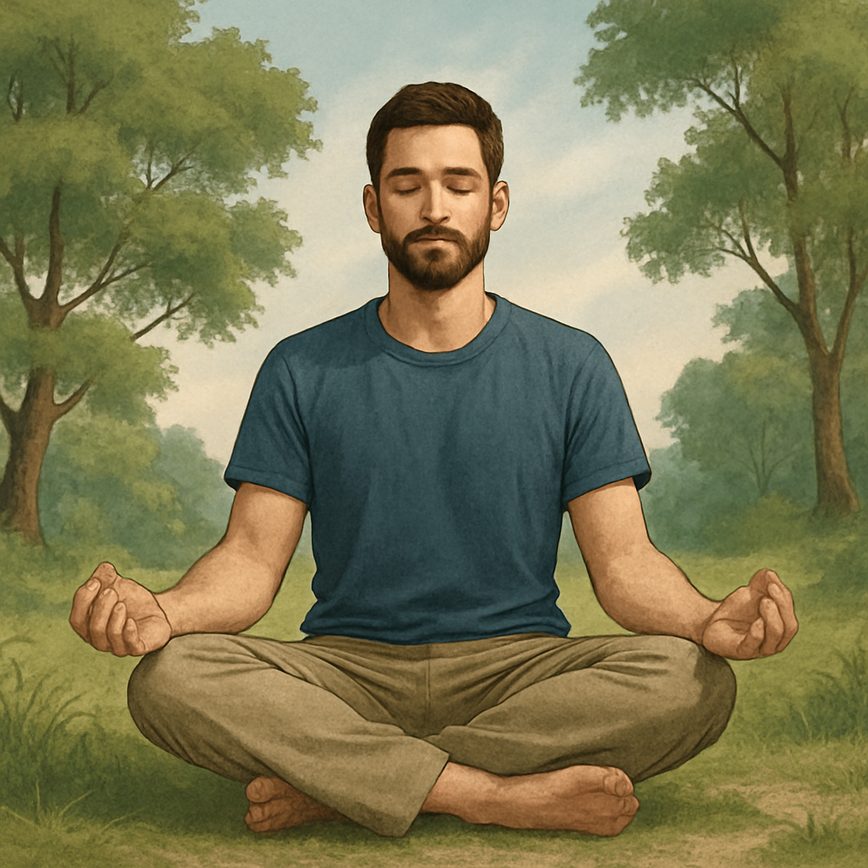
- Find a quiet place where you won’t be disturbed. Sit comfortably with your back straight and your hands resting on your lap.
- Close your eyes gently and bring your attention to your natural breathing. Notice the sensation of air entering and leaving your nostrils or the rise and fall of your chest.
- Start to breathe slowly and deeply, inhaling through your nose for a count of four, holding the breath for a count of four, then exhaling through your mouth for a count of six. Adjust the count to what feels comfortable.
- If your mind wanders, gently acknowledge the distraction without judgment and bring your focus back to your breath. This redirection strengthens your mindfulness practice over time.
- Continue breathing mindfully for 5 to 10 minutes, gradually increasing the duration as you become more comfortable with the practice.
Regularly practicing these breathing techniques cultivates a deep sense of calmness by activating the body’s relaxation response. It also helps diminish stress levels by interrupting the cycle of anxious thoughts. Furthermore, mindful breathing enhances your ability to concentrate, making it easier to stay focused amid daily distractions. Incorporating this technique into your routine can boost your overall well-being and mental clarity.
Body Scan Meditation
Body scan meditation is a powerful mindfulness meditation technique that helps enhance physical awareness and encourages deep relaxation. To begin, find a comfortable position, either lying down or seated, where you can fully relax without distractions. Close your eyes and take a few slow, deep breaths to center your focus.
Start by bringing your attention to your feet. Notice any sensations—warmth, tension, or even numbness—without judgment. Slowly move your awareness upward, focusing on each part of your body: your calves, knees, thighs, abdomen, chest, arms, hands, neck, and finally your head. Take your time with each area, observing physical sensations and allowing any tension to release as you breathe out.
This technique encourages a mindful connection to the body, promoting relaxation by shifting focus from mental clutter to physical presence. By regularly practicing the body scan, you build awareness of subtle bodily sensations and learn how to ease stress through mindful breathing and attention.
Integrating body scan meditation into your daily routine can be a simple yet effective way to improve your overall well-being. It complements other relaxation techniques and supports a grounded, calm state of mind. Embrace this straightforward practice to enhance your mindfulness meditation journey and cultivate lasting peace and physical awareness.
Incorporating Mindfulness into Daily Life
Integrating daily mindfulness into your routine is a powerful way to enhance men’s wellness. Start by practicing mindful eating—pay close attention to the colors, textures, and flavors of your food. Avoid distractions like screens or reading during meals to fully engage with the experience, which helps cultivate mindful habits.
Another effective technique is mindful walking. Use walks not just as physical exercise but also as moments to tune in to your surroundings. Notice the sensation of your feet touching the ground, the rhythm of your breath, and the sounds around you. This routine mindfulness approach grounds you in the present moment, reducing stress and improving focus.
Incorporate mindfulness while working by taking regular pauses to breathe deeply and center your attention. Use these breaks to briefly step away from tasks and become aware of your body posture, tension levels, and mental state. This habit can boost productivity and lower burnout risks, reinforcing a mindful mindset throughout your day.
By weaving these simple, actionable tips into everyday activities, you build a sustainable practice of daily mindfulness. Over time, these mindful habits contribute significantly to overall men’s wellness, helping you stay balanced, focused, and at peace amid daily challenges.
Overcoming Challenges and Staying Consistent
Starting and maintaining a mindfulness practice can pose specific mindfulness challenges for men, especially when juggling busy schedules, work pressures, and various responsibilities. Many men struggle with finding the time and motivation to develop consistent habits in mindfulness, which is essential for long-term benefits. Often, societal expectations around masculinity can make it harder for men to acknowledge the need for mindfulness or to prioritize their mental well-being alongside physical health.
One common obstacle is the perceived lack of time. Men frequently prioritize other tasks over mindfulness, viewing it as something non-essential. To overcome this, it helps to integrate mindfulness into daily routines in small, manageable ways. Even brief moments of focused breathing or mindful observation during breaks can build a foundation for greater consistency. Setting a specific, realistic time each day for mindfulness can also enhance motivation and make it a habit.
Additionally, some men face mental blocks like frustration or restlessness when beginning mindfulness practices. It’s important to recognize that mindfulness is a skill developed gradually. Encouraging a mindset that accepts imperfection and views mindfulness as a journey rather than a destination can ease these frustrations. Using guided meditations or mindfulness apps tailored to men’s health habits can provide structure and support, boosting engagement.
Accountability is another strategy that helps sustain practice. Joining groups or partnering with a friend interested in mindfulness can provide encouragement and add a social element to what might otherwise feel solitary. This can increase motivation and reinforce men’s health habits as part of a broader lifestyle commitment.
Finally, aligning mindfulness practice with personal values or health goals strengthens commitment. Reflecting on how mindfulness enhances stress management, emotional balance, and overall well-being makes it more meaningful. Overcoming these common mindfulness challenges requires patience, self-compassion, and practical strategies to build consistency, ultimately supporting men in fostering healthier, more balanced lives.
Dealing with Skepticism and Distraction
It’s common to encounter mindfulness skepticism, especially if the practice feels unfamiliar or the results seem intangible at first. Doubts about mindfulness effectiveness can create mental barriers that obstruct your progress. The key to overcoming skepticism is to approach mindfulness with an open mind and patience. Recognize that mindfulness is a skill developed over time, not an instant fix. Try to observe your thoughts and feelings without judgment, even those doubts themselves, allowing you to gently shift your focus back to the present moment.
Distraction is another major challenge when practicing mindfulness. Our minds are naturally drawn to various stimuli, making it difficult to maintain mindfulness focus. Instead of fighting distractions, acknowledge them as part of the experience. When your mind wanders, softly bring your attention back to your breathing or the sensations in your body. This act of returning focus builds mental resilience, gradually weakening the hold of distractions.
Consistency is vital when dealing with skepticism and distraction in mindfulness practice. Even brief, daily mindfulness sessions can strengthen your ability to stay present and reduce mental barriers. Over time, you’ll notice a greater sense of calm and clarity emerge, confirming the effectiveness of mindfulness despite initial doubts. Embracing skepticism as part of the journey helps you remain grounded and committed to your mindfulness routine.
Creating a Sustainable Mindfulness Practice
Building a long-term mindfulness routine requires intentional habit building that fits seamlessly into a busy lifestyle. Start by setting aside a small, manageable time each day for your daily practice—whether it’s five minutes in the morning or a quiet moment before bed. Consistency is key; even brief sessions can profoundly impact men’s wellness when practiced regularly.
To create a sustainable mindfulness routine, integrate mindfulness into routines you already have. For example, practice mindful breathing during your commute or incorporate body scans while winding down at night. Using reminders or smartphone apps focused on mindfulness can help reinforce the habit, making it easier to stay committed over time.
Remember that mindfulness is about progress, not perfection. Approach each practice with patience and self-compassion, allowing yourself flexibility on particularly demanding days. Over time, this mindful habit building cultivates resilience, reduces stress, and supports broader wellness goals essential for men’s health and vitality.
Ultimately, creating a daily practice that feels natural and rewarding encourages continued engagement. By prioritizing mindfulness within your lifestyle, you foster a powerful tool for maintaining balance, clarity, and overall well-being in the face of life’s demands.
Understanding Mindfulness for Men
Mindfulness is the practice of being fully present and engaged in the moment, aware of your thoughts, emotions, and surroundings without judgment. For men, mindfulness offers a powerful tool to enhance mental health, manage stress, and promote emotional well-being in ways that align with their unique life experiences and challenges.
In today’s fast-paced world, men often face significant pressures related to work, family, and social expectations. These pressures can lead to heightened stress levels and emotional strain. Mindfulness encourages men to pause and observe their feelings and reactions rather than suppressing them, which is especially important given the societal norms that sometimes discourage men from openly expressing vulnerability.
By cultivating mindfulness, men can develop greater resilience against stress. The practice helps to calm the mind and body, reducing the physical symptoms of stress such as tension and elevated heart rate. In turn, this can improve overall health and reduce the risk of stress-related illnesses. Mindfulness also provides men with techniques to refocus their attention, minimizing negative thought patterns and fostering a clearer, more balanced perspective.
Moreover, mindfulness supports emotional balance by allowing men to connect more deeply with their inner selves. This connection fosters emotional intelligence, helping men to understand and regulate their emotions effectively. Rather than reacting impulsively, mindfulness teaches patience and thoughtful responses, which can improve relationships and communication with others.
Incorporating mindfulness into daily routines can be simple, such as focusing on the breath for a few minutes, practicing mindful walking, or engaging in mindful listening during conversations. These small practices accumulate to help men build mental strength and emotional stability over time.
Ultimately, mindfulness is more than just a stress relief tool; it is a path toward a healthier, more conscious life. For men’s mental health, embracing mindfulness means breaking free from outdated stereotypes and fostering a space where emotional well-being is prioritized and valued.
Benefits of Mindfulness for Men
Practicing mindfulness regularly offers numerous mental and physical health benefits for men. One of the primary mindfulness benefits is enhanced men’s health through reduced stress levels. Stress is a major contributor to several health issues in men, including heart disease and high blood pressure. By cultivating a mindful approach to daily life, men can manage stress more effectively, promoting better cardiovascular health and overall well-being.
Beyond physical health, mindfulness significantly improves mental clarity. Men who engage in mindfulness techniques experience heightened focus, better decision-making skills, and increased productivity. These cognitive benefits help in managing work pressures and personal challenges, leading to a more balanced and fulfilling life.
Emotional resilience is another key advantage of mindfulness for men. Regular practice fosters an increased ability to cope with difficult emotions such as anger, anxiety, and frustration. This emotional regulation supports healthier relationships at home and work, contributing to a stronger support system and improved mental health.
Overall, integrating mindfulness into daily routines brings a holistic improvement in men’s physical health, mental clarity, and emotional resilience. These benefits empower men to live healthier, more balanced lives with greater awareness and presence.
Common Misconceptions About Mindfulness
Many men hold certain mindfulness myths that can act as barriers to embracing this valuable practice. One common misconception is that mindfulness is only about sitting still and emptying the mind. In reality, mindfulness is about paying attention to the present moment with curiosity and without judgment, which can be practiced anytime and anywhere, not just during meditation sessions.
Another myth is that mindfulness is a passive or “soft” activity not suited for men who typically value action and productivity. However, mindfulness can actually enhance focus, reduce stress, and improve decision-making—qualities that support a proactive lifestyle. It is a tool to navigate challenges more effectively rather than a sign of weakness.
Some men may also believe mindfulness requires a significant time commitment or special environment, which presents unnecessary mindfulness challenges. The truth is that even brief moments of mindful breathing or awareness throughout the day can make a meaningful difference, making it accessible regardless of a busy schedule or lifestyle.
By debunking these myths and understanding mindfulness from a practical men’s perspective, more men can overcome these misconceptions and experience the benefits mindfulness offers in their daily lives.
Simple Mindfulness Techniques for Beginners
Starting a mindfulness practice doesn’t have to be complicated or time-consuming. For men looking to enhance daily mental focus and relaxation, incorporating simple mindfulness exercises into your routine can make a significant difference. These beginner techniques are designed to be easy, practical, and effective, helping you cultivate greater awareness and calm amidst the busyness of everyday life.
One of the most accessible mindfulness exercises is mindful breathing. This technique requires no special equipment and can be done anywhere, anytime. To practice mindful breathing, simply take a moment to focus on your breath. Notice the sensation of the air entering and leaving your nostrils, the rise and fall of your chest, and the rhythm of your breathing. If your mind starts to wander, gently bring your attention back to your breath. Even just a few minutes of this practice can help center your thoughts and reduce stress.
Another beginner technique to try is body scanning. This involves paying close attention to different parts of your body, starting from your toes and moving upward to your head. Notice any sensations without judgment — whether it’s tension, warmth, or relaxation. Body scanning encourages greater connection between mind and body, promoting relaxation and physical awareness.
Incorporating daily mindfulness into routine activities is also highly effective. For example, while eating, take time to savor each bite, paying attention to the flavors, textures, and smells. When walking, feel the ground beneath your feet and observe your surroundings without distraction. These small moments of mindfulness strengthen your ability to stay present throughout the day.
Finally, set aside a few minutes each day to simply sit quietly, focusing on your breath or repeating a calming word or phrase. This simple practice can improve your mental clarity and emotional resilience over time. By integrating these beginner techniques into your daily life, you can build a solid foundation for a mindful lifestyle that supports both mental focus and relaxation.
Mindful Breathing Exercises
Mindful breathing is a simple yet powerful technique that helps cultivate calmness, reduce stress, and improve focus. By paying close attention to your breath, you engage fully in the present moment, enhancing your mindfulness practice. Follow these steps to incorporate mindful breathing into your daily routine.
- Find a quiet place where you won’t be disturbed. Sit comfortably with your back straight and your hands resting on your lap.
- Close your eyes gently and bring your attention to your natural breathing. Notice the sensation of air entering and leaving your nostrils or the rise and fall of your chest.
- Start to breathe slowly and deeply, inhaling through your nose for a count of four, holding the breath for a count of four, then exhaling through your mouth for a count of six. Adjust the count to what feels comfortable.
- If your mind wanders, gently acknowledge the distraction without judgment and bring your focus back to your breath. This redirection strengthens your mindfulness practice over time.
- Continue breathing mindfully for 5 to 10 minutes, gradually increasing the duration as you become more comfortable with the practice.
Regularly practicing these breathing techniques cultivates a deep sense of calmness by activating the body’s relaxation response. It also helps diminish stress levels by interrupting the cycle of anxious thoughts. Furthermore, mindful breathing enhances your ability to concentrate, making it easier to stay focused amid daily distractions. Incorporating this technique into your routine can boost your overall well-being and mental clarity.
Body Scan Meditation
Body scan meditation is a powerful mindfulness meditation technique that helps enhance physical awareness and encourages deep relaxation. To begin, find a comfortable position, either lying down or seated, where you can fully relax without distractions. Close your eyes and take a few slow, deep breaths to center your focus.
Start by bringing your attention to your feet. Notice any sensations—warmth, tension, or even numbness—without judgment. Slowly move your awareness upward, focusing on each part of your body: your calves, knees, thighs, abdomen, chest, arms, hands, neck, and finally your head. Take your time with each area, observing physical sensations and allowing any tension to release as you breathe out.
This technique encourages a mindful connection to the body, promoting relaxation by shifting focus from mental clutter to physical presence. By regularly practicing the body scan, you build awareness of subtle bodily sensations and learn how to ease stress through mindful breathing and attention.
Integrating body scan meditation into your daily routine can be a simple yet effective way to improve your overall well-being. It complements other relaxation techniques and supports a grounded, calm state of mind. Embrace this straightforward practice to enhance your mindfulness meditation journey and cultivate lasting peace and physical awareness.
Incorporating Mindfulness into Daily Life
Integrating daily mindfulness into your routine is a powerful way to enhance men’s wellness. Start by practicing mindful eating—pay close attention to the colors, textures, and flavors of your food. Avoid distractions like screens or reading during meals to fully engage with the experience, which helps cultivate mindful habits.
Another effective technique is mindful walking. Use walks not just as physical exercise but also as moments to tune in to your surroundings. Notice the sensation of your feet touching the ground, the rhythm of your breath, and the sounds around you. This routine mindfulness approach grounds you in the present moment, reducing stress and improving focus.
Incorporate mindfulness while working by taking regular pauses to breathe deeply and center your attention. Use these breaks to briefly step away from tasks and become aware of your body posture, tension levels, and mental state. This habit can boost productivity and lower burnout risks, reinforcing a mindful mindset throughout your day.
By weaving these simple, actionable tips into everyday activities, you build a sustainable practice of daily mindfulness. Over time, these mindful habits contribute significantly to overall men’s wellness, helping you stay balanced, focused, and at peace amid daily challenges.
Overcoming Challenges and Staying Consistent
Starting and maintaining a mindfulness practice can pose specific mindfulness challenges for men, especially when juggling busy schedules, work pressures, and various responsibilities. Many men struggle with finding the time and motivation to develop consistent habits in mindfulness, which is essential for long-term benefits. Often, societal expectations around masculinity can make it harder for men to acknowledge the need for mindfulness or to prioritize their mental well-being alongside physical health.
One common obstacle is the perceived lack of time. Men frequently prioritize other tasks over mindfulness, viewing it as something non-essential. To overcome this, it helps to integrate mindfulness into daily routines in small, manageable ways. Even brief moments of focused breathing or mindful observation during breaks can build a foundation for greater consistency. Setting a specific, realistic time each day for mindfulness can also enhance motivation and make it a habit.
Additionally, some men face mental blocks like frustration or restlessness when beginning mindfulness practices. It’s important to recognize that mindfulness is a skill developed gradually. Encouraging a mindset that accepts imperfection and views mindfulness as a journey rather than a destination can ease these frustrations. Using guided meditations or mindfulness apps tailored to men’s health habits can provide structure and support, boosting engagement.
Accountability is another strategy that helps sustain practice. Joining groups or partnering with a friend interested in mindfulness can provide encouragement and add a social element to what might otherwise feel solitary. This can increase motivation and reinforce men’s health habits as part of a broader lifestyle commitment.
Finally, aligning mindfulness practice with personal values or health goals strengthens commitment. Reflecting on how mindfulness enhances stress management, emotional balance, and overall well-being makes it more meaningful. Overcoming these common mindfulness challenges requires patience, self-compassion, and practical strategies to build consistency, ultimately supporting men in fostering healthier, more balanced lives.
Dealing with Skepticism and Distraction
It’s common to encounter mindfulness skepticism, especially if the practice feels unfamiliar or the results seem intangible at first. Doubts about mindfulness effectiveness can create mental barriers that obstruct your progress. The key to overcoming skepticism is to approach mindfulness with an open mind and patience. Recognize that mindfulness is a skill developed over time, not an instant fix. Try to observe your thoughts and feelings without judgment, even those doubts themselves, allowing you to gently shift your focus back to the present moment.
Distraction is another major challenge when practicing mindfulness. Our minds are naturally drawn to various stimuli, making it difficult to maintain mindfulness focus. Instead of fighting distractions, acknowledge them as part of the experience. When your mind wanders, softly bring your attention back to your breathing or the sensations in your body. This act of returning focus builds mental resilience, gradually weakening the hold of distractions.
Consistency is vital when dealing with skepticism and distraction in mindfulness practice. Even brief, daily mindfulness sessions can strengthen your ability to stay present and reduce mental barriers. Over time, you’ll notice a greater sense of calm and clarity emerge, confirming the effectiveness of mindfulness despite initial doubts. Embracing skepticism as part of the journey helps you remain grounded and committed to your mindfulness routine.
Creating a Sustainable Mindfulness Practice
Building a long-term mindfulness routine requires intentional habit building that fits seamlessly into a busy lifestyle. Start by setting aside a small, manageable time each day for your daily practice—whether it’s five minutes in the morning or a quiet moment before bed. Consistency is key; even brief sessions can profoundly impact men’s wellness when practiced regularly.
To create a sustainable mindfulness routine, integrate mindfulness into routines you already have. For example, practice mindful breathing during your commute or incorporate body scans while winding down at night. Using reminders or smartphone apps focused on mindfulness can help reinforce the habit, making it easier to stay committed over time.
Remember that mindfulness is about progress, not perfection. Approach each practice with patience and self-compassion, allowing yourself flexibility on particularly demanding days. Over time, this mindful habit building cultivates resilience, reduces stress, and supports broader wellness goals essential for men’s health and vitality.
Ultimately, creating a daily practice that feels natural and rewarding encourages continued engagement. By prioritizing mindfulness within your lifestyle, you foster a powerful tool for maintaining balance, clarity, and overall well-being in the face of life’s demands.

I’m a longtime fitness enthusiast who loves exploring practical habits that boost daily energy and confidence. Sharing simple, science‑backed routines that help men feel their best is what keeps me motivated every day.