
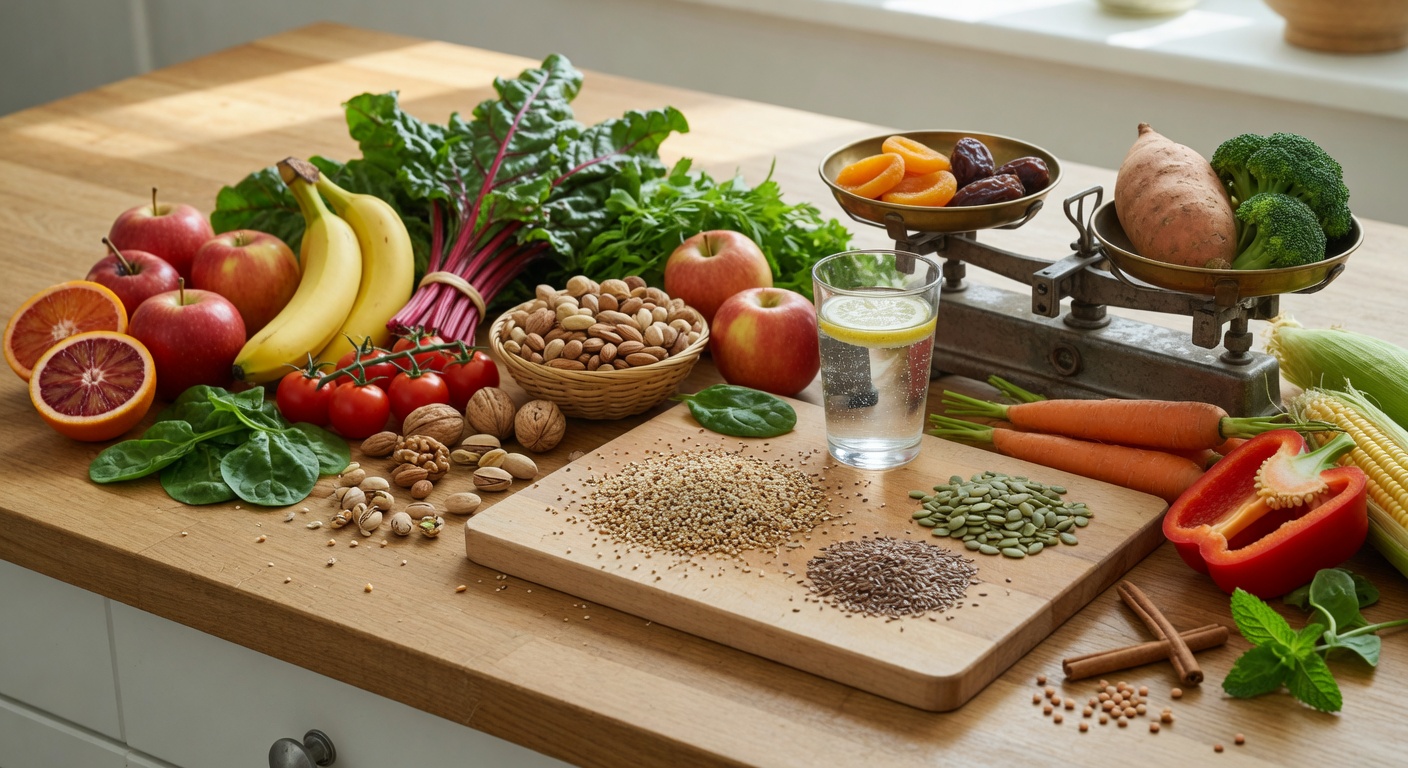
Simple nutrition hacks for sustained energy
24/05/2026
Understanding Nutrition and Energy
Nutrition plays a crucial role in determining our energy levels throughout the day. The food we consume provides the essential nutrients our bodies need to function effectively, and understanding the basics of nutrition helps us fuel our bodies for sustained energy. When we eat, our digestive system breaks down the food into smaller molecules, which are then absorbed and converted into energy by our cells. This process is vital for maintaining physical activity, cognitive function, and overall well-being.
The body relies on several key energy sources derived from the macronutrients in our diet: carbohydrates, fats, and proteins. Carbohydrates are the primary and most efficient source of energy. They are broken down into glucose, which is readily used by cells for immediate energy. Complex carbohydrates, found in foods like whole grains and vegetables, provide a slower, more sustained release of glucose, helping to maintain consistent energy levels over time. On the other hand, simple sugars offer quick bursts of energy but often lead to rapid declines that can leave you feeling tired.
Fats are another important energy source, especially during prolonged activities or periods when carbohydrate stores are low. They provide more than double the energy per gram compared to carbohydrates and proteins but are metabolized more slowly. Including healthy fats in your diet, such as those from avocados, nuts, and olive oil, helps supply your body with long-lasting energy that supports endurance and overall metabolic health.
Proteins mainly serve to repair and build tissues, but they can also be used for energy when carbohydrate and fat sources are insufficient. A balanced intake of protein supports muscle maintenance and recovery, which is essential for sustained physical performance and energy.
To achieve sustained energy throughout the day, it is important to balance your meals with a combination of these macronutrients. Focusing on nutrition basics such as consuming whole, minimally processed foods and staying hydrated will help regulate blood sugar levels and optimize energy production. By understanding how the body’s energy sources work and making conscious nutritional choices, you can enhance your vitality and maintain consistent energy levels without the crashes often associated with poor eating habits.
Macronutrients and Their Role in Energy
Carbohydrates, proteins, and fats are the three essential macronutrients that play a critical role in energy production and sustaining energy levels throughout the day. Carbohydrates are the body’s preferred and most immediate source of energy. Once consumed, they are broken down into glucose, which fuels cellular activities and maintains optimal bodily functions. This quick energy release helps to boost alertness and stamina, especially during physical and mental activities.
Proteins contribute to sustained energy by supporting muscle repair and maintenance, which is vital during prolonged periods of activity. While not the primary energy source, proteins can be converted into glucose through a process called gluconeogenesis when carbohydrate stores are low, thus preventing energy depletion and fatigue. Moreover, proteins help in the production of enzymes and hormones that regulate metabolism and energy balance.
Fats provide the most concentrated source of energy among macronutrients and are essential for long-term energy production. They are metabolized at a slower rate, offering a steady release of energy that supports endurance and prolonged activity. Fats also play a crucial role in the absorption of fat-soluble vitamins and the protection of vital organs. By incorporating a balanced intake of carbohydrates, proteins, and fats, you can achieve sustained energy levels throughout the day, enhancing overall vitality and performance.
Importance of Hydration
Hydration plays a crucial role in maintaining optimal energy levels throughout the day. When the body is properly hydrated, it can efficiently transport nutrients, regulate temperature, and remove waste – all vital functions that impact how energized you feel. Dehydration, even in mild forms, can lead to fatigue, reduced concentration, and decreased physical performance, making it harder to sustain energy for daily tasks.
Ensuring adequate water intake is one of the simplest yet most effective nutrition hacks for boosting energy. Drinking water regularly helps prevent the sluggishness that comes from dehydration. Experts recommend drinking at least eight 8-ounce glasses of water per day, but individual needs may vary based on factors such as activity level, climate, and overall health.
To maintain proper hydration, try carrying a reusable water bottle with you as a reminder to sip throughout the day. Infusing water with natural flavors like lemon or cucumber can make hydration more appealing. Additionally, consuming water-rich foods such as fruits and vegetables contributes to your overall water intake. By prioritizing hydration, you ensure your body has the fluid balance it needs to keep energy levels steady and support your overall well-being.
Simple Nutrition Hacks for Sustained Energy
Maintaining steady energy throughout the day can often feel like a challenge, but with the right nutrition hacks, you can easily boost and sustain your vitality. Energy tips based on healthy eating habits are simple to integrate into any lifestyle, and they can significantly improve your overall endurance and focus.
One of the best energy boosters is to prioritize balanced meals that combine complex carbohydrates, lean proteins, and healthy fats. Complex carbs such as whole grains and legumes provide a slow and steady release of glucose, which fuels your body without the crash that comes from simple sugars. Incorporating proteins like chicken, fish, or plant-based options help repair tissues and maintain muscle strength, which supports sustained energy levels.
Hydration is another essential factor in maintaining energy. Even mild dehydration can lead to fatigue and reduced concentration. Drinking water consistently throughout the day keeps your metabolism active and supports nutrient transport to your cells. Infusing water with lemon or fresh herbs can also make hydration more enjoyable without added sugars.
Snacking smartly between meals can prevent energy dips. Choose snacks rich in fiber and protein, such as nuts, seeds, or Greek yogurt. These choices provide a steady release of energy and help avoid the sluggish feeling caused by sugary or highly processed snacks. Avoiding excessive caffeine is also crucial—while it can offer a quick pick-me-up, it may result in a mid-day crash that disrupts your energy flow.
Lastly, don’t forget the power of micronutrients. Vitamins and minerals such as B vitamins, iron, and magnesium support energy production at the cellular level. Including a variety of colorful fruits and vegetables in your diet helps supply these essential nutrients naturally. By following these simple nutrition hacks and energy tips, you can create a healthy eating routine that boosts your energy and keeps you feeling vibrant all day long.
Smart Snacking for Steady Energy
Choosing the right healthy snacks between meals is key to maintaining steady energy levels and avoiding those common mid-day crashes. The best energy snacks combine a balance of protein, fiber, and healthy fats to keep you feeling full and energized longer. Nutritious snacks like a handful of almonds, Greek yogurt with berries, or apple slices with peanut butter provide a steady release of energy without the spike and drop that sugary treats cause.
Energy snacks that include complex carbohydrates, such as whole grain crackers or a small portion of oatmeal, are also excellent choices. These foods digest slowly, helping to maintain blood sugar levels and sustain your focus throughout the day. Incorporating vegetables like carrot sticks or cucumber slices with hummus adds fiber and vitamins, making for a satisfying, nutrient-rich snack.
Avoid snacks high in refined sugars or simple carbs, as these can quickly lead to energy crashes. Instead, aim for snacks that nourish your body and mind, supporting all-day productivity. Remember, smart snacking with nutritious snacks helps stabilize your energy, reducing the urge to overeat during main meals and supporting overall wellness.
Timing Your Meals Effectively
Adjusting your meal timing is a powerful strategy to optimize your energy levels throughout the day. By aligning your eating schedule with your body’s natural rhythms, you can sustain steady energy and avoid the common energy dips that occur after irregular or delayed meals.
Start by consuming a balanced breakfast shortly after waking up to kickstart your metabolism and set a positive tone for your energy. Then, space your meals evenly every 3 to 4 hours. This consistent meal timing helps maintain stable blood sugar levels, preventing energy crashes and promoting mental clarity.
Incorporating healthy snacks between meals can also support sustained energy, particularly if your schedule requires long periods between main meals. Focus on nutrient-dense options that combine protein, healthy fats, and fiber to keep your hunger in check and energy steady.
Be mindful of your body’s hunger cues and adjust your eating schedule accordingly, but avoid long gaps without food. Late-night eating should be minimized to support better sleep quality, which in turn enhances overall energy levels.
By prioritizing meal timing and creating a consistent eating schedule, you can harness the benefits of steady energy throughout the day, improve focus, and support overall well-being.
Incorporating Energy-Boosting Foods
Boosting your daily energy levels starts with the right nutrition for energy, focusing on energy foods that provide sustained fuel throughout the day. Incorporating superfoods known for their energizing properties can make a significant difference.
Some of the best energy foods include oats, which release carbohydrates slowly to keep blood sugar stable; nuts like almonds and walnuts, which are rich in healthy fats and protein; and fruits such as bananas and berries, packed with natural sugars, vitamins, and antioxidants. These foods help replenish energy and improve endurance without causing sudden spikes or crashes.
Green tea is another superfood that increases alertness and provides a gentle caffeine boost, complemented by antioxidants that support overall health. Leafy greens like spinach and kale supply iron, which is crucial for energy production in the body. Including these foods in your meals can be as simple as oatmeal with berries and nuts for breakfast, a spinach and kale salad for lunch, and a handful of almonds as a snack.
By consciously choosing these energy foods and superfoods to integrate into your daily diet, you can maintain consistent energy levels, improve focus, and support your body’s natural rhythms, making nutrition for energy an essential part of your lifestyle.

I’m a longtime fitness enthusiast who loves exploring practical habits that boost daily energy and confidence. Sharing simple, science‑backed routines that help men feel their best is what keeps me motivated every day.