

The Importance of Physical Activity Daily
21/10/2026
Men who want to stay sharp, powerful, and ready for the demands of work and family often overlook the simplest tool for sustained energy: consistent daily movement. A short burst of activity, even as brief as five to ten minutes, can trigger hormonal shifts that improve sleep quality, boost metabolism, and sharpen focus. Research shows that a modest routine can lower the risk of chronic disease, extend lifespan, and sharpen mental clarity, all without requiring a gym membership or hours of free time. The following guide breaks the process into clear, actionable stages so you can embed physical activity into your everyday habits without disrupting your schedule.
Assess Your Baseline and Set Realistic Goals
Start by measuring where you stand today. Use a simple step counter on your phone or smartwatch to record your average daily movement for a week; most sedentary men fall below 3,000 steps, while active individuals regularly exceed 7,000. Pair this data with a quick self‑assessment of how you feel after a typical day, note energy dips, sleep quality, and any lingering aches. With these numbers in hand, define a concrete target such as adding 2,000 steps or completing a 10‑minute routine three times a week. Setting a measurable goal creates a clear reference point and prevents the vague promise of “exercise more” that often fades quickly.
When establishing your objective, consider the time you can reliably spare. Research indicates that a minimum of five minutes of moderate activity can produce measurable health benefits, while ten minutes can improve deep sleep cycles. Choose a goal that aligns with these thresholds, for example, a 10‑minute brisk walk before dinner or a quick body‑weight circuit after waking. By anchoring your aim to a specific duration, you make the habit easier to schedule and more likely to stick, especially when life throws unexpected demands your way.
Choose the Right Type of Movement for Energy and Strength
Not every exercise suits the busy man seeking both vigor and functional strength. Focus on movements that engage large muscle groups and elevate heart rate without demanding specialized equipment. Examples include jumping jacks, push‑ups, kettlebell swings, or a fast‑paced stair climb. These exercises trigger the release of endorphins and testosterone, hormones that support muscle maintenance and mental alertness. If you prefer low‑impact options, cycling on a stationary bike or brisk walking with interval bursts can deliver similar cardiovascular gains while sparing joints.
Tailor your selection to personal preferences and any existing limitations. A man with a history of lower‑back issues might favor core‑centric routines such as planks and bird‑dogs, while someone aiming to boost explosive power could incorporate short sprints or box jumps. The key is to choose activities that feel rewarding, because enjoyment directly influences consistency. Rotate between two or three variations each week to keep the routine fresh and to challenge different muscle groups, thereby promoting balanced development and preventing plateau.
Build a 10‑Minute Core Routine That Fits Your Day
Design a compact session that can be performed anywhere, whether in the garage, office break room, or bedroom. Begin with a two‑minute warm‑up of dynamic stretches like leg swings and arm circles to prepare joints and increase blood flow. Follow with four minutes of compound movements, such as 30 seconds of push‑ups, 30 seconds of squat jumps, repeated, then transition to a two‑minute core block featuring planks, side planks, and bicycle crunches. Conclude with a minute of controlled breathing to lower heart rate and signal the body to shift toward recovery.
On Tone and Tighten, they cover core strengthening exercises – you can watch a follow-along 10-minute workout right here.
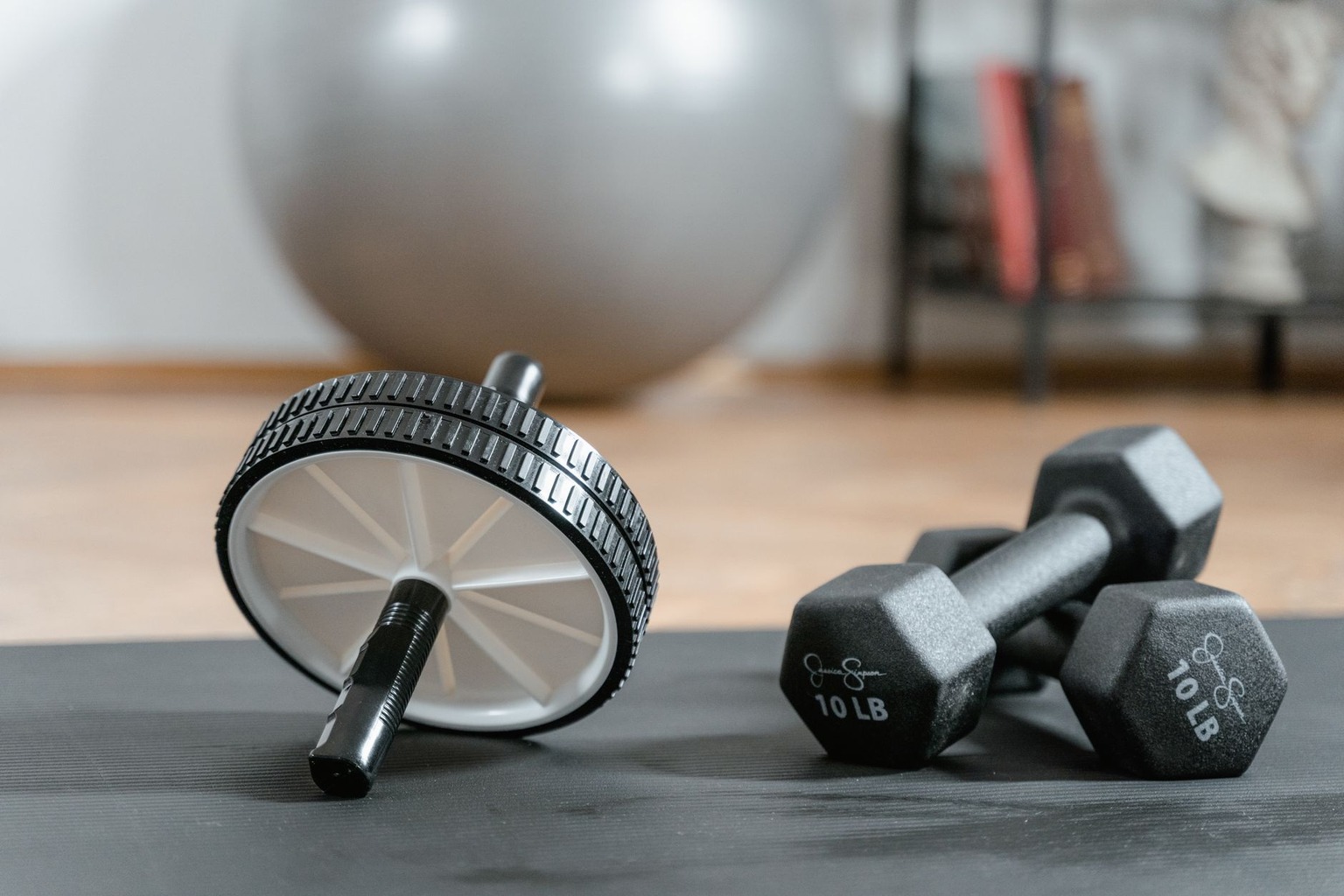
Timing matters: research shows that a ten‑minute session performed consistently can deepen the proportion of restorative sleep, allowing muscles to repair and hormones to reset. To make the routine stick, place visual cues in strategic spots, post‑it notes on the bathroom mirror or a reminder on your phone calendar. Treat the session as a non‑negotiable appointment, just like a business meeting, and you will gradually notice increased stamina during daily tasks and a clearer mind during evening unwind time.
Integrate Activity Into Everyday Tasks
Beyond the dedicated routine, weave movement into routine chores to accumulate extra minutes without feeling like extra work. Park two spaces farther from the office entrance, take the stairs instead of the elevator, or perform calf raises while waiting for coffee to brew. Even a quick set of lunges while watching TV can add up; ten repetitions per leg every half hour translates to several hundred additional steps by day’s end. These micro‑bursts keep metabolism active and prevent the sluggish feeling that often follows prolonged sitting.
Leverage technology to reinforce these habits. Many smartphones now offer “move reminders” that nudge you to stand after a set period of inactivity. Pair this with a simple habit‑stacking technique: after each bathroom break, do a set of 10 squats before returning to work. Over weeks, the body adapts, and the effort feels almost automatic. By turning ordinary moments into mini‑workouts, you amplify total activity without sacrificing precious time for family or hobbies.
Track Progress and Adjust Intensity
Monitoring results is essential for staying motivated and ensuring the routine remains effective. Use a journal or a digital app to log daily steps, minutes of exercise, perceived energy levels, and sleep quality. Look for patterns, perhaps you notice that on days you complete the ten‑minute routine, you fall asleep faster and wake feeling refreshed. If progress stalls, incrementally increase intensity by adding a few extra repetitions, shortening rest periods, or incorporating a heavier weight.

Periodically reassess your baseline measurements. After four weeks, repeat the step‑count test and compare it to your starting point; a rise of 1,500 to 2,000 steps indicates meaningful improvement. Similarly, evaluate how your strength feels during everyday tasks like lifting groceries or playing with kids. Adjust the routine every six to eight weeks to prevent adaptation, which can blunt the benefits. This systematic approach turns vague aspirations into concrete evidence of growth, reinforcing the habit loop.
Avoid Common Pitfalls and Keep Motivation High
Many men abandon new activity plans because they set unrealistic expectations or overlook recovery. One frequent mistake is attempting to perform high‑intensity workouts every day, which can lead to fatigue, joint strain, and eventual burnout. Instead, schedule active days interspersed with lighter movement or mobility work, allowing muscles to repair and hormones to stabilize. Another trap is ignoring the importance of proper footwear; supportive shoes reduce injury risk and improve overall performance, especially when walking or running on hard surfaces.
To sustain enthusiasm, celebrate small victories and vary the environment. Switch from a backyard circuit to a park trail, or invite a friend to join for a weekend hike. Social accountability amplifies commitment, and new scenery keeps the brain engaged. Finally, remind yourself of the tangible benefits you’ve already experienced, whether it’s deeper sleep, sharper focus at work, or more stamina for family activities. By recognizing these gains, you reinforce the value of daily movement and make it an integral part of a thriving masculine lifestyle.

I’m a longtime fitness enthusiast who loves exploring practical habits that boost daily energy and confidence. Sharing simple, science‑backed routines that help men feel their best is what keeps me motivated every day.