
The Importance of Recovery and Rest
23/08/2026
The Role of Recovery in a Healthy Lifestyle
In the pursuit of an active and energetic lifestyle, recovery is often overshadowed by the drive for performance and productivity. However, understanding the importance of recovery and rest can significantly enhance overall well-being, especially for men who engage in rigorous daily routines. Recovery is not merely a pause from activity; it is a strategic process that allows the body to heal, rejuvenate, and prepare for future challenges. By incorporating effective recovery strategies into daily habits, men can optimize their physical and mental health, ensuring they remain energized and engaged in their pursuits.
As a concierge sports and performance psychiatrist working with high-performing athletes, I have seen firsthand that both mental and physical recovery are just as important as training and competition.
Brook Choulet, Concierge Sports Performance Psychiatrist — forbes.com
Types of Recovery: Active vs. Passive
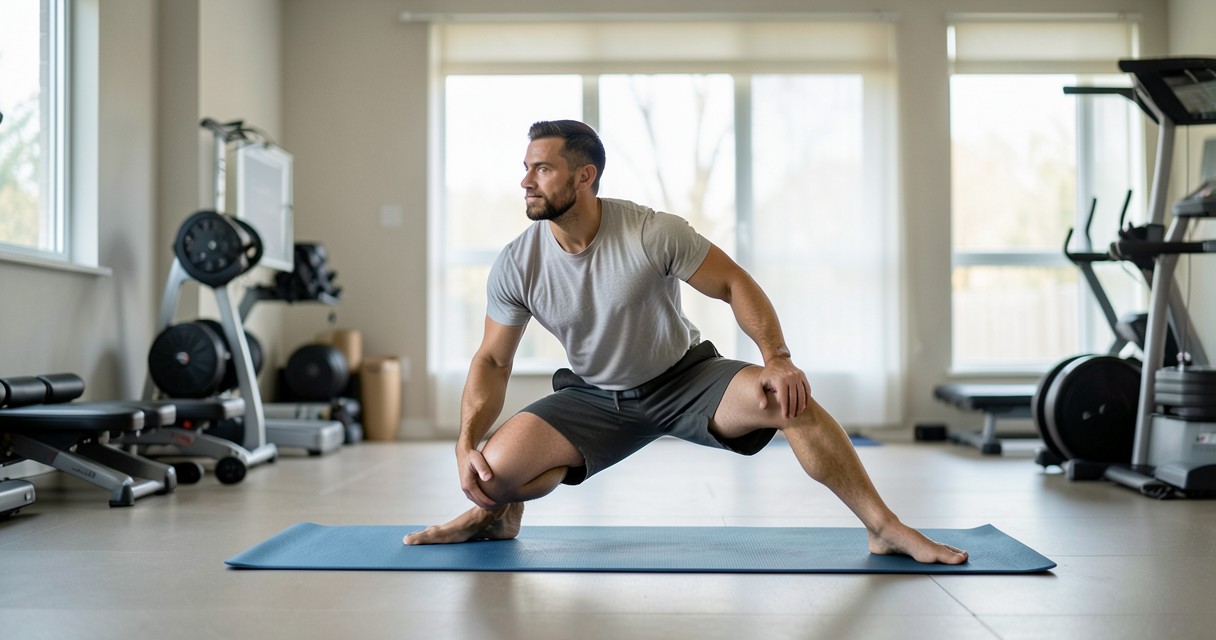
Recovery can be categorized into two main types: active and passive. Active recovery involves engaging in low-intensity activities that promote blood circulation and muscle recovery, such as light jogging, cycling, or yoga. This type of recovery helps reduce muscle soreness and stiffness, enabling men to maintain their fitness levels while allowing for recovery. On the other hand, passive recovery focuses on complete rest, where the body is allowed to recuperate without any physical strain. This could include taking a day off from exercise or indulging in restful activities like reading or meditation. Understanding the balance between active and passive recovery is crucial for tailoring a recovery plan that suits individual lifestyles and fitness goals.
Sleep: The Cornerstone of Recovery
Quality sleep is one of the most vital components of recovery. During sleep, the body undergoes essential processes such as muscle repair, hormone regulation, and cognitive function restoration. For men, who often face high levels of stress and physical exertion, prioritizing sleep can lead to improved energy levels and better performance in daily activities. Aim for 7-9 hours of quality sleep each night, and establish a consistent sleep schedule to enhance sleep quality. Simple practices such as creating a relaxing bedtime routine, limiting screen time before bed, and maintaining a comfortable sleep environment can significantly impact recovery and overall well-being.

Nutritional Strategies for Enhanced Recovery
Nutrition plays a crucial role in recovery, particularly in replenishing the body’s energy stores and repairing muscle tissues. Consuming a balanced diet rich in protein, healthy fats, and carbohydrates can support recovery efforts. Protein is essential for muscle repair, while carbohydrates help restore glycogen levels after intense workouts. Foods like lean meats, fish, nuts, whole grains, and plenty of fruits and vegetables should be staples in a man’s diet. Additionally, hydration is key; water aids in digestion and nutrient absorption, so staying well-hydrated before, during, and after exercise is vital for optimal recovery.
Mental Recovery: The Overlooked Aspect
Mental recovery is just as important as physical recovery, especially for men balancing work, family, and fitness. Stress management techniques such as mindfulness, meditation, and deep breathing exercises can help alleviate mental fatigue and enhance cognitive function. Taking time to engage in activities that bring joy, such as hobbies or spending time with loved ones, can also contribute to mental well-being. Incorporating moments of mindfulness throughout the day, whether through short meditation sessions or simply taking a moment to breathe deeply, can significantly improve overall energy levels and focus.
Recovery Tools and Techniques
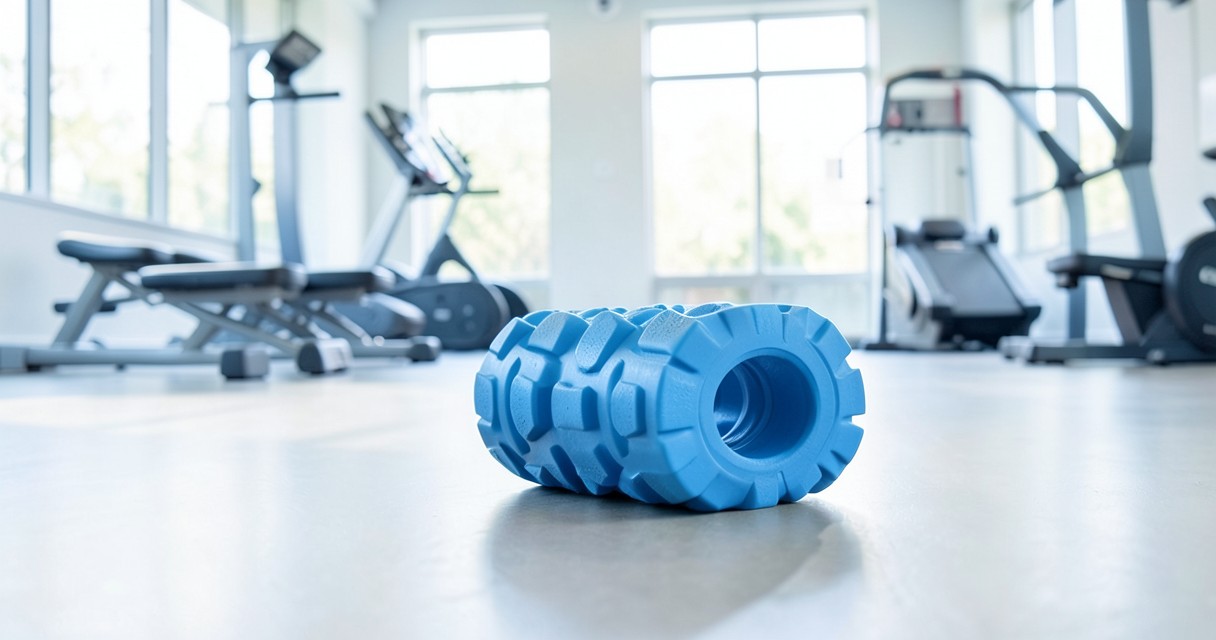
In today’s fitness landscape, various tools and techniques are available to aid recovery. Foam rollers, for example, can help alleviate muscle tightness and improve flexibility through self-myofascial release. Compression garments can enhance blood circulation and reduce muscle soreness post-exercise. Additionally, massage therapy, whether through professional sessions or self-massage techniques, can promote relaxation and accelerate recovery. Consider experimenting with these tools to find what works best for your body and recovery needs.
When to Prioritize Recovery
Recognizing the signs that indicate a need for recovery is essential for maintaining a healthy lifestyle. If you experience persistent fatigue, decreased performance, or increased irritability, these may be signals that your body requires more rest. Additionally, if you notice recurring injuries or prolonged muscle soreness, it may be time to adjust your training regimen to incorporate more recovery time. Listening to your body and understanding when to prioritize recovery can prevent burnout and promote long-term health and fitness.

I’m a longtime fitness enthusiast who loves exploring practical habits that boost daily energy and confidence. Sharing simple, science‑backed routines that help men feel their best is what keeps me motivated every day.