
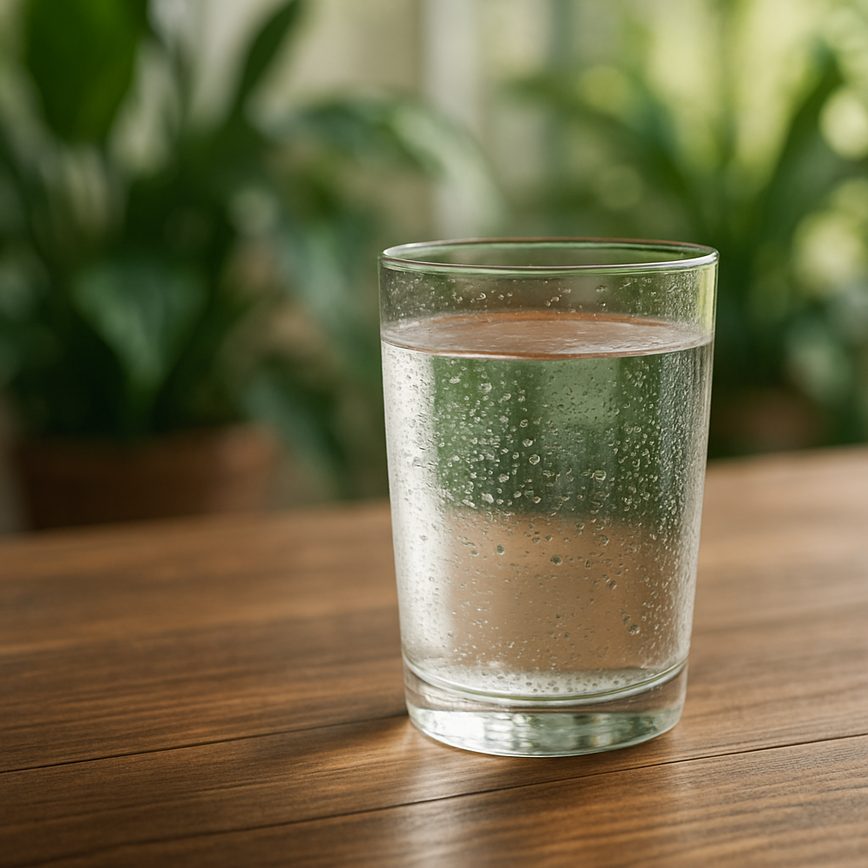
Tips for healthy hydration throughout the day
29/04/2026
Understanding the Importance of Hydration
Staying properly hydrated is one of the simplest yet most impactful ways to support overall health and wellbeing. Hydration benefits extend to nearly every system within the body, playing a critical role in maintaining optimal function. Water importance cannot be overstated, as it serves as the foundation for many essential biological processes.
The human body is comprised of about 60% water, making healthy hydration fundamental to sustaining life. Every cell, tissue, and organ relies on water to perform their duties effectively. For instance, proper hydration aids in regulating body temperature through sweating and respiration, helping to keep the internal environment stable and balanced.
Beyond temperature control, water is essential for transporting nutrients and oxygen to cells and facilitating the removal of waste products through urine and sweat. This cleansing function helps prevent toxins from accumulating in the body and supports kidney function. Without adequate hydration, these processes become less efficient, increasing the risk of fatigue, headaches, and other health issues.
Hydration also has a profound impact on physical performance and cognitive function. Dehydration, even at mild levels, can lead to reduced concentration, slower reaction times, and impaired memory. Staying hydrated helps boost energy levels and supports mental clarity, which is why water importance is often emphasized for maintaining productivity throughout the day.
Additionally, water plays a vital role in joint health and digestion. It lubricates joints, reducing discomfort and enhancing mobility, while also aiding the digestive system by helping dissolve nutrients and supporting regular bowel movements. Healthy hydration keeps the digestive tract functioning smoothly and reduces the risk of constipation.
Incorporating regular water intake into daily routines ensures that the body’s hydration needs are met. This simple practice leads to improved skin health, better immune system function, and overall greater vitality. Understanding the importance of hydration encourages habits that sustain long-term health and well-being.
How Hydration Affects Body Functions
Hydration plays a crucial role in maintaining optimal body functions and overall health. One of the primary hydration effects is on digestion. Water aids in the breakdown of food, helping dissolve nutrients so they can be absorbed efficiently into the bloodstream. Proper hydration also prevents constipation by softening stools, allowing smooth bowel movements and promoting gut health.
Energy levels are directly influenced by hydration. When the body is dehydrated, it struggles to transport oxygen and nutrients to cells, resulting in fatigue and reduced stamina. Staying well-hydrated supports cellular function and metabolism, which enhances energy production. Drinking enough water throughout the day helps maintain alertness and reduces feelings of tiredness, enabling you to stay active and productive.
Mental clarity is another vital aspect supported by hydration. The brain consists largely of water, and even mild dehydration can impair concentration, short-term memory, and cognitive performance. Adequate water intake ensures that neurotransmitters and enzymes involved in brain function operate smoothly, leading to improved focus and mental agility. By understanding the water role in these body functions, prioritizing hydration can significantly boost your physical and mental well-being.
Signs of Dehydration to Watch For
- Dry mouth and throat: One of the earliest and most common dehydration symptoms, dry mouth occurs due to a lack of saliva production caused by water deficiency. This sign alerts you to the need for increased fluid intake to maintain comfort and oral health.
- Fatigue and dizziness: When hydration signs are ignored, water deficiency can lead to decreased blood volume, resulting in fatigue and dizziness. Recognizing these symptoms early can prevent more severe complications like fainting.
- Dark yellow urine: Urine color is a reliable indicator of hydration status. Dark yellow or amber urine signals dehydration, whereas pale yellow suggests adequate hydration. Monitoring this sign helps ensure your body maintains its necessary fluid balance.
- Headache: A common symptom linked to dehydration, headaches arise when the brain temporarily contracts due to water loss. Noticing this sign can prompt timely hydration, reducing discomfort and maintaining focus.
- Dry skin and reduced sweating: Water deficiency affects the skin’s moisture levels and its ability to regulate temperature through sweating. Understanding this symptom highlights the importance of replenishing fluids for skin health and body temperature control.
- Rapid heartbeat and breathing: As dehydration worsens, the heart works harder to pump blood, and breathing rate can increase. These signs are crucial warnings that your body needs immediate hydration to avoid stress on vital organs.
Tips for Hydrating Effectively Throughout the Day
Maintaining healthy hydration habits is vital for your overall well-being, and incorporating effective hydration tips into your daily routine can significantly improve your energy levels, focus, and physical performance. To consistently meet your daily water intake goals, it’s important to adopt practical strategies that fit seamlessly into your lifestyle.
Start your day with a glass of water immediately after waking up. This simple habit jumpstarts your hydration and helps flush out toxins that your body processed overnight. Keeping a reusable water bottle within easy reach throughout the day encourages regular sipping — a great way to remind yourself to drink consistently without waiting until you feel thirsty.
Set timed reminders on your phone or smartwatch to take hydration breaks every hour. This technique is especially handy during busy workdays or when engaging in tasks that distract you from noticing your fluid needs. Pair these reminders with stretching or standing up to boost circulation, which enhances absorption and utilization of water in your body.
Incorporate hydrating foods such as cucumbers, watermelon, oranges, and leafy greens into your meals and snacks. These foods contribute to your overall daily water intake while providing essential vitamins and minerals that support healthy hydration habits. Eating balanced meals also aids in retaining fluids better throughout the day.
During physical activities or hot weather, increase your water consumption accordingly to compensate for higher fluid loss. Avoid waiting until dehydration symptoms appear; instead, drink water before, during, and after exercise. Electrolyte-infused beverages can be helpful for long or intense workouts to replenish lost minerals.
Finally, monitor your urine color as a simple indicator of hydration status — pale yellow generally signals good hydration, while darker shades suggest the need for more fluids. By integrating these hydration tips into your routine, you can ensure consistent daily water intake and foster long-lasting healthy hydration habits that support your lifestyle.
Setting Hydration Goals and Reminders
One effective way to maintain healthy hydration throughout the day is by setting clear hydration goals. Start by determining a daily hydration target that suits your body’s needs — this could be a specific number of ounces or liters of water to consume each day. Tracking your progress toward these hydration goals helps create awareness and motivation to drink enough fluids regularly.
To keep on top of your daily hydration, consider using water reminders. These can be set through smartphone apps, wearable devices, or simple alarms. Regular prompts serve as helpful cues to take a moment to drink water, especially during busy or sedentary periods when it’s easy to forget. Some hydration apps even allow you to log each glass of water, giving you a visual record of your intake throughout the day.
Consistently monitoring your hydration status and adhering to reminders can significantly improve your overall water consumption habits. Building these strategies into your routine encourages regular sipping rather than large infrequent drinks, which is more beneficial for your body’s absorption and hydration. In this way, setting hydration goals and leveraging water reminders together create a sustainable path toward optimal daily hydration.
Incorporating Hydrating Foods and Beverages
Maintaining a water rich diet is essential for overall hydration, but it’s equally important to include hydrating foods and healthy drinks in your daily routine. Many fruits and vegetables have high water content and can significantly contribute to your hydration levels. For example, cucumbers, watermelon, oranges, strawberries, and lettuce are excellent choices that not only refresh but also provide vital nutrients and electrolytes.
In addition to plain water, consuming healthy drinks such as herbal teas, coconut water, and diluted natural fruit juices can enhance hydration without adding unnecessary sugars or artificial ingredients. Herbal teas like peppermint or chamomile can be consumed hot or cold, making them a versatile hydration option throughout the day. Coconut water is especially beneficial because it contains natural electrolytes like potassium, which help maintain fluid balance in the body.
Incorporating hydrating foods and beverages into your diet helps ensure that you stay well-hydrated beyond just drinking water. Soups and smoothies made with fresh vegetables and fruits are also excellent ways to boost hydration while enjoying delicious and nutrient-packed meals. By focusing on a variety of water-rich foods and healthy drinks, you support your body’s hydration needs, promote better digestion, and enhance overall wellness throughout the day.
Common Hydration Mistakes and How to Avoid Them
Staying properly hydrated is essential for overall health, but many people unknowingly make hydration mistakes that can hinder their water intake and wellbeing. Identifying these water intake errors and learning practical hydration tips can significantly improve your daily hydration habits.
One common hydration mistake is waiting until you feel thirsty to drink water. Thirst is actually a sign that your body is already beginning to experience dehydration. To avoid this, try to sip water regularly throughout the day instead of drinking large amounts only when thirsty. Carrying a water bottle with you can serve as a timely reminder to keep your fluids up.
Another frequent water intake error is consuming too many sugary or caffeinated beverages instead of water. While coffee and sodas can contribute to your fluid intake, they may also have diuretic effects or add unnecessary calories and sugars. The best hydration tip here is to prioritize plain water and herbal teas, reserving caffeinated drinks for occasional consumption.
Many people also make the mistake of not adjusting their water intake based on activity levels and environmental conditions. On hot days or during exercise, the body loses more water through sweat and requires increased hydration. Make a point to drink extra fluids during these times to replenish what is lost and maintain optimal hydration.
Relying solely on water isn’t always enough either. Electrolytes like sodium and potassium play a vital role in hydration balance, especially after intense exercise or illness. Incorporating electrolyte-rich drinks or foods can help avoid dehydration caused by an imbalance of fluids and minerals.
Lastly, ignoring individual hydration needs based on age, health status, and lifestyle is a crucial oversight. For example, older adults may have a reduced sense of thirst and need conscious reminders to drink water regularly. Keep track of your water intake with apps or journals if necessary, ensuring your hydration aligns with your personal needs.
By recognizing these common hydration mistakes and implementing simple yet effective fixes, you can significantly enhance your daily water intake. Consistently applying these hydration tips will support your health, energy levels, and overall wellbeing.
Overhydration and Its Risks
While staying hydrated is essential for good health, overhydration can pose serious risks. Also known as water intoxication, overhydration occurs when you consume excessive amounts of water, diluting the sodium levels in your blood. This imbalance, called hyponatremia, can cause symptoms ranging from mild headaches and nausea to severe complications like seizures, brain swelling, and even coma.
Recognizing the hydration risks associated with drinking too much water is important for maintaining balance. The body typically signals its need for fluids through thirst, so listening to these natural cues is a good practice. Additionally, factors like intense exercise, extreme heat, or certain health conditions may increase fluid needs, but it’s crucial not to overcompensate.
To avoid overhydration, aim to drink water steadily throughout the day rather than large amounts at once. Monitoring the color of your urine can also be a helpful indicator—light yellow generally signals adequate hydration, while completely clear urine might indicate excess water intake. Balancing water consumption with electrolytes, especially during extended physical activity, further helps maintain proper hydration without risking water intoxication.
Ignoring Individual Hydration Needs
It’s essential to recognize that personal hydration needs vary significantly from one person to another. Factors such as lifestyle, activity level, climate, and overall health influence individual water intake requirements. Ignoring these differences and adhering to a generic daily water consumption guideline can lead to either dehydration or overhydration, both of which may negatively impact wellbeing.
Active individuals, for example, who engage in regular exercise or labor-intensive work, require more fluids to compensate for the water lost through sweat. Similarly, those living in hot or dry environments need to increase their hydration to maintain optimal bodily functions. Conversely, people with a predominantly sedentary lifestyle or residing in cooler climates may not need as much water.
Understanding your unique hydration needs involves paying attention to your body’s signals such as thirst, urine color, and energy levels. Adjusting your water intake based on these indicators and environmental conditions ensures that you remain well-hydrated without overconsumption. Prioritizing personal hydration tailored to your lifestyle and environment supports better health, improves physical and cognitive performance, and boosts overall vitality.

I’m a longtime fitness enthusiast who loves exploring practical habits that boost daily energy and confidence. Sharing simple, science‑backed routines that help men feel their best is what keeps me motivated every day.