
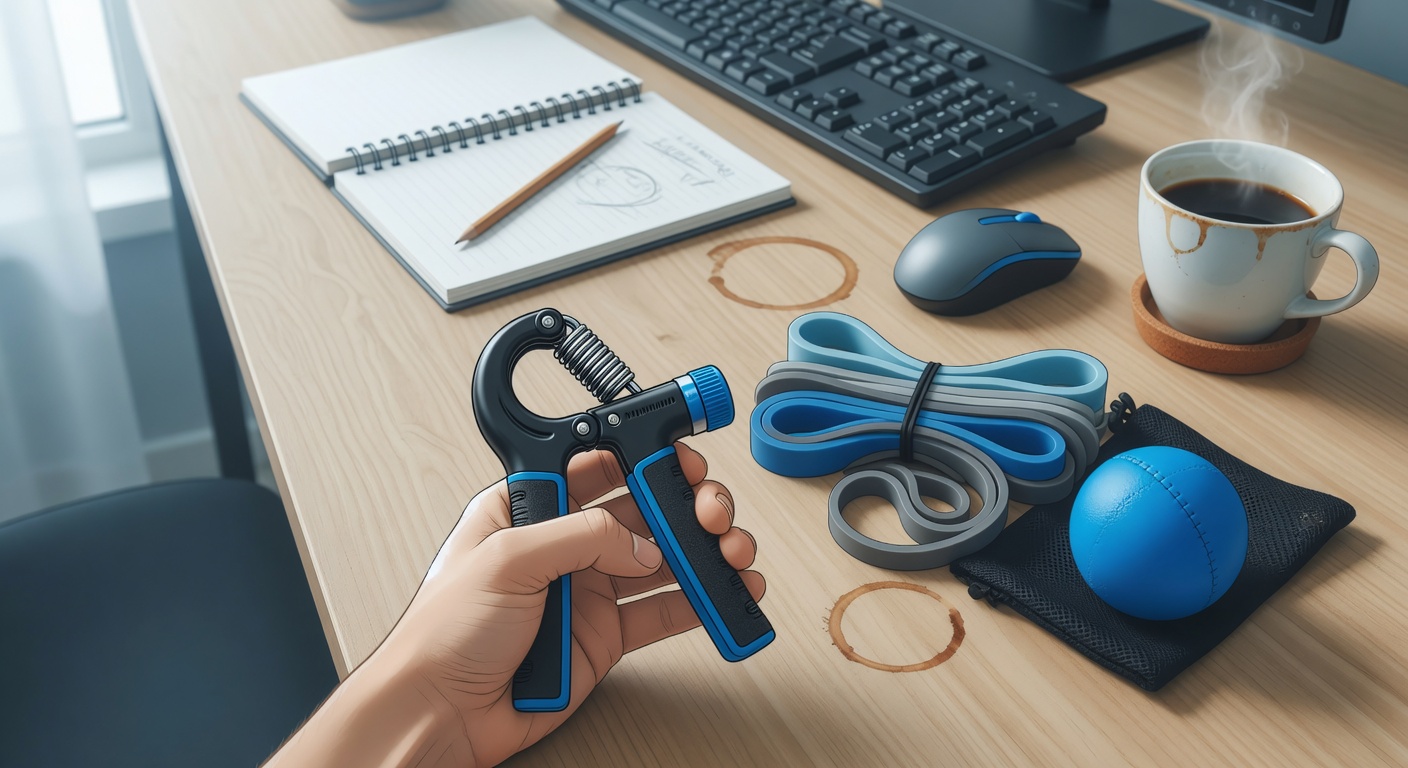
Quick exercises to do at your desk
23/05/2026
Benefits of Doing Quick Desk Exercises
Incorporating quick exercises into your daily office routine offers a wide range of desk exercises benefits that enhance both physical and mental well-being. When you break up long periods of sitting with short bursts of movement, you activate muscles that would otherwise remain inactive, helping to reduce stiffness and increase blood circulation throughout the body.
One of the primary office workout advantages is improved posture. Sitting for extended periods often leads to slouching and strain on the neck and back muscles, which can cause chronic pain and discomfort. Quick desk exercises targeting these areas help strengthen core and back muscles, supporting better alignment and reducing the risk of musculoskeletal problems.
Beyond physical benefits, health at desk exercises also promote mental clarity and focus. Physical activity stimulates the release of endorphins and improves oxygen flow to the brain, which can decrease feelings of stress, anxiety, and fatigue often experienced during intensive work sessions. This boost in mental energy helps improve productivity and enhances creativity, making it easier to tackle demanding tasks with a fresh perspective.
Moreover, regular quick exercises at your desk can contribute to long-term health improvements, including weight management, better cardiovascular health, and lower risk of chronic illnesses such as diabetes and hypertension. These simple movements help combat the negative effects of prolonged sedentary behavior, which is increasingly linked to serious health issues.
In summary, the desk exercises benefits you gain from incorporating brief, frequent movements into your office routine go beyond physical health to include substantial psychological advantages. Whether improving posture, reducing stress, or boosting energy levels, the office workout advantages make it a valuable habit for maintaining overall health at desk and ensuring your workday is as productive and comfortable as possible.
Improved Posture and Reduced Pain
Desk exercises play a crucial role in improving posture and reducing back pain, especially for those who spend long hours sitting at their desks. Poor posture often results from prolonged sitting and contributes to muscle stiffness and discomfort, primarily in the neck, shoulders, and lower back. By incorporating simple movements and stretches into your workday routine, you can counteract these negative effects effectively.
Regular desk exercise benefits include the strengthening of core muscles and the realignment of the spine to its natural posture. As these muscles become stronger and more engaged, individuals experience less slouching and rounding of the shoulders, which commonly lead to chronic pain. Improved posture not only alleviates tension but also increases overall comfort and productivity at work.
Additionally, these exercises promote better circulation and reduce muscle fatigue, which helps diminish the risk of developing musculoskeletal disorders associated with sedentary work. When you actively work to improve posture through targeted movements throughout the day, you reduce the pressure on your back and neck, which significantly lowers the likelihood of persistent pain. Ultimately, making desk exercises a regular habit is an effective way to maintain your physical well-being while enjoying the benefits of improved posture and reduced back pain.
Boosted Energy and Focus
Incorporating quick exercises into your daily routine at the office is a highly effective way to boost energy and increase focus. These simple office exercises, which can be done right at your desk, help to elevate your heart rate and stimulate blood circulation. This increase in circulation delivers more oxygen and nutrients to your brain, which can significantly improve your concentration and mental sharpness throughout the workday.
When you take short breaks to engage in these movements, you not only break the monotony of sitting but also recharge your body and mind. This revitalization reduces feelings of sluggishness and fatigue that often occur during long hours of desk work. Exercises like seated leg lifts, shoulder shrugs, and neck stretches are simple yet powerful tools to boost energy instantly.
Regularly performing these quick exercises helps create a healthier work environment by minimizing stress and enhancing productivity. As your body becomes more active, your ability to maintain focus improves, enabling you to tackle tasks more efficiently. Ultimately, office exercises are not just about physical health—they are essential for sustaining mental clarity and energy levels in a demanding work setting.
Quick and Effective Desk Exercises
- Seated Spinal Twist: Sit upright with your feet flat on the floor. Place your right hand on the back of your chair and your left hand on your right thigh. Gently twist your torso to the right, hold for 10 seconds, then return to center. Repeat on the left side. This office workout helps improve spinal mobility and relieves tension.
- Chair Squats: Stand up from your chair, then lower yourself back down as if sitting, but stop just before touching the seat. Perform 10-15 repetitions. This quick exercise targets your legs and glutes, boosting circulation and energy.
- Neck Stretches: Slowly tilt your head towards your right shoulder, hold for 10 seconds, then switch to the left side. Next, gently drop your chin to your chest and hold. These desk exercises reduce neck stiffness caused by prolonged sitting.
- Seated Leg Lifts: Sit straight and lift one leg at a time, holding it parallel to the floor for 5 seconds. Lower it gently and alternate legs for 10-15 reps each side. This strengthens your thighs and improves circulation.
- Wrist and Finger Stretches: Extend your arm with the palm facing up, gently pull back your fingers with the other hand, hold for 10 seconds, then switch. Also, make fists and release. This office workout is perfect for preventing stiffness from typing.
- Shoulder Rolls: While sitting, roll your shoulders forward in a circular motion 10 times, then backward 10 times. This quick exercise eases shoulder tension and promotes better posture.
- Desk Push-ups: Stand at arm’s length from your desk, place your hands shoulder-width apart, and perform 10-15 push-ups against the desk. This strengthens your upper body with minimal effort.
- Ankle Circles: Lift one foot off the ground and rotate your ankle clockwise 10 times, then counter-clockwise 10 times. Switch legs. These desk exercises improve ankle flexibility and blood flow.
Incorporating these quick exercises into your daily routine can greatly improve your mobility and overall wellbeing. Regular office workouts not only help you stay active despite a sedentary job but also reduce muscle stiffness and enhance circulation. Try to perform these desk exercises several times a day to keep your body energized and healthy.
Seated Leg Lifts and Foot Stretches
Seated leg lifts and foot stretches are excellent desk leg exercises to enhance circulation and build leg strength while remaining seated. To perform seated leg lifts, sit upright in your chair with your back straight and feet flat on the floor. Slowly extend one leg out straight, hold it parallel to the ground for a few seconds, then gently lower it back down without letting your foot touch the floor. Repeat this lift 10 to 15 times for each leg, maintaining controlled movements. This exercise activates your quadriceps and helps prevent stiffness from prolonged sitting.
Foot stretches complement seated leg lifts perfectly by loosening tight muscles and promoting blood flow. Begin by pointing your toes forward as far as you can, then flex your foot back toward your body. Hold each position for 5 seconds, repeating the stretch 10 times per foot. Another effective stretch is to rotate your ankles in circular motions, first clockwise and then counterclockwise, to improve joint flexibility. These stretches support better circulation throughout your legs, reducing the risk of swelling and discomfort.
Incorporating seated leg lifts and foot stretches into your daily routine at your desk can substantially improve your leg strength and circulation without the need to stand up. These simple desk leg exercises are especially beneficial for office workers who spend long hours sitting. By dedicating a few minutes multiple times a day to these movements, you enhance muscle tone, reduce fatigue, and promote overall leg health, making your workday more comfortable and productive.
Neck and Shoulder Rolls
Spending long hours at your desk can cause tightness and discomfort in your neck and shoulders. Performing gentle neck rolls and shoulder rolls can be an effective way to relieve this tension and improve your posture. These simple desk stretches help to increase blood flow and reduce stiffness, making it easier to stay focused and productive throughout the day.
To begin neck rolls, sit up straight in your chair with your feet flat on the floor. Slowly lower your chin toward your chest, then gently roll your head to the right, bringing your ear towards your shoulder. Continue rolling your neck back and to the left, and then return to the starting position. Perform this movement slowly and smoothly for 5 to 10 repetitions, avoiding any sudden or painful motions.
Next, move on to shoulder rolls by lifting your shoulders toward your ears, then gently rolling them backward in a circular motion. After completing several backward rolls, reverse the direction and roll your shoulders forward. Aim for 10 rolls in each direction. These shoulder rolls help to release tension caused by slouching and improve upper body mobility.
Incorporating these neck rolls and shoulder rolls into your regular routine at the desk can help you stay comfortable and reduce the risk of strain-related discomfort. Try to perform these desk stretches every hour or whenever you feel tightness building up, and you’ll notice a positive difference in your overall well-being.
Wrist and Finger Exercises
Taking regular breaks to perform simple wrist stretches and finger exercises is essential for preventing stiffness and promoting hand mobility during long hours at your desk. These desk hand workouts can relieve tension and reduce the risk of repetitive strain injuries.
Start with wrist stretches: extend one arm in front of you with your palm facing upward. Use your other hand to gently pull back on your fingers, stretching the underside of your wrist. Hold for 15-20 seconds and switch hands. Repeat this wrist stretch 2-3 times to improve flexibility.
Next, try wrist rotations. With your arms relaxed by your sides, slowly rotate your wrists in circles—10 times clockwise, then 10 times counterclockwise. This exercise enhances circulation and eases tension in the wrist joints.
For finger exercises, spread your fingers wide apart and hold for 5 seconds, then relax. Repeat this 10 times to improve finger mobility. Another effective desk hand workout is making a fist and then slowly opening your hand, stretching your fingers out as wide as possible. Perform this sequence 8-10 times.
Incorporating these wrist stretches and finger exercises into your typing breaks can keep your hands agile and pain-free. Consistent practice ensures better comfort and productivity throughout your workday.
Tips for Incorporating Desk Exercises into Your Day
Incorporating quick desk exercises into your daily work routine can be a game-changer for both your physical health and mental clarity. The key to consistency is to treat these exercises as an essential part of your office workout routine rather than an occasional add-on. Start by setting small, achievable goals such as stretching or doing a few chair squats every hour to build a sustainable habit.
One effective exercise tip is to use reminders. Whether it’s a calendar alert, a sticky note on your monitor, or a dedicated app, these prompts can help you remember to pause and move regularly. During meetings or long work sessions, take a two-minute break to perform simple stretches or seated leg lifts. This helps improve circulation and reduces stiffness without disrupting your workflow.
Create a dedicated desk exercise routine by selecting a few favorite movements that suit your workspace and comfort level. You might include neck rolls, shoulder shrugs, wrist stretches, and seated torso twists. The routine doesn’t need to be lengthy—just five to ten minutes a few times a day can make a significant difference in how you feel.
Another practical tip is to combine your exercises with daily tasks. For example, stand and stretch while on a phone call or do calf raises during breaks between intensive typing sessions. Pairing exercise with routine activities helps integrate movement naturally into your day, reducing the likelihood of neglecting your office workout tips.
Finally, be mindful of your posture throughout the day. Good posture complements your desk exercise routine by minimizing strain and promoting muscle engagement. Adjust your chair and monitor to comfortable positions and take frequent opportunities to shift your seating position or stand. With these strategies, incorporating desk exercises can become a seamless and beneficial part of your daily work habits.
Setting Reminders and Creating Routine
Maintaining a consistent desk exercise habit can be challenging without proper structure. One effective way to develop workout habits is by setting reminders throughout your workday. Reminders serve as helpful nudges to get you moving, preventing long periods of inactivity that can affect your health and productivity. By scheduling these prompts, you create a predictable pattern that reinforces your daily exercise routine.
Using digital tools like calendar alerts or smartphone notifications can make it easy to stay on track. When reminders are set at regular intervals, they help you cultivate discipline and make exercise a natural part of your workday. This consistency builds momentum, turning occasional movement into habitual behavior. Over time, these small efforts contribute significantly to your overall wellness.
Incorporating reminders into your schedule encourages you to prioritize active breaks, reducing sedentary time and boosting energy levels. A structured routine with dedicated exercise moments ensures that your workout habits do not get overlooked amidst work demands. Ultimately, setting reminders and creating a routine enhances commitment and makes daily exercises feel manageable and rewarding.
Using Office Equipment for Exercises
Office equipment can be a fantastic resource for an effective office equipment workout that fits seamlessly into your workday. Utilizing desk exercise props like chairs, desks, and even filing cabinets can help enhance your movement and stretch routines without needing extra space or special gear.
Start with chair exercises: your office chair can double as a workout tool by performing seated leg lifts or seated torso twists. The sturdy frame supports balance as you engage your core muscles. For a quick strength boost, try doing tricep dips using the edge of your desk or a stable chair armrest. These simple movements help tone arms and shoulders while staying productive.
Desks are also great for stretching exercises. Use the surface to place your hands while doing standing stretches or incline push-ups. The height offers support and stability, making your movements controlled and safe. Filing cabinets or sturdy boxes can serve as props for step-ups or calf raises, adding variety to your desk exercise props and keeping your legs energized.
Incorporating these office equipment workouts into your day encourages movement and reduces stiffness caused by prolonged sitting. Be creative with your space and make use of the tools around you to stay active, healthy, and focused without interrupting your workflow.

I’m a longtime fitness enthusiast who loves exploring practical habits that boost daily energy and confidence. Sharing simple, science‑backed routines that help men feel their best is what keeps me motivated every day.