
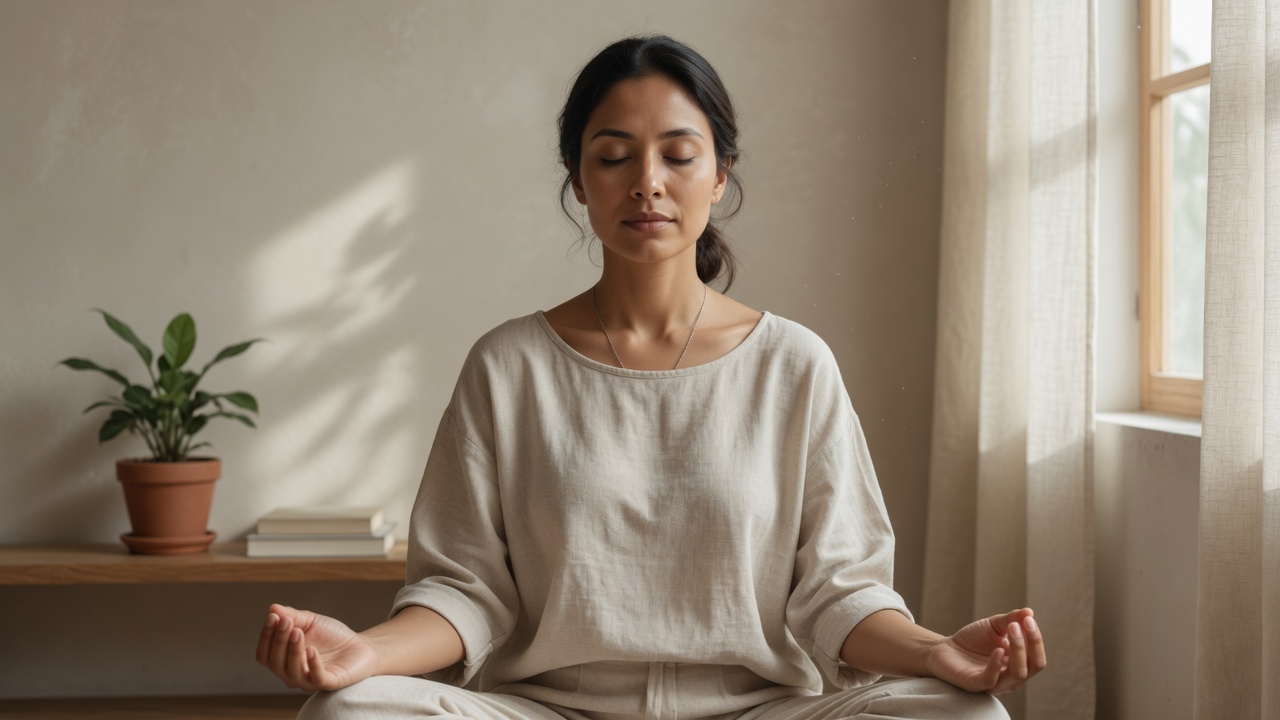
Daily meditation practices for mental clarity
10/06/2026
Introduction to Daily Meditation
Daily meditation is a powerful practice that significantly contributes to enhancing mental clarity and overall well-being. Engaging in daily meditation helps clear the mind, reduce stress, and promote a balanced emotional state, which are essential for maintaining focus and productivity in both personal and professional life. The importance of daily meditation lies in its ability to foster a calm, centered mind that can better navigate the complexities of everyday challenges.
The benefits of daily meditation are extensive and well-supported by scientific research. Regular meditation practice has been shown to improve attention span, increase memory retention, and reduce anxiety levels. By dedicating just a few minutes each day to meditation, individuals can experience a noticeable improvement in their ability to concentrate and stay mentally sharp throughout the day. This mental clarity opens the door to enhanced creativity and decision-making skills, which are critical in achieving long-term goals.
Science explains these benefits through meditation’s impact on brain function. Studies using neuroimaging techniques reveal that meditation positively affects areas of the brain involved in attention, emotional regulation, and self-awareness. Meditation practices like mindfulness can lead to increased gray matter density in the hippocampus, which plays a key role in learning and memory, while also reducing the size of the amygdala, a region linked to stress and anxiety. These neurological changes contribute to the clearer, more focused mental state that many meditators report.
Incorporating daily meditation into your routine is a valuable investment in your mental health and clarity. The practice is accessible to people of all ages and backgrounds and requires no special equipment or setting. Whether practiced in the morning to set a positive tone for the day or in the evening to unwind and reset, daily meditation cultivates a state of mindfulness that enriches every aspect of life. Embracing this habit unlocks sustained mental clarity that supports a healthier, more peaceful mind.
Understanding Mental Clarity
Mental clarity refers to a state of mind where thoughts are clear, focused, and free from confusion or distraction. It allows individuals to think more effectively, make better decisions, and maintain an overall sense of well-being. Achieving mental clarity enhances our ability to concentrate on tasks, prioritize actions, and respond calmly to daily challenges.
Meditation plays a crucial role in improving mental clarity by fostering focus and mindfulness. Through regular meditation practice, the mind learns to let go of unnecessary thoughts and distractions, which can cloud judgment and reduce productivity. This intentional focus during meditation trains the brain to stay present and attentive, even amidst the busyness of everyday life.
Mindfulness gained through meditation encourages awareness of the present moment, helping individuals observe their thoughts and emotions without judgment. This heightened awareness creates a mental space where clarity can emerge naturally. As a result, meditation not only calms the mind but also sharpens mental faculties, making it easier to sustain attention and improve overall mental performance throughout the day.
Benefits of Consistent Practice
Consistent meditation offers a wide range of mental and emotional benefits that significantly enhance overall well-being. One of the most notable advantages is stress reduction. When practiced regularly, meditation helps calm the mind and body, lowering cortisol levels—the hormone responsible for stress. This reduction in stress not only promotes relaxation but also improves cognitive functions such as focus and clarity, making it easier to navigate daily challenges with a peaceful mindset.
Another key benefit of consistent meditation is improved emotional balance. Through mindful awareness cultivated during meditation sessions, individuals learn to observe their thoughts and emotions without immediate reaction, fostering a deeper sense of control and stability. This emotional resilience helps in managing feelings of anxiety, irritability, or sadness, allowing one to respond to situations with composure rather than impulsivity.
Furthermore, consistent meditation nurtures a sense of inner peace and self-awareness, which supports healthier relationships and better decision-making. The practice encourages a balanced mental state, preventing emotional extremes and promoting a harmonious outlook on life. As a result, individuals who meditate regularly often report feeling more grounded, centered, and equipped to handle the stresses of modern life with greater ease and clarity.
Effective Daily Meditation Techniques
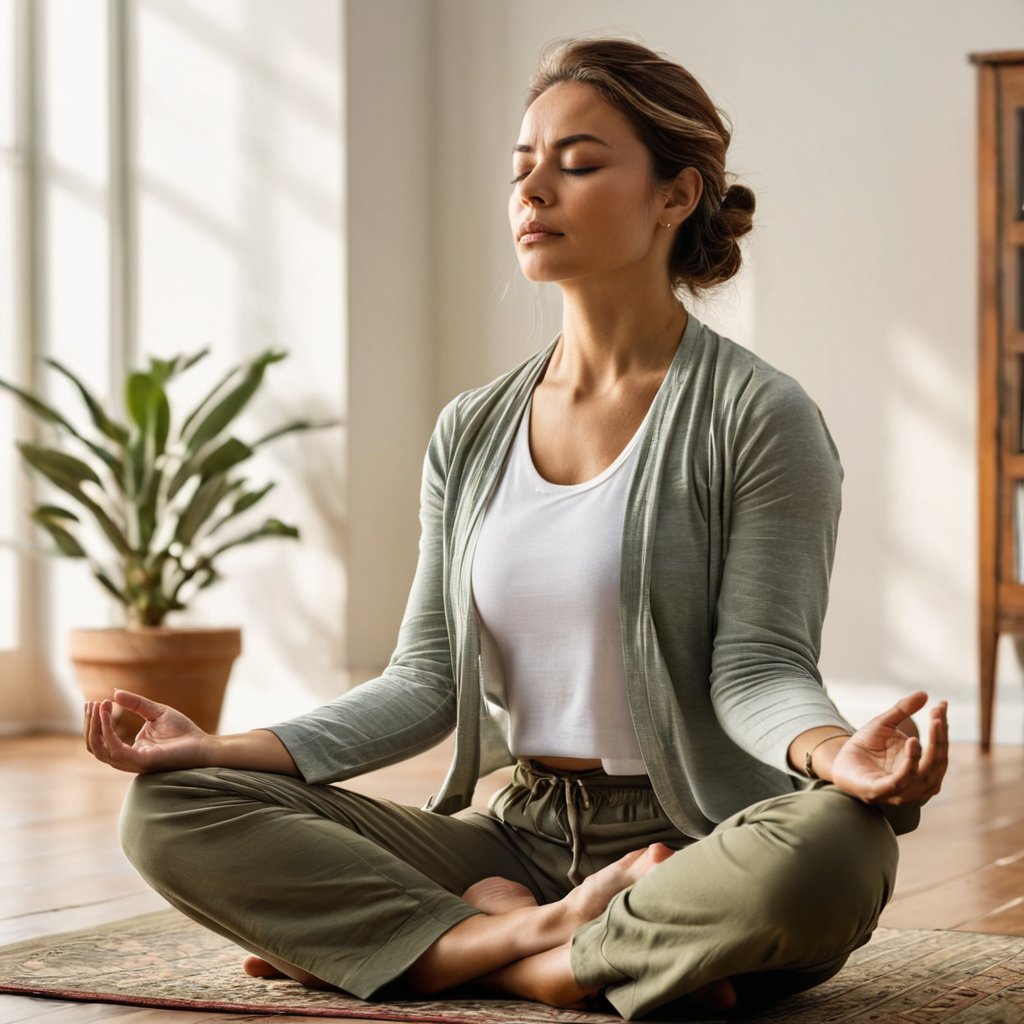
Incorporating meditation techniques into your daily practice can significantly enhance mental clarity and overall well-being. Whether you are a beginner or seeking to deepen your mindfulness exercises, these practical methods will guide you step-by-step towards a calmer, more focused mind.
- Find a Quiet Space: Choose a quiet and comfortable spot where you won’t be disturbed. Sit or lie down in a relaxed position. This sets the foundation for your daily practice by creating a peaceful environment conducive to mindfulness exercises.
- Set a Time Limit: For beginners, start with 5 to 10 minutes daily. Gradually increase this as you become more comfortable. Consistency matters more than duration; short daily practice fosters lasting habits.
- Focus on Your Breath: Close your eyes and take slow, deep breaths. Pay attention to the sensation of the air entering and leaving your nostrils or the rise and fall of your chest. This fundamental meditation technique anchors your mind and enhances mental clarity.
- Body Scan Technique: Slowly bring your awareness to different parts of your body, starting from your toes to your head. Notice any tension or discomfort without judgment. This mindfulness exercise promotes relaxation and self-awareness, perfect for daily practice.
- Use Guided Meditations: Beginners may benefit from guided sessions available through apps or online platforms. These meditations provide step-by-step instructions and keep your mind engaged, making it easier to develop a regular meditation routine.
- Practice Mindful Observation: Choose an object, such as a candle flame or a flower, and focus all your attention on it without distraction. Observe its details—color, texture, shape. This form of meditation sharpens concentration and improves mental clarity.
- End with Positive Affirmations: Conclude your session by silently repeating affirmations such as “I am calm,” “I am focused,” or “I embrace mental clarity.” This reinforces a positive mindset that supports your meditation goals.
- Maintain Consistency: Make meditation a non-negotiable part of your daily routine. The benefits multiply over time when practiced regularly, enhancing mindfulness and mental clarity in your everyday life.
Mindfulness Meditation
Mindfulness meditation is a powerful practice that centers on focusing your attention on the present moment, helping to clear your mind of distractions and foster mental clarity. One of the most effective ways to engage in mindfulness meditation is through slow, intentional breathing exercises. Begin by finding a quiet and comfortable place to sit, keeping your back straight but relaxed. Close your eyes gently and start by taking a deep breath in through your nose, feeling your lungs expand fully.
As you breathe out slowly through your mouth or nose, allow your body to relax further. Pay close attention to the sensation of the breath entering and leaving your body—the rise and fall of your chest or the air passing through your nostrils. This focused attention anchors you firmly in the present moment, preventing your mind from wandering to past regrets or future worries.
If distracting thoughts arise during your mindfulness meditation, acknowledge them without judgment, and gently bring your focus back to your breathing. Breathing exercises not only calm the nervous system but also sharpen your awareness, making it easier to maintain concentration throughout the day. Practicing mindfulness meditation regularly can lead to improved mental clarity, reduced stress levels, and a deeper appreciation of the present moment.
By embracing these simple breathing techniques, you train your mind to stay grounded and clear, enhancing your overall well-being and promoting a sense of inner peace in your daily routine.
Guided Meditation
Guided meditation is an excellent practice for those seeking mental clarity and relaxation through structured support. This technique involves following an instructor’s voice, usually via audio meditation sessions, guiding you through visualization, breathing exercises, or mindfulness techniques. The presence of guided narration helps maintain focus, especially for beginners who might find silent meditation challenging. Daily use of guided meditation can significantly enhance your ability to relax and clear your mind, providing a consistent routine that promotes mental well-being.
To maintain a daily routine, many people turn to apps designed specifically for guided meditation. Popular options include Headspace and Calm, both of which offer extensive libraries of audio meditation sessions ranging in length and focus. These apps simplify the process and add accessibility, allowing you to meditate anytime and anywhere. Additionally, free resources such as YouTube channels and podcasts also provide excellent guided meditation audio for relaxation and mental clarity.
By incorporating guided meditation using these audio resources, you make it easier to establish a consistent, relaxing practice that supports your mental clarity goals. Whether it’s a short five-minute session or a longer, immersive experience, guided meditation can fit seamlessly into your daily routine and help foster a greater sense of calm and presence.
Tips for Maintaining a Daily Meditation Routine

Building a meditation routine requires intention and dedication. To cultivate long-lasting mental clarity, it’s essential to implement consistency tips that transform meditation from an occasional practice into a daily habit. The following strategies will help you maintain a consistent meditation routine that fits seamlessly into your lifestyle.
Start by setting a specific time each day for meditation. Whether it’s first thing in the morning or just before bedtime, choosing a fixed time reinforces the habit and makes it easier to stick to. Consistency in timing helps train your mind to expect this moment of calm, creating a positive feedback loop.
Create a dedicated meditation space. Even a small, quiet corner with minimal distractions can serve as a physical reminder of your commitment. Over time, this space becomes associated with relaxation and focus, making it easier to slip into a meditative state.
Start with manageable sessions. If new to meditation, begin with short durations—five to ten minutes—and gradually increase as your comfort and concentration improve. This approach prevents overwhelm and helps build a sustainable habit.
Incorporate reminders and triggers. Use phone alarms or calendar notifications to prompt you to meditate, especially in the early stages of building your routine. Pair meditation with an existing daily habit like brushing your teeth or drinking morning tea to enhance consistency.
Track your progress to stay motivated. Journaling or using meditation apps with streak counts offers visual evidence of your consistency, encouraging you to maintain your daily practice. Celebrate milestones, no matter how small, to reinforce positive behavior.
Be flexible and kind to yourself. Life can be unpredictable, and missing a day doesn’t mean failure. Instead, gently return to your routine the next day without judgment. This compassionate approach supports long-term adherence and mental clarity through steady practice.
Finally, remember why you started. Reflect regularly on the benefits you experience from meditation—such as reduced stress, enhanced focus, and emotional balance. Keeping these outcomes in mind strengthens your resolve and deepens your commitment to daily meditation.
Creating a Dedicated Space
Setting up a meditation space is essential for cultivating a peaceful and distraction-free practice environment. Choose a quiet area in your home where you can consistently retreat without interruptions. The ideal meditation space should feel calm and inviting, helping to signal your mind that it’s time to focus and relax.
Start by clearing away any clutter that could draw your attention away from your meditation. Use cushions, a comfortable chair, or a mat to create a comfortable spot where you can sit or lie down with ease. You may also want to add elements that enhance tranquility, such as soft lighting, candles, or gentle scents.
Consider the sensory environment; keep noise to a minimum or incorporate soothing sounds like nature recordings if complete silence is difficult to achieve. A dedicated meditation space will help train your brain to enter a state of calm more quickly, improving the quality of your mindfulness practice.
Consistency is key. Returning to the same meditation space daily reinforces your routine and deepens your practice. By preparing a meditation space that feels safe, quiet, and free from distractions, you create an environment that nurtures mental clarity and relaxation, helping you to stay committed and focused.
Setting Realistic Goals
When starting a meditation practice, setting realistic meditation goals is essential to build consistency and maintain motivation. Begin by defining small, achievable targets based on your daily schedule and current experience level. For example, committing to just 5 to 10 minutes a day is a manageable goal that prevents overwhelm and encourages daily habit building.
Tracking your progress is equally important. Consider using a journal, meditation app, or calendar to log each session. This visual record not only reinforces your commitment but also helps you identify patterns and celebrate milestones. Recognizing your progress can boost your enthusiasm and reinforce positive behavior.
Remember, meditation is a journey rather than a race. Avoid setting overly ambitious goals that may lead to frustration or burnout. Instead, focus on gradual improvements and allow your practice to evolve naturally. By combining achievable goals with consistent progress tracking, you establish a sustainable meditation routine that supports mental clarity and long-term well-being.

I’m a longtime fitness enthusiast who loves exploring practical habits that boost daily energy and confidence. Sharing simple, science‑backed routines that help men feel their best is what keeps me motivated every day.