
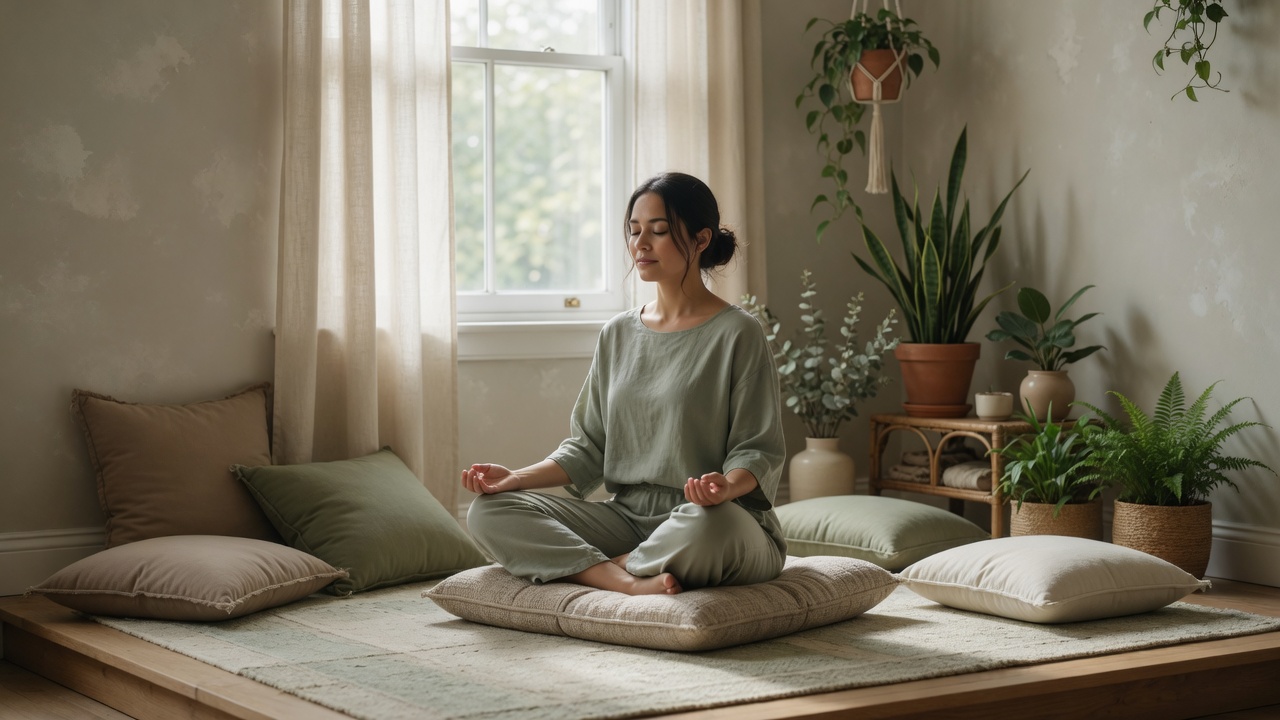
How to reduce stress with mindfulness
08/06/2026
Understanding Mindfulness and Stress
Mindfulness, at its core, is the practice of being fully present and engaged in the current moment, aware of your thoughts, feelings, and surroundings without judgment. This mindfulness definition highlights the intentional focus on the now, which contrasts with the often automatic and distracted way we navigate daily life. By cultivating this awareness, individuals can develop a deeper connection with themselves and their experiences.
Stress, on the other hand, is the body’s natural response to perceived challenges or threats. Stress causes a complex reaction that affects both the mind and body. When facing stress, the body releases hormones like cortisol and adrenaline that prepare us for a fight-or-flight response. While this can be beneficial in short bursts, chronic stress can lead to harmful effects such as increased heart rate, high blood pressure, and weakened immune function. Psychologically, prolonged stress may cause anxiety, irritability, and difficulty concentrating.
The benefits of mindfulness in reducing stress are well-documented. Practicing mindfulness helps interrupt the habitual stress responses by grounding individuals in the present moment, which diminishes the power of anxious or negative thoughts about the past or future. This shift allows the nervous system to calm down, reducing the release of stress hormones and promoting relaxation. Mindfulness exercises such as focused breathing, meditation, and body scans encourage a state of mental clarity and emotional balance.
When consistently practiced, mindfulness can improve emotional regulation, increase resilience to stress, and enhance overall well-being. It empowers people to respond thoughtfully rather than react impulsively to stressors. By understanding how mindfulness benefits the brain and body, it becomes clear why this practice is a valuable tool for managing stress and promoting mental health in everyday life.
What is Mindfulness?
Mindfulness meaning can be understood as the practice of maintaining a gentle, nonjudgmental awareness of the present moment. Rooted in ancient meditation traditions, particularly within Buddhism, mindfulness has evolved into a widely embraced technique for enhancing mental and emotional well-being. At its core, mindful awareness involves deliberately focusing on what is happening right here and now, rather than dwelling on the past or worrying about the future.
The essence of mindfulness is the cultivation of a receptive attitude toward whatever arises in one’s experience, whether thoughts, sensations, or emotions. This practice helps foster clarity and calm by drawing attention away from habitual mental distractions and anchoring it firmly in the present moment. By observing our experiences without immediate reaction or judgment, mindfulness encourages a deeper connection with life as it unfolds.
Today, mindfulness is widely applied in various therapeutic and self-care contexts, proving beneficial for reducing stress, improving focus, and promoting emotional balance. Whether through guided meditations, breathing exercises, or simple daily awareness, embracing mindful awareness offers a powerful way to engage with life fully and intentionally, appreciating each moment’s uniqueness.
How Stress Affects Your Body and Mind
Stress symptoms can manifest in numerous ways, affecting both the body and mind. Common physiological symptoms include headaches, muscle tension, fatigue, and elevated heart rate. These physical signs often act as the body’s immediate response to perceived threats or pressure. On the mental health front, individuals may experience anxiety, irritability, difficulty concentrating, and mood swings. These symptoms can vary in intensity depending on the individual’s stress levels and coping mechanisms.
Chronic stress, if left unmanaged, can have severe physiological effects on the body. Prolonged exposure to stress hormones like cortisol can lead to increased blood pressure, weakened immune function, and digestive issues. Additionally, chronic stress is closely linked with a higher risk of developing conditions such as heart disease, diabetes, and other inflammatory disorders. Mentally, long-term stress contributes to the development or exacerbation of mental health issues like depression, anxiety disorders, and burnout.
Understanding these stress symptoms and their impact is vital for recognizing when stress becomes harmful. Early intervention through mindfulness and other stress reduction techniques can help mitigate these physiological effects and improve mental health outcomes. Being aware of how stress impacts both the body and mind encourages proactive habits for maintaining overall well-being.
Practical Mindfulness Techniques to Reduce Stress
Mindfulness exercises are powerful stress relief methods that help you stay present and calm amidst daily pressures. Among the most effective techniques are mindful breathing, body scan meditation, and guided meditation, each offering unique ways to manage stress effectively.
Start with mindful breathing, a fundamental breathing technique that centers your attention on each inhale and exhale. Find a quiet place and sit comfortably. Close your eyes and take a slow, deep breath in through your nose, feeling your lungs expand. Hold the breath briefly, then exhale slowly through your mouth, noticing the release of tension. Repeat this cycle for five to ten minutes, focusing solely on your breath. When your mind wanders, gently bring your focus back to the rhythm of your breathing. This practice calms the nervous system and creates an immediate sense of relaxation.
The body scan mindfulness exercise is excellent for releasing stored tension and increasing awareness of physical sensations. Lie down or sit comfortably and close your eyes. Slowly bring your attention to the top of your head and gradually move down through each part of your body—forehead, eyes, jaw, neck, shoulders, arms, chest, abdomen, hips, legs, and feet. Observe any areas of tightness, discomfort, or warmth without judgment. Breathe into those areas, imagining the tension melting away with each exhale. This technique helps you reconnect with your body and promotes deep relaxation, reducing overall stress levels.
Guided meditation combines visualization with mindfulness to deepen stress relief. You can use prerecorded sessions or a meditation app to assist you. Find a quiet space and sit or lie down comfortably. Close your eyes and follow the instructions, which typically guide you through calming imagery, positive affirmations, or a journey to a peaceful place. By immersing yourself in the meditation’s narrative, you shift your focus away from stressful thoughts and into a state of calm awareness. Over time, regular guided meditation strengthens your capacity for stress management and emotional resilience.
Incorporating these mindfulness exercises into your daily routine offers a practical arsenal of stress relief methods. Each breathing technique, body scan, and guided meditation session cultivates presence and relaxation, making it easier to confront daily challenges with a balanced mind and calm spirit.
Mindful Breathing Exercise
One of the most effective relaxation techniques for stress management is the mindful breathing exercise. This simple practice helps center your thoughts and calm your mind, allowing you to reduce stress quickly and efficiently. Follow these step-by-step instructions to incorporate mindful breathing into your routine.
- Find a quiet, comfortable place where you won’t be disturbed. Sit or lie down in a relaxed position.
- Close your eyes if you feel comfortable doing so, and start by taking a slow, deep breath in through your nose, counting to four.
- Hold your breath gently for a count of four, feeling the air filling your lungs.
- Exhale slowly and completely through your mouth for a count of six, releasing any tension in your body.
- Pause for a moment after exhaling, noticing how your body feels before taking your next breath.
- Repeat this breathing cycle for five to ten minutes, focusing entirely on the rhythm of your breath and the sensations it creates.
- If your mind wanders, gently bring your attention back to your breath without judgment.
- This mindful breathing exercise can be practiced daily to improve your overall stress management and promote relaxation throughout your day.
By regularly practicing this breathing exercise, you enhance your ability to manage stress and maintain calm even in challenging situations. Mindful breathing is a powerful addition to your toolbox of relaxation techniques and can significantly improve your well-being.
Body Scan Meditation for Stress Relief
Body scan meditation is a powerful meditation practice aimed at increasing your awareness of physical sensations and promoting stress reduction. To begin, find a quiet and comfortable place where you can lie down or sit without interruptions. Close your eyes and take a few deep breaths, allowing yourself to settle into the present moment.
Start by focusing your attention on your toes. Notice any sensations such as tingling, warmth, or tension. Gradually move your attention upward, slowly scanning each part of your body: feet, legs, hips, abdomen, chest, hands, arms, shoulders, neck, and finally your head. Try to observe each area without judgment or the need to change anything.
This meditation practice helps to deepen your connection with your body and mind, fostering a sense of calm and relaxation. By paying detailed attention to each part of your body, you increase bodily awareness and release built-up tension, which contributes to stress reduction. Practicing a body scan regularly can train your mind to focus better and reduce the physical effects of stress in your daily life.
End your session by taking a few final deep breaths and gently open your eyes. This simple yet effective body scan meditation practice can be an essential tool in managing stress and enhancing overall well-being.
Using Guided Meditation Apps and Resources
Incorporating guided meditation into your daily routine is a practical way to enhance mindfulness and significantly reduce stress. There are a variety of mindfulness apps designed to help users develop and maintain a consistent meditation practice with ease. Popular guided meditation apps such as Headspace, Calm, and Insight Timer offer a broad selection of meditation sessions tailored to different experience levels and goals. These apps provide stress reduction tools including breathing exercises, sleep aids, and mindfulness reminders that support your mental well-being throughout the day.
Headspace is renowned for its beginner-friendly approach, blending simplicity with expert guidance on mindfulness techniques. Calm stands out with its beautifully crafted meditation sessions and soothing nature sounds, making stress management more accessible. Insight Timer boasts a vast library of free guided meditations from teachers around the world, perfect for exploring various mindfulness styles. Additionally, platforms like Mindful.org and YouTube channels dedicated to meditation offer abundant online resources and community support to deepen your mindfulness journey.
Using these mindfulness apps and resources regularly can cultivate a powerful stress reduction habit, enhancing focus, emotional balance, and overall resilience to daily pressures. By embracing the convenience of guided meditation apps, you empower yourself to take control of your stress levels anytime and anywhere.
Incorporating Mindfulness into Daily Life

Integrating daily mindfulness into your everyday routines is a powerful way to maintain the stress reduction benefits that mindfulness offers. By consciously embedding mindful habits into your day, you can create a consistent practice that supports your overall well-being and helps prevent stress from accumulating.
One effective strategy is to start your morning with a brief mindfulness exercise. This could be as simple as a 5-minute breathing meditation, paying close attention to your breath and setting a calm tone for the day ahead. Establishing this habit each morning can serve as a daily mindfulness anchor, helping you stay centered amidst the day’s challenges.
Throughout your day, look for opportunities to practice mindfulness in routine activities. Whether you’re washing the dishes, walking to work, or eating a meal, make a conscious effort to be fully present. Notice the sensations, smells, sounds, and textures around you. These moments of mindful awareness act as small yet effective breaks that refresh the mind and prevent stress from building up.
Another useful tip is to incorporate mindful pauses during your work or study sessions. Set a timer to remind yourself to take a one- to two-minute mindful break every hour. Use this time to stretch, breathe deeply, or simply check in with your body and emotions. This practice helps reduce tension and boosts focus, making your work routine more balanced and less stressful.
Creating mindful habits can also involve mindfulness journaling. At the end of each day, take a few moments to reflect on your experiences, writing down things you noticed, felt, or are grateful for. This evening reflection reinforces mindfulness and gratitude, which are powerful tools for stress prevention and emotional resilience.
Lastly, be gentle and patient with yourself as you build a daily mindfulness routine. It’s normal for the mind to wander, and mindfulness is a skill developed gradually over time. By dedicating even small amounts of time to daily mindfulness, you invest in a long-term strategy that nurtures mental clarity, emotional stability, and reduces overall stress.
Creating a Mindfulness Routine
Building a consistent mindfulness routine is essential for effective stress management and can be seamlessly integrated into even the busiest lifestyles. The key to habit formation lies in starting small and being intentional. Begin with a short daily mindfulness practice, such as 5 minutes of focused breathing or body scanning, which can easily fit into your morning or evening schedule.
Consistency is more important than duration; making mindfulness a non-negotiable part of your day helps establish it as a natural habit. Identify specific triggers or moments in your day to anchor your practice—for instance, right after waking up, during a lunch break, or before going to bed. Using reminders like phone alarms or habit-tracking apps can support this process.
Developing a stress management routine that incorporates mindfulness not only calms the mind but also strengthens your ability to respond to daily stressors with greater clarity and calm. Over time, this daily mindfulness practice becomes a powerful tool that enhances emotional resilience and overall well-being, making stress easier to handle.
Remember, the goal is to create a sustainable routine that adapts to your lifestyle rather than adding more stress. By embedding mindfulness into everyday moments and honors your natural rhythm, you cultivate a nourishing habit that supports long-term stress reduction and mental clarity.
Mindful Eating and Movement
Mindful eating and mindful movement are powerful stress relief activities that enhance the benefits of mindfulness by bringing full awareness to everyday actions. When you eat mindfully, you focus intently on the taste, texture, and aroma of your food, savoring each bite without distractions. This practice slows down your eating, helps improve digestion, and promotes a deeper connection with your body’s hunger and fullness cues, ultimately reducing stress related to overeating and poor nutrition choices.
Similarly, mindful movement—such as yoga, walking, or gentle stretching—involves paying close attention to the sensations in your body as you move. This awareness helps you stay present, releases muscle tension, and fosters a sense of calm throughout your physical activity. By tuning into your breath and bodily sensations, mindful movement becomes a form of active meditation that can lower cortisol levels and ease the mental strain often caused by a busy lifestyle.
Combining mindful eating and mindful movement creates a holistic approach to stress relief. Both practices encourage you to slow down and engage fully with the present moment, making it easier to break free from autopilot behaviors that contribute to stress. Incorporating these activities regularly into your routine not only supports mental clarity but also nurtures a healthier relationship with your body and mind, enhancing overall well-being and resilience against stress.

I’m a longtime fitness enthusiast who loves exploring practical habits that boost daily energy and confidence. Sharing simple, science‑backed routines that help men feel their best is what keeps me motivated every day.