

How to incorporate stretching into daily routine
25/06/2026
Stretching isn’t just for gym rats or yoga enthusiasts—it’s a power move for any man who wants to stay sharp, energized, and injury-free. Whether you’re crushing it at the office, dominating the gym, or keeping up with life’s demands, a solid stretching routine keeps your body loose, your mind focused, and your performance at its peak. The problem? Most guys skip it because they don’t know how to make it stick. The good news? It’s simpler than you think. With the right approach, you can turn stretching into a daily habit that fuels your energy, enhances your mobility, and keeps you moving like a well-oiled machine. Here’s how to make it happen—no fluff, just actionable steps tailored for the modern man.
Why Stretching Belongs in Your Daily Routine
Let’s cut to the chase: if you’re not stretching, you’re leaving performance on the table. Tight muscles restrict movement, slow recovery, and increase your risk of injury—whether you’re lifting weights, playing pickup basketball, or just sitting at a desk all day. For men who prioritize energy and activity, stretching is the unsung hero that keeps you agile, powerful, and resilient. Think of it as maintenance for your body, like tuning up your car before a long road trip. Without it, you’re running on fumes.
Beyond the physical benefits, stretching is a mental reset. A few minutes of focused breathing and movement can clear your head, reduce stress, and sharpen your focus—something every man needs in a world full of distractions. It’s not about flexibility for flexibility’s sake; it’s about staying in the game longer, recovering faster, and feeling stronger in everything you do.
Start Small: The 5-Minute Rule for Busy Men
You don’t need an hour-long yoga session to see results. The key to making stretching stick is starting small—so small that skipping it feels ridiculous. Enter the 5-minute rule: commit to just five minutes a day, no excuses. This could be a quick dynamic warm-up before your workout or a few static stretches before bed. The goal isn’t to overhaul your routine overnight; it’s to build consistency first. Once five minutes feels automatic, you can gradually increase the time or intensity.
For men with packed schedules, the best time to stretch is when it’s easiest to remember. Tie it to an existing habit, like brushing your teeth or waiting for your coffee to brew. For example, do a standing hamstring stretch while your morning coffee drips or a chest opener while your computer boots up. These micro-sessions add up, and before you know it, stretching becomes as natural as checking your phone.
Dynamic vs. Static: When to Use Each for Maximum Benefit
Not all stretches are created equal. Dynamic stretches—controlled movements that take your muscles through their full range of motion—are ideal for warming up before activity. Think leg swings, arm circles, or torso twists. These get your blood flowing, prep your muscles for action, and reduce the risk of injury during workouts or sports. Save dynamic stretches for the morning or pre-workout to fire up your body.
Static stretches, where you hold a position for 20-30 seconds, are better for cooling down or unwinding at the end of the day. They help lengthen tight muscles, improve flexibility, and promote recovery. Focus on areas that take a beating during the day, like your hips (from sitting), shoulders (from desk work), and hamstrings (from running or lifting). The key is to listen to your body—if a stretch feels too intense, ease up. Stretching should challenge you, not punish you.
Stretches Every Active Man Should Master
You don’t need a laundry list of stretches to see results. Focus on these five essentials to cover your bases. First, the 90/90 hip stretch: sit with one leg bent at 90 degrees in front of you and the other bent at 90 degrees to the side. This opens up tight hips, a common issue for men who sit a lot or lift heavy. Second, the doorway chest stretch: place your forearm against a doorway and lean forward to counteract rounded shoulders from desk work or bench pressing.

Next, the standing hamstring stretch: place one foot on a bench or step, hinge at the hips, and reach toward your foot. This targets tight hamstrings, which can lead to lower back pain if ignored. For your upper body, try the thread the needle stretch: start on all fours, slide one arm under your body, and rotate your torso to open up your shoulders and upper back. Finally, the couch stretch: kneel in front of a couch or wall, place one foot against it, and drive your hip forward. This is a game-changer for tight quads and hip flexors, especially if you spend hours sitting or squatting.
How to Make Stretching a Habit That Sticks
Habits don’t form overnight, but they do form faster when you stack them with existing routines. Use the “habit stacking” method: pair stretching with something you already do daily. For example, stretch your hamstrings while waiting for your post-workout shake to blend or do a quick shoulder mobility drill while watching TV. The more you associate stretching with an existing habit, the less you’ll have to rely on willpower.
Another pro tip: track your progress. Use a habit tracker app or a simple checklist to mark off each day you stretch. Seeing a streak builds momentum and makes you less likely to skip. And don’t underestimate the power of accountability—grab a workout buddy or post your progress online to stay motivated. The goal isn’t perfection; it’s consistency. Even on days when you’re exhausted or short on time, a single stretch is better than nothing.
Stretching for Recovery: The Secret Weapon for Active Men
If you’re pushing your body hard—whether through lifting, running, or sports—stretching is your secret weapon for recovery. Tight muscles lead to imbalances, which can cause injuries or limit your performance. After a tough workout, spend 5-10 minutes stretching the muscles you worked. For example, if you crushed legs at the gym, focus on your quads, hamstrings, and calves. If you spent the day hunched over a laptop, prioritize your chest, shoulders, and neck.
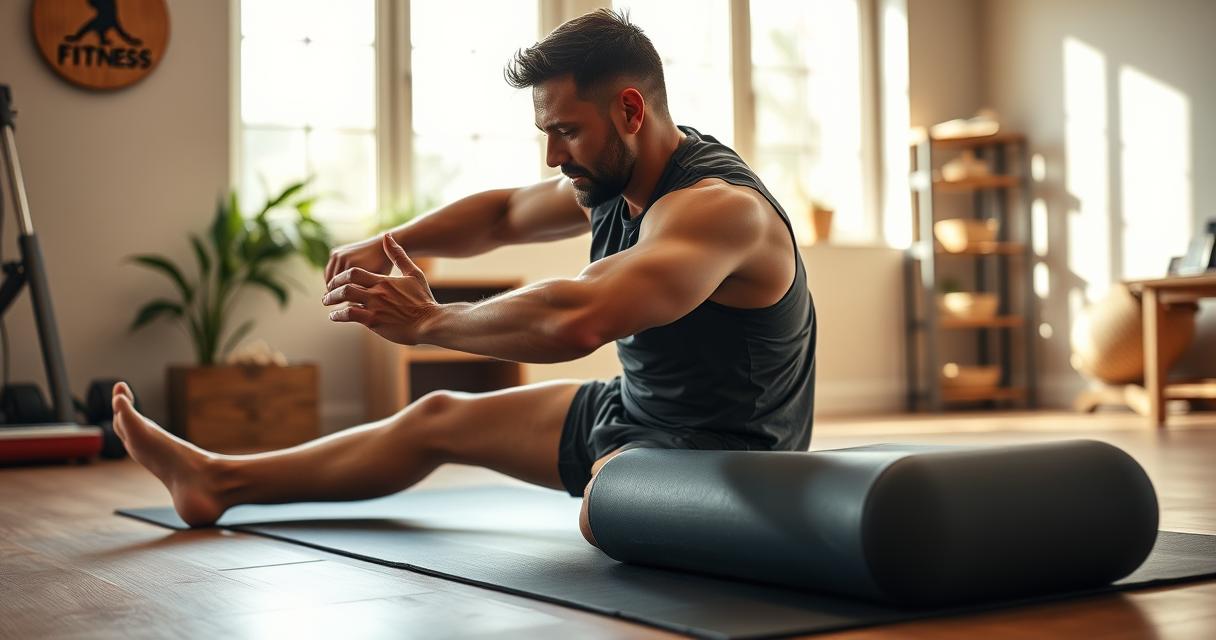
Stretching also improves circulation, which helps flush out lactic acid and reduces soreness. Pair it with foam rolling for even better results—spend a minute on each tight muscle group before stretching to release knots and improve mobility. The combination of rolling and stretching accelerates recovery, so you can bounce back faster and train harder.
Stretching for Energy and Mental Clarity
Stretching isn’t just about your body—it’s a mental reset that can boost your energy and focus. When you’re feeling sluggish or mentally drained, a quick stretching session can wake up your nervous system and sharpen your mind. Try a 2-minute “power stretch” routine: reach your arms overhead, hinge at the hips to touch your toes, and twist your torso side to side. This simple sequence increases blood flow to your brain, reduces tension, and leaves you feeling more alert.
For a deeper mental boost, incorporate breathwork into your stretches. Inhale deeply through your nose as you lengthen your muscles, and exhale fully as you sink deeper into the stretch. This not only enhances the physical benefits but also calms your mind and reduces stress. Think of it as a mini-meditation—your body and brain will thank you.
Final Thoughts: Stretching as a Lifestyle, Not a Chore
Stretching isn’t something you do when you remember—it’s a non-negotiable part of a high-performance lifestyle. The men who stay strong, mobile, and energized as they age aren’t the ones who lift the heaviest or run the fastest; they’re the ones who take care of their bodies every single day. By incorporating stretching into your routine, you’re not just preventing injuries or improving flexibility—you’re investing in your long-term energy, resilience, and vitality.
Start small, stay consistent, and make it your own. Whether it’s five minutes in the morning, a quick session post-workout, or a wind-down routine before bed, stretching will pay dividends in how you feel and perform. The best part? It’s free, it’s simple, and it works. Now go stretch—your future self will thank you.

I’m a longtime fitness enthusiast who loves exploring practical habits that boost daily energy and confidence. Sharing simple, science‑backed routines that help men feel their best is what keeps me motivated every day.