
Strength training basics for beginners
22/03/2026
Introduction to Strength Training
Strength training basics can be an essential foundation for anyone starting their fitness journey. At its core, strength training involves exercises designed to improve muscle strength and endurance by working against resistance. This can be achieved through weight training equipment like dumbbells, barbells, kettlebells, or even bodyweight exercises. It is a highly effective way to enhance overall fitness, build muscle, and increase metabolic rate.
One of the primary benefits of strength training is its ability to improve muscle tone and strength, which supports better physical functionality in daily life. For beginners, this means improved posture, balance, and coordination. Additionally, strength training helps increase bone density, reducing the risk of osteoporosis as one ages. It also boosts metabolism, aiding in weight management and fat loss. Beyond the physical advantages, strength training can elevate mood and energy levels by releasing endorphins, promoting mental well-being and stress reduction.
For those new to exercise, the idea of weight training introduction might seem intimidating, but it is a highly approachable form of fitness. Beginners can start with lighter weights and simple movements, gradually progressing as their confidence and ability grow. Strength training basics not only foster physical improvement but also build a sense of accomplishment and self-discipline. It is versatile and can be adapted for any fitness level or goal, making it an excellent choice for those starting their fitness journey.
In conclusion, incorporating strength training basics into a beginner fitness routine is a smart choice for anyone looking to improve their health and physical performance. Its benefits extend far beyond increased muscle strength, offering enhanced overall wellness and the foundation for a long-term, active lifestyle. Whether your goal is to gain strength, lose weight, or simply feel more energetic, strength training provides an effective and accessible path forward.
What is Strength Training?
Strength training, also known as resistance training, is a form of physical exercise focused on improving muscle strength and endurance. At its core, strength training involves working against resistance to stimulate muscle growth and enhance overall muscle function. This foundational aspect of muscle building basics is crucial for both beginners and experienced athletes aiming to increase their physical fitness.
There are several forms of strength training, each offering unique benefits. Weightlifting, for example, uses external weights such as dumbbells, barbells, or kettlebells to create resistance. This type of training targets specific muscle groups and helps build muscle mass efficiently. Another popular form is bodyweight exercises, which rely on the individual’s own weight as resistance. Push-ups, squats, and planks are common examples that can be done anywhere without equipment.
Both weightlifting and bodyweight exercises play important roles in a comprehensive strength training routine. Understanding the strength training definition and how these different forms operate helps beginners design effective workouts catered to their goals. Whether aiming for muscle building basics or improving overall fitness, incorporating resistance training into your exercise regimen is a fundamental step toward long-term health and strength.
Benefits of Strength Training for Beginners
Strength training offers numerous benefits for beginners, both physically and mentally. One of the most noticeable strength training benefits is improved muscle tone. As muscles are challenged and stimulated during workouts, they adapt by growing stronger and more defined, which enhances overall body composition and appearance. This muscle growth advantage not only contributes to a more toned physique but also supports better posture and functional strength for daily activities.
Another key benefit is the positive effect on metabolism. Engaging in regular strength training helps to increase resting metabolic rate by building lean muscle mass, which requires more energy to maintain compared to fat tissue. This means that beginners can burn more calories throughout the day, even when at rest, which aids in weight management and fat loss. These fitness improvement effects are crucial for those new to exercise who want to see tangible results and improve overall health.
Beyond physical enhancements, strength training contributes significantly to mental well-being. The discipline involved in regular workouts can boost confidence and reduce stress levels. As beginners experience progress, their motivation and mood often improve, creating a positive feedback loop that encourages continued commitment. Overall, the combination of muscle growth advantages, enhanced metabolism, and mental health improvements makes strength training an excellent choice for those starting their fitness journey.
Essential Equipment and Setup for Beginners
Starting your strength training journey doesn’t require expensive or complex equipment. Understanding the basics of strength training equipment and how to create a practical workout space at home can set you up for success. As a beginner, focusing on home gym basics and starter workout gear will help keep your regimen effective and manageable.
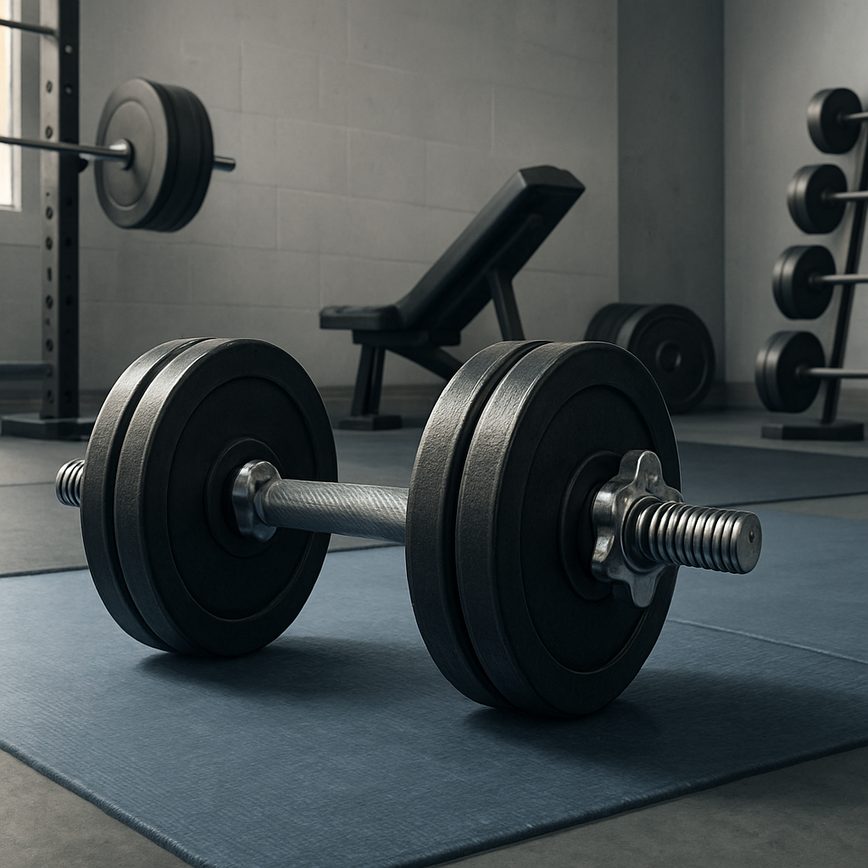
The core of your strength training equipment should include essentials that allow you to perform a variety of exercises targeting different muscle groups. A good quality set of adjustable dumbbells is an excellent investment for beginners because they offer versatility without taking up much room. Resistance bands are another affordable and space-saving option that provide variable tension and can assist with both strength training and flexibility.
To complement your weights and bands, consider adding a sturdy workout bench or an exercise mat. A bench can increase your exercise options by allowing you to do pressing and seated movements, while a mat ensures comfortable floor exercises and stretching. These simple pieces round out your starter workout gear and enhance your ability to perform a comprehensive routine safely.
When setting up your home gym basics, choose a space that is well-ventilated, has enough room to move freely, and has a non-slip surface for safety. It doesn’t need to be large; even a corner of a room can be transformed into an efficient workout zone with the right equipment. Organize your gear so that it’s easily accessible but stored safely to prevent accidents.
Proper setup and use of strength training equipment not only improve your workout effectiveness but also help prevent injuries. Ensure your lighting is good to maintain focus and motivation, and, if possible, set up a mirror to monitor your form. With the right starter workout gear and a thoughtful home gym basics setup, you’ll create a motivating environment that supports your strength training goals from day one.
Choosing the Right Equipment
When starting strength training, selecting the right equipment is crucial for your progress and safety. Common beginner options include dumbbells, resistance bands, barbells, and weight machines, each with its own advantages and drawbacks.
Dumbbells are versatile and affordable, making them perfect for home workouts. They allow for a wide range of exercises, promoting balanced muscle development. However, they may lack the heavy weight options necessary for advanced strength gains.
Resistance bands are lightweight and portable, ideal for travel and rehabilitation exercises. They provide variable resistance and are gentle on joints. On the downside, resistance bands may not offer enough resistance for significant muscle building over time.
Barbells enable lifting heavier weights, which is essential for building serious strength. They offer stability and allow compound movements like squats and deadlifts. However, barbells require more space and often some training to use safely.
Weight machines guide your movement and reduce the risk of injury, making them beginner-friendly. They are excellent for isolating muscles but can be expensive and less effective for building functional strength compared to free weights.
Choosing equipment depends on your fitness goals and budget. If convenience and cost are priorities, dumbbells or resistance bands are ideal starting points. For those aiming to increase maximum strength and muscle mass, investing in barbells or gym access for weight machines may be worthwhile.
Creating a Safe and Effective Workout Space
Setting up a proper workout area is essential for beginners to ensure safety and maximize exercise effectiveness. First, choose a space with enough room to move freely without restrictions; a minimum of 6 by 6 feet is recommended depending on your workout routine. This allows you to perform exercises correctly and reduces the risk of injury.
Flooring plays a critical role in creating the right exercise environment. Opt for a surface that is firm yet offers some cushioning to protect your joints. Rubber mats, foam tiles, or carpeted floors work well in both home gyms and commercial settings. Avoid slippery surfaces to prevent falls during dynamic movements.
Safety tips are paramount when designing your workout area. Keep the space clear of clutter, cords, and any objects that could cause tripping. Ensure adequate lighting so you can see your surroundings clearly. If using weights or machines, maintain them properly and check for stability before each session. Additionally, having a mirror can help you monitor your form and technique, enhancing your workout quality and preventing injuries.
By focusing on these key elements—workout area setup, appropriate flooring, and safety considerations—you can create an exercise environment that supports consistent progress and reduces the chance of accidents as you embark on your strength training journey.
Basic Strength Training Program for Beginners
Starting a beginner workout plan can feel overwhelming, but a well-structured strength training routine will help build a solid foundation for your fitness journey. This simple and balanced exercise schedule focuses on fundamental movements and progression tips to guide you through your first weeks of training effectively and safely.
Begin your workout routine with basic compound exercises that engage multiple muscle groups. Essential exercises include squats, push-ups, deadlifts, bent-over rows, and overhead presses. These movements not only maximize efficiency but also promote overall strength and coordination. For beginners, performing these exercises with proper form is critical to prevent injuries and ensure steady progress.
Here is an example of a beginner workout plan structured around three sessions per week, allowing ample recovery between workouts:
Day 1: Lower Body Focus
Squats (3 sets of 8-12 reps)
Deadlifts (3 sets of 6-10 reps)
Lunges (3 sets of 8-12 reps each leg)
Planks (3 rounds, hold for 20-30 seconds)
Day 2: Upper Body Push & Pull
Push-ups (3 sets of 8-12 reps)
Bent-over Rows (3 sets of 8-12 reps)
Overhead Press (3 sets of 8-12 reps)
Dumbbell Bicep Curls (optional, 3 sets of 12 reps)
Day 3: Full Body & Core
Bodyweight Squats or Goblet Squats (3 sets of 12-15 reps)
Pull-ups or Assisted Pull-ups (3 sets of as many reps as possible)
Dumbbell Deadlifts (3 sets of 8-12 reps)
Russian Twists (3 sets of 20 twists)
Progression is key in any strength training routine. Aim to gradually increase the weight you lift or the number of repetitions every week while maintaining good form. If weights are not an option, focus on adding more reps or sets to your exercises. Keeping a workout log can help track your improvements and keep you motivated.
Additionally, make sure to warm up before each session and incorporate stretching or mobility work to prevent soreness and support recovery. Rest days are equally important to allow your muscles to rebuild and grow stronger.
By following this beginner workout plan and maintaining consistency, you’ll establish an effective strength training routine that lays the groundwork for long-term success and improved physical fitness.
Key Exercises to Start With
When beginning strength training, focusing on basic strength exercises that target major muscle groups is essential. The squat is a foundational move that works the legs, glutes, and core. To perform a squat correctly, stand with feet shoulder-width apart, keep your chest lifted, and lower your hips back and down as if sitting in a chair. Ensure your knees do not extend past your toes to protect your joints.
The deadlift is another excellent exercise targeting the posterior chain, including the hamstrings, glutes, lower back, and core. Start with feet hip-width apart, grip the bar or weights with hands shoulder-width apart, and keep your back straight as you lift by driving through your heels and extending your hips and knees. Avoid rounding your back to prevent injury.
Push-ups are a simple yet effective exercise for building upper body strength by engaging the chest, shoulders, triceps, and core. Begin in a high plank position with hands slightly wider than shoulder-width. Lower your body towards the ground while keeping your elbows at about a 45-degree angle, then push back up. For beginners, modified push-ups on the knees are a great way to build strength before progressing to full push-ups.
Incorporating these basic strength exercises into your routine will help you build a solid foundation. Consistently practicing proper form and gradually increasing resistance or repetitions will ensure steady progress and reduce the risk of injury.
Structuring Workouts and Progression
Creating an effective workout plan involves careful consideration of sets, reps, rest periods, and progression strategies. To start, determine the number of sets and reps based on your fitness goals—generally, 3 to 4 sets of 8 to 12 reps are effective for building strength and muscle. Rest periods between sets typically range from 30 seconds to 2 minutes, depending on the workout intensity and your recovery needs. Shorter rest times maintain workout intensity and endurance, while longer rests allow for greater strength recovery.
One essential principle in strength training is progressive overload, which means gradually increasing the intensity of your workouts to continuously challenge your muscles. This can be achieved by adding more weight, increasing the number of reps or sets, or reducing rest time between sets. Progressive overload ensures consistent gains in strength and muscle development while preventing plateaus.
When structuring your workout, plan exercises that target different muscle groups to allow adequate recovery. Start with compound movements like squats and bench presses followed by isolation exercises. Track your workout performance to make incremental adjustments over time. By combining thoughtful workout planning with progressive overload, you create a sustainable routine that promotes steady improvement and reduces the risk of injury.

I’m a longtime fitness enthusiast who loves exploring practical habits that boost daily energy and confidence. Sharing simple, science‑backed routines that help men feel their best is what keeps me motivated every day.