
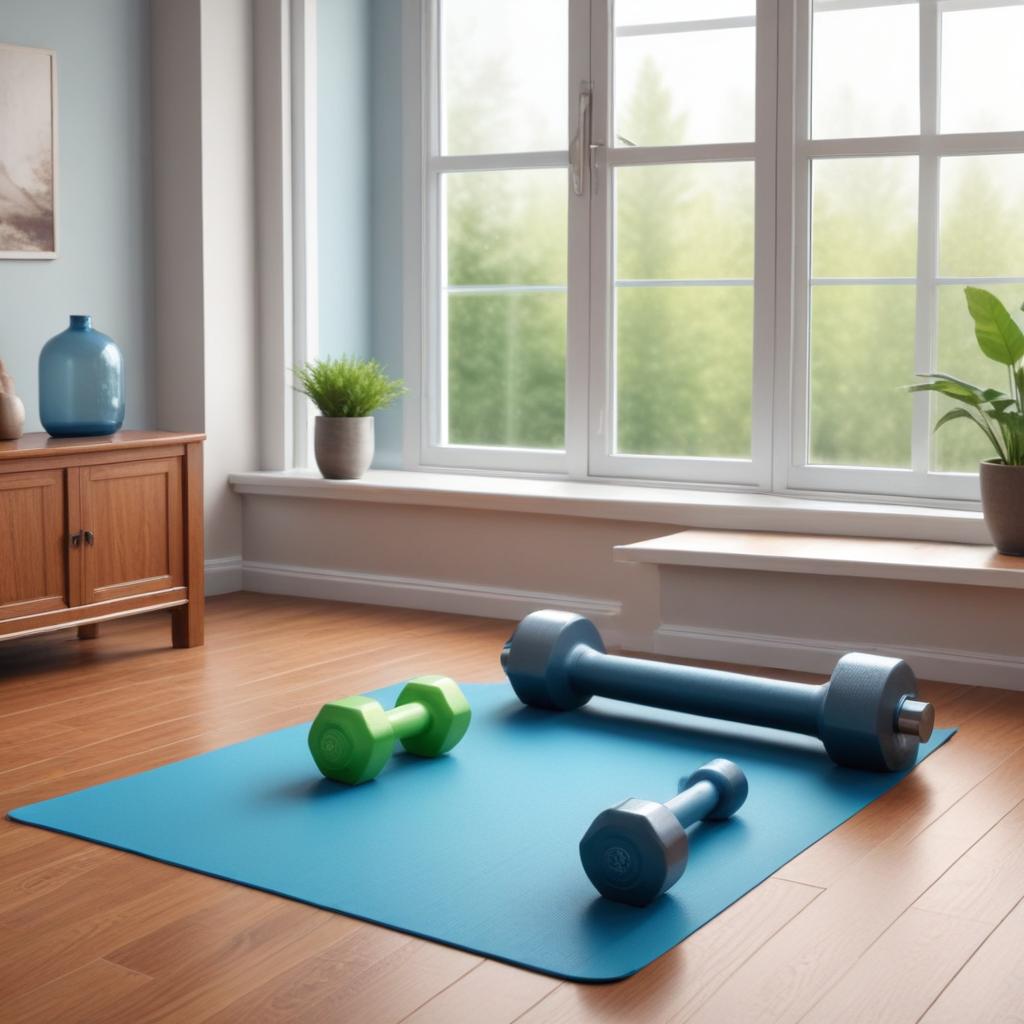
Healthy simple exercises at home
05/03/2026
Benefits of Healthy Simple Exercises at Home
Engaging in home workouts offers numerous physical and mental exercise benefits that contribute to a healthy lifestyle. Regular physical activity at home helps improve cardiovascular health, increase muscle strength, enhance flexibility, and boost overall endurance. These simple exercises can help in managing weight, reducing the risk of chronic diseases such as diabetes and hypertension, and improving mobility, which is essential for maintaining independence as you age.
Aside from the obvious physical benefits, exercising regularly at home positively impacts mental health. Physical activity stimulates the production of endorphins, often known as the “feel-good” hormones, which can reduce stress, anxiety, and symptoms of depression. Establishing a consistent home workout routine can also improve sleep quality and increase energy levels throughout the day. The convenience of working out at home encourages consistency, which is key to reaping these mental wellness benefits.
One of the greatest advantages of fitness at home is convenience. Without the need to commute to a gym or fitness center, you save significant time and can tailor your workout schedule to fit your lifestyle seamlessly. This flexibility removes barriers to exercise, making it easier to stay committed to a fitness regimen. Additionally, home workouts eliminate worries about overcrowded spaces or waiting for equipment, allowing you to focus fully on your exercises.
Cost-effectiveness is another major benefit of simple exercises performed at home. Many effective workouts require little to no equipment, reducing the need for costly gym memberships or expensive gear. This makes maintaining a healthy lifestyle accessible to almost everyone, regardless of budget. Investing in a few basic items like resistance bands or dumbbells can enhance your exercise variety without significant expense.
In summary, incorporating simple exercises at home brings comprehensive benefits for both body and mind. The blend of physical improvements, enhanced mental well-being, convenience, and affordability makes home workouts an excellent choice for those seeking a balanced and healthy lifestyle. Embracing home fitness routines can inspire long-term commitment to exercise, ultimately fostering a vibrant and active life.
Physical Health Improvements
Engaging in simple exercises at home can lead to significant improvements in physical fitness. Strength training, even with minimal equipment or bodyweight exercises, helps build muscle mass and enhances overall strength. Consistent practice increases muscle endurance and promotes a toned physique.
Cardio exercises, such as brisk walking, jumping jacks, or dynamic stretching, boost cardiovascular health by improving heart and lung function. These exercises elevate the heart rate, which strengthens the cardiovascular system, aiding in better circulation and increased stamina.
Flexibility also benefits greatly from incorporating simple home exercises like stretching and yoga poses. Improved flexibility reduces the risk of injuries, alleviates muscle tension, and enhances joint mobility, making daily movements easier and more comfortable.
Overall physical well-being is enhanced through a balanced routine that includes strength training, cardio exercises, and flexibility work. The home exercise benefits are substantial, offering convenience and the ability to maintain a regular fitness routine. When done consistently, these simple exercises contribute to a healthier body, increased energy levels, and a more active lifestyle.
Mental Health and Stress Relief
Engaging in regular home exercises offers profound benefits for mental health and stress relief. Physical activity stimulates the release of endorphins, often called “feel-good” hormones, which naturally elevate mood and create a sense of well-being. By incorporating simple exercises into your daily routine, you can effectively combat stress and anxiety, leading to improved emotional resilience.
Exercise benefits extend beyond physical fitness; they play a critical role in enhancing mental clarity and reducing symptoms of depression. When you move your body regularly at home, it not only helps in relieving built-up tension but also improves sleep quality, which is closely linked to better mental health. This holistic approach to well-being ensures that by taking care of your body, you are also nurturing your mind.
Furthermore, the consistency of home exercises can create a positive routine that encourages mindfulness and self-awareness. This can lead to greater emotional balance and a stronger ability to cope with life’s challenges. As you experience these exercise benefits, you will notice a significant boost in overall mood improvement and a healthier outlook on daily stressors, making simple home workouts an essential tool for mental health maintenance.
Easy and Effective Home Exercises for Beginners
- Walking in Place: A simple way to start your exercise routine is by walking in place. This beginner exercise helps increase your heart rate without needing any space or equipment. Aim to walk in place for 5 to 10 minutes, gradually increasing your pace as you get more comfortable.
- Bodyweight Squats: Squats are excellent for strengthening your legs and glutes. Stand with your feet shoulder-width apart, then bend your knees and lower your hips as if sitting in a chair. Keep your back straight and rise slowly. Perform 2 sets of 10-15 reps for a simple exercise that builds lower body strength at home.
- Wall Push-Ups: This modified version of the traditional push-up is perfect for beginners. Stand facing a wall, place your hands on it at shoulder height, and gradually lower your chest toward the wall, then push back. This exercise works your arms, chest, and shoulders and can be easily done anywhere in your home without equipment.
- Seated Leg Raises: Sit on a sturdy chair with your back straight. Slowly lift one leg straight out in front of you and hold for a few seconds, then lower it back down. Repeat with the other leg. This exercise helps strengthen your quadriceps and improves mobility—ideal for a simple home workout.
- Marching on the Spot: Mimic the motion of marching by lifting your knees high, one at a time, while keeping a steady rhythm. This beginner exercise is great for cardio and can be done anywhere to quickly raise your heart rate without any special equipment.
- Standing Side Leg Raises: Stand beside a chair or hold onto a wall for balance. Slowly raise one leg out to the side, hold it for a moment, then lower it back down. Repeat 10-15 times per leg. It’s a simple exercise that strengthens hip muscles and improves balance.
- Arm Circles: Extend your arms out to the sides and make small circles, gradually increasing the size. This exercise helps improve shoulder flexibility and warms up your upper body. It’s an easy and effective move to include in your home workouts.
- Calf Raises: Stand with feet hip-width apart and slowly raise your heels off the floor, balancing on your toes. Lower back down with control. Do 2 sets of 15-20 reps. This simple exercise strengthens your calf muscles and helps with stability.
Bodyweight Exercises
Bodyweight exercises are an excellent way to build strength and improve fitness without any equipment. Three fundamental exercises you can do at home are push-ups, squats, and lunges. Each targets different muscle groups and can be adjusted to match your fitness level.
Push-ups primarily work the chest, shoulders, and triceps. To perform a proper push-up, start in a plank position with your hands placed slightly wider than shoulder-width apart. Keep your body straight from head to heels, and lower yourself until your chest nearly touches the floor. Push back up to the start position. Maintain a tight core throughout to protect your lower back. Push-ups improve upper body strength and core stability.
Squats target the legs and glutes. Stand with feet shoulder-width apart, toes slightly pointed out. Lower your hips back and down as if sitting in a chair, keeping your chest lifted and knees tracking over your toes. Go down until your thighs are parallel to the floor or as far as comfortable. Push through your heels to return to standing. Proper form prevents knee strain and builds powerful legs and glutes.
Lunges work the legs and improve balance. From standing, step forward with one leg and lower your hips until both knees are bent at about 90 degrees. The back knee should nearly touch the ground, and the front knee stays over the ankle. Push back to the starting position and repeat on the other side. Lunges enhance leg strength, coordination, and stability.
Incorporating these bodyweight exercises into your routine offers convenient and effective strength training. Focus on maintaining proper form to maximize benefits and reduce injury risk.
Stretching and Flexibility Exercises
Incorporating stretching and flexibility exercises into your home workout routine is essential for improving muscle function and preventing injuries. Stretching helps to increase blood flow to muscles, enhance range of motion, and reduce muscle stiffness after exercise. A great way to start is with simple yoga stretches such as the Cat-Cow pose, which gently warms up the spine, or the Downward Dog, which stretches the hamstrings, calves, and shoulders.
Before jumping into intense workouts, spend 5 to 10 minutes on warm-up exercises focused on dynamic stretching. Leg swings, arm circles, and torso twists are excellent examples that loosen muscles and joints. Following your workout, perform static stretches like the seated forward bend or the butterfly stretch to improve flexibility over time and assist muscle recovery.
Consistency is key—engaging in daily stretching routines can significantly enhance your flexibility and overall mobility. Remember to breathe deeply and hold each stretch for at least 20 seconds without bouncing. These simple yet effective stretching and yoga stretches will not only prepare your body for exercise but also contribute to a balanced, injury-free fitness regimen at home.
Tips to Stay Motivated and Consistent
Maintaining exercise motivation and fitness consistency can feel challenging, especially when working out at home without the structure of a gym environment. However, establishing a workout schedule that fits your lifestyle is key to long-term health benefits. Here are some practical home workout tips to help you stay on track and make exercise a lasting habit.
First, set clear and achievable goals tailored to your fitness level and personal preferences. Whether it’s building strength, improving flexibility, or simply moving more daily, having specific targets provides purpose and direction. Break larger goals into smaller milestones to celebrate progress regularly, which reinforces motivation and boosts confidence.
Creating a consistent workout schedule is essential. Choose a time of day when you feel most energetic and least likely to be interrupted. Schedule your sessions in your calendar just like any other important appointment, and treat them as non-negotiable commitments. Consistency, even with shorter workouts, beats sporadic intense sessions when it comes to achieving fitness success.
Variety is another crucial factor for sustaining motivation. Mix up your home workout routine with different types of exercises such as strength training, yoga, cardio, or Pilates to keep things interesting. Incorporate new moves regularly to challenge your body and prevent boredom. This approach helps maintain your enthusiasm and encourages overall fitness improvement.
Tracking your progress can also enhance exercise motivation. Use a journal, mobile app, or calendar to record your workouts and note improvements in endurance, strength, or flexibility. Visual evidence of your advancement reinforces positive habits and reminds you of the benefits of your consistent effort.
Lastly, find ways to stay accountable. Share your fitness goals with friends or family, join online workout communities, or partner with a virtual workout buddy. Support systems provide encouragement during challenging times and celebrate your achievements, making it easier to stick with your home workout routine long-term.
By combining goal-setting, a regular workout schedule, variety, progress tracking, and social accountability, you can cultivate exercise motivation and fitness consistency that will promote lasting health benefits. These home workout tips empower you to take control of your well-being and enjoy a more active lifestyle.
Setting Realistic Goals
Setting realistic expectations is crucial when it comes to goal setting for your fitness journey at home. Without achievable fitness goals, it’s easy to become discouraged and lose motivation. By establishing clear, attainable objectives, you create a roadmap that guides your progress and helps maintain your enthusiasm over time.
Start by evaluating your current fitness level and lifestyle to set goals that are both challenging and realistic. This approach ensures that you don’t overcommit, which often leads to frustration or injury. Instead, focus on incremental improvements that build confidence and create sustainable habits. For example, instead of aiming to work out for two hours daily right away, begin with short, manageable sessions and gradually increase their duration and intensity.
Motivation tips like tracking your achievements and celebrating small wins can reinforce your commitment. When you see tangible progress toward your fitness goals, it fuels your determination to continue. Remember, the key is consistency and patience, not perfection.
Ultimately, realistic goal setting personalizes your exercise routine, making it more enjoyable and effective. It transforms the process from a daunting task into a fulfilling journey, keeping your motivation strong and your fitness aspirations within reach.
Creating a Dedicated Workout Space
Establishing a dedicated workout space within your home can significantly enhance your consistency and concentration during exercise routines. When you have a specific area set aside as your home gym, it creates a physical and mental cue that signals it’s time to focus on fitness. This separation from everyday living spaces helps reduce distractions, allowing you to immerse yourself fully in your workout.
A well-organized workout space contributes to a positive exercise environment, making it inviting and motivating. Whether you choose a corner in your living room, a spare room, or a section of your garage, having all necessary equipment and accessories within reach streamlines your fitness setup. This efficient arrangement saves time transitioning between exercises, encouraging you to follow through with your routine without interruptions.
Moreover, a dedicated workout space reinforces habit formation by establishing a consistent routine. Your brain associates this environment with exercise, which helps build discipline and sustain long-term commitment. Creating a welcoming and clutter-free zone reduces mental resistance to working out, making it easier to maintain motivation and focus, especially when exercising at home.
In summary, crafting a specific workout space enhances both the physical and psychological aspects of your home exercise regimen. By investing in a proper fitness setup, you can boost concentration, minimize distractions, and promote consistent workout habits, ultimately leading to better health and fitness results.

I’m a longtime fitness enthusiast who loves exploring practical habits that boost daily energy and confidence. Sharing simple, science‑backed routines that help men feel their best is what keeps me motivated every day.