
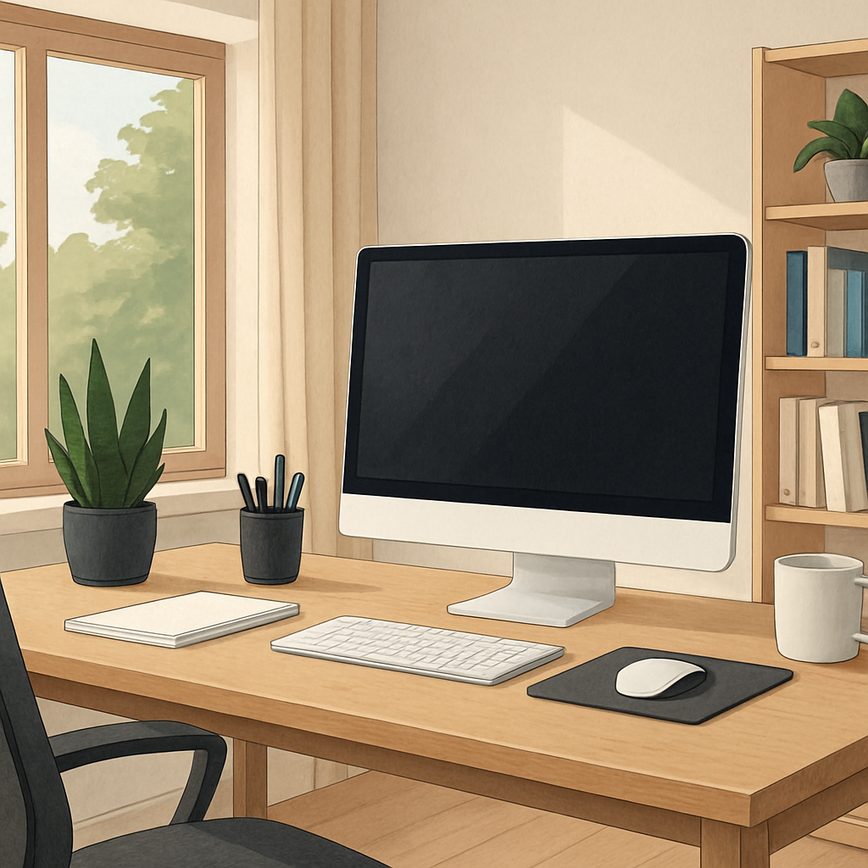
Creating a productive workspace at home
09/04/2026
Designing Your Home Workspace
Creating a productive environment starts with thoughtful home office design and an ergonomic setup that prioritizes comfort and efficiency. An effective workspace layout at home should strike a balance between functionality and personalization, allowing you to focus and sustain productivity throughout your workday.
Begin by selecting ergonomic furniture that supports your posture and reduces strain. Invest in a high-quality adjustable chair with lumbar support and a desk at the appropriate height to keep your wrists and forearms parallel to the floor while typing. An ergonomic setup can help prevent discomfort and long-term health issues, making it easier to maintain concentration over extended periods.
The spatial arrangement of your home office also plays a vital role in enhancing productivity. Position your desk near a source of natural light to boost mood and energy levels, while ensuring screens are angled to avoid glare. Keep frequently used items within arm’s reach to minimize distractions and optimize workflow. Declutter the area regularly to maintain a clean and inspiring workspace layout.
Additionally, consider the use of vertical storage solutions and multi-functional furniture to maximize space in smaller rooms. This approach not only keeps your home office organized but contributes to a calm and efficient atmosphere. Personalize your environment with plants or artwork to create a space where you feel motivated and comfortable.
By combining these elements—ergonomic furniture, smart spatial arrangement, and thoughtful home office design—you can craft a productive environment that enhances well-being and work performance. Prioritize comfort and functionality, and your workspace will be a key asset in achieving daily productivity goals.
Choosing the Right Location
Selecting the ideal workspace location in your home is crucial for productivity and comfort. The first factor to consider is finding a quiet space that minimizes distractions. This ensures you can focus deeply on your tasks without interruptions from household noise or activities. A dedicated home office spot, separate from high-traffic areas like the living room or kitchen, is often the best choice to maintain concentration and efficiency.
Another important aspect is maximizing natural light. A workspace that receives ample daylight not only brightens the area but also helps regulate your circadian rhythm, boosting alertness and mood throughout the day. Position your desk near windows where possible, but be mindful to arrange screens to avoid glare. Good natural lighting creates a welcoming environment, helping reduce eye strain and fatigue.
Additionally, consider the practicality of the location in terms of ergonomics and accessibility. Ensure there’s enough space for your work essentials, ergonomic furniture, and room to move comfortably. Keeping the workspace organized and free of clutter supports a distraction-free area, encouraging sustained productivity. By carefully choosing a workspace location that combines quietude, natural light, and functionality, you set yourself up for success in your home office.
Ergonomic Furniture Essentials
Creating a productive workspace at home starts with investing in the right ergonomic furniture. An ergonomic chair is a fundamental piece of equipment designed to support your body correctly, reduce strain, and enhance comfort during long hours of work. Features like adjustable height, lumbar support, and padded seating ensure that you maintain the correct posture, which helps prevent back pain and fatigue.
Equally important is an adjustable desk, which allows you to alternate between sitting and standing, promoting better circulation and reducing the risks associated with prolonged sitting. A desk that can be tailored to your height and workspace needs contributes significantly to an efficient workstation setup. It also encourages movement and flexibility, key factors in long-term productivity and well-being.
Comfortable seating goes beyond just the chair—it includes cushions, footrests, and even armrests that can be customized to fit your unique body dimensions. These additions help maintain ergonomic alignment and reduce pressure on vulnerable areas. Combined with an ergonomic chair and adjustable desk, they create a cohesive workstation setup that supports comfort and encourages focus.
Ultimately, investing in ergonomic furniture is not just about immediate comfort but about sustaining long-term productivity and health. By choosing the right ergonomic chair, adjustable desk, and comfortable seating options, you create a workspace that helps you stay energized, reduces physical strain, and boosts your overall work performance from home.
Organizing for Maximum Productivity
Creating an efficient and productive workspace begins with effective workspace organization. A cluttered environment can lead to distractions and reduced concentration, ultimately impacting your workflow. To maximize productivity, it is essential to declutter your workspace regularly, removing unnecessary items that do not serve your daily tasks. This simple step helps clear your mind and creates a more inviting, focused atmosphere to work in.
Start by assessing your current workspace and identifying items that are essential versus those that cause clutter. Use storage solutions like shelves, filing cabinets, or drawer organizers to group and store supplies systematically. By having dedicated places for your documents, office tools, and tech devices, you reduce the time spent searching for things and can maintain a tidy surface.
Consider implementing productivity tips such as categorizing items by frequency of use. Keep your most-used items within easy reach, while less frequently accessed materials can be stored further away. This setup streamlines your workflow and minimizes interruptions. Additionally, investing in multifunctional storage solutions like stackable boxes or modular organizers can maximize your space efficiently without overwhelming your desk.
Another useful strategy is to create zones within your workspace dedicated to specific tasks. For example, designate a particular corner for paperwork, another for computer-based activities, and a spot for creative brainstorming. Organizing your workspace this way can enhance focus by mentally preparing you for different types of work and reducing cross-task distractions.
Finally, maintain your organized workspace by setting aside a few minutes each day to tidy up and reassess your storage solutions as your needs evolve. Regularly declutter and rearrange your setup to keep it optimized for productivity. With consistent effort in workspace organization, you’ll find your concentration improving, your workflow becoming smoother, and your overall work experience more enjoyable.
Decluttering Techniques
Creating a minimalist workspace is essential for improving productivity and reducing stress. One effective decluttering tip is to start by assessing every item on your desk and asking if it truly adds value to your workflow. Remove anything unnecessary to keep your organized desk free from distractions.
Use storage solutions such as drawers, shelves, and desk organizers to keep essential items neatly stored and easily accessible. When everything has its designated place, maintaining a clean office becomes much easier. This not only promotes focus but also helps you feel calmer and more in control of your work environment.
Another useful tip is to adopt a daily habit of tidying up your workspace. Spend a few minutes at the end of each day to put away items, clear out paperwork, and wipe down surfaces. This routine prevents clutter from accumulating and keeps your space ready for a fresh start every morning.
Lastly, embrace the philosophy of ‘less is more.’ Keep only vital tools and materials visible, and store or discard the rest. This approach supports mental clarity and ensures that your workspace functions efficiently, helping you stay productive throughout the day.
Effective Storage Solutions
Keeping your home workspace organized can significantly boost productivity, and one of the best ways to achieve this is through effective storage solutions. Various storage ideas such as workspace shelves, drawers, and desk organizers help maintain order by providing designated spots for all your office essentials.
Workspace shelves are excellent for storing books, files, and decorative items. Wall-mounted shelves maximize vertical space, freeing up your desk surface and keeping frequently used items within easy reach. Adjustable shelving units offer flexibility to accommodate different sized objects and can be customized to fit your workspace perfectly.
Drawers are another essential element for office organization. They provide concealed storage, ideal for keeping documents, stationery, and other clutter out of sight while maintaining quick access. Desk drawers with compartments or dividers enhance organization by separating small items like pens, paper clips, and sticky notes.
Desk organizers come in various forms, including trays, caddies, and vertical holders, specially designed to keep your workspace neat and streamline your workflow. Using desk organizers ensures that your most important tools are easily accessible, reducing the time spent searching for items and keeping your desk tidy all day long.
Incorporating these storage solutions into your home office setup creates a clutter-free environment that promotes focus and efficiency. By investing in good shelving, drawers, and desk organizers, you can transform your workspace into a functional and pleasant area that supports your productivity goals.
Boosting Focus and Well-being
Creating a productive workspace at home goes beyond just arranging furniture and organizing equipment. To truly enhance focus and workplace wellness, it’s essential to adopt strategies that promote mental clarity and well-being throughout the workday. One key habit is to incorporate regular breaks. Stepping away from your desk every hour, even if just for a few minutes, can prevent mental fatigue and maintain your concentration levels. These breaks can include stretching, deep breathing exercises, or a short walk, all of which help reset your mind and body.
Proper lighting is another critical aspect of home office mindfulness. Natural light is ideal as it helps regulate your circadian rhythm, which influences your energy and alertness. Position your workspace near a window if possible, and use soft but bright artificial lighting to reduce eye strain during darker hours. Avoid harsh overhead lights and instead opt for task lighting, such as a desk lamp with adjustable brightness and color temperature, which can be customized according to the time of day and your personal needs.
Personal touches in your home office cultivate a sense of comfort and motivation, which are vital for sustaining productive habits. Adding elements like plants, inspiring artwork, or meaningful objects can create a positive atmosphere that fosters focus. A tidy environment also plays a role in reducing distractions and promoting mental order. Regularly decluttering your workspace ensures that only essentials remain nearby, making it easier to stay on task.
Mindfulness practices integrated into your daily routine encourage a balanced approach to work and well-being. Techniques like meditation or focused breathing exercises can be used during breaks or at the beginning and end of the day to center your thoughts and reduce stress. When combined with ergonomic furniture and a well-designed space, these methods enhance your overall home office experience, making it easier to maintain consistent productivity and mental health.
In summary, boosting focus and well-being in your home office involves more than just physical setup. Harnessing focus tips such as scheduled breaks, optimizing lighting for comfort, and incorporating personal and mindful elements contribute significantly to workplace wellness. By embracing these strategies, you create a workspace that supports not only your productivity but also your mental and emotional health.
Importance of Natural Light and Plants
Incorporating natural light and indoor plants into your workspace creates a healthier and more inviting environment. Natural light benefits go beyond mere illumination; it plays a crucial role in enhancing mood and boosting concentration levels throughout the workday. Exposure to daylight helps regulate circadian rhythms, which improves sleep quality and overall energy, allowing you to stay alert and productive.
Indoor plants contribute significantly to workspace ambiance by adding a touch of greenery that reduces stress and promotes a sense of calm. Plants also improve air quality by filtering toxins and increasing oxygen levels, which supports better brain function and respiratory health. Together with natural light, having greenery around transforms the workspace into a more pleasant and stimulating environment.
Creating a workspace that emphasizes natural light and plants sets the stage for a productive, healthy environment. This combination not only refreshes the mind but also helps maintain focus, reduce fatigue, and foster creativity. Prioritizing these elements can lead to a more enjoyable and efficient workday, making it easier to tackle tasks and stay motivated.
Establishing Work-Life Boundaries
Creating a clear separation between work and personal life is crucial for maintaining a healthy work-life balance, especially when working from home. One effective way to achieve this is by establishing specific routines that signal the beginning and end of your workday. For instance, starting your day with a morning ritual like a short walk or a cup of coffee before sitting at your desk can help mentally prepare you for work. Similarly, ending your workday with a consistent activity, such as tidying up your workspace or shutting down your computer, reinforces the boundary between work and personal time.
Physical boundaries within your home office are equally important. Designate a dedicated workspace that is separate from your living or relaxation areas. This helps your brain to associate this space with productivity and focus, making it easier to switch into work mode during office hours. When the workday is over, leaving this space allows you to “leave work behind,” promoting mental detachment and reducing stress.
Incorporating effective time management strategies within your daily productive routines can further reinforce these boundaries. Set clear work hours and communicate them to family or housemates to minimize interruptions. Use tools like calendars or timers to stay on track, allowing for breaks and transitions. Adhering to these home office boundaries will not only boost your productivity but also improve your overall well-being by ensuring that work does not spill over into your personal life.

I’m a longtime fitness enthusiast who loves exploring practical habits that boost daily energy and confidence. Sharing simple, science‑backed routines that help men feel their best is what keeps me motivated every day.