
Healthy long-term lifestyle habits
17/02/2026
Fundamental Healthy Lifestyle Habits
Maintaining healthy habits over the long term requires a commitment to some essential lifestyle basics that support overall wellness fundamentals. Among these, diet, exercise, and sleep stand out as core pillars that foster a sustainable, healthy lifestyle. Embracing these habits can help enhance both physical and mental health, ensuring a balanced and vibrant life.
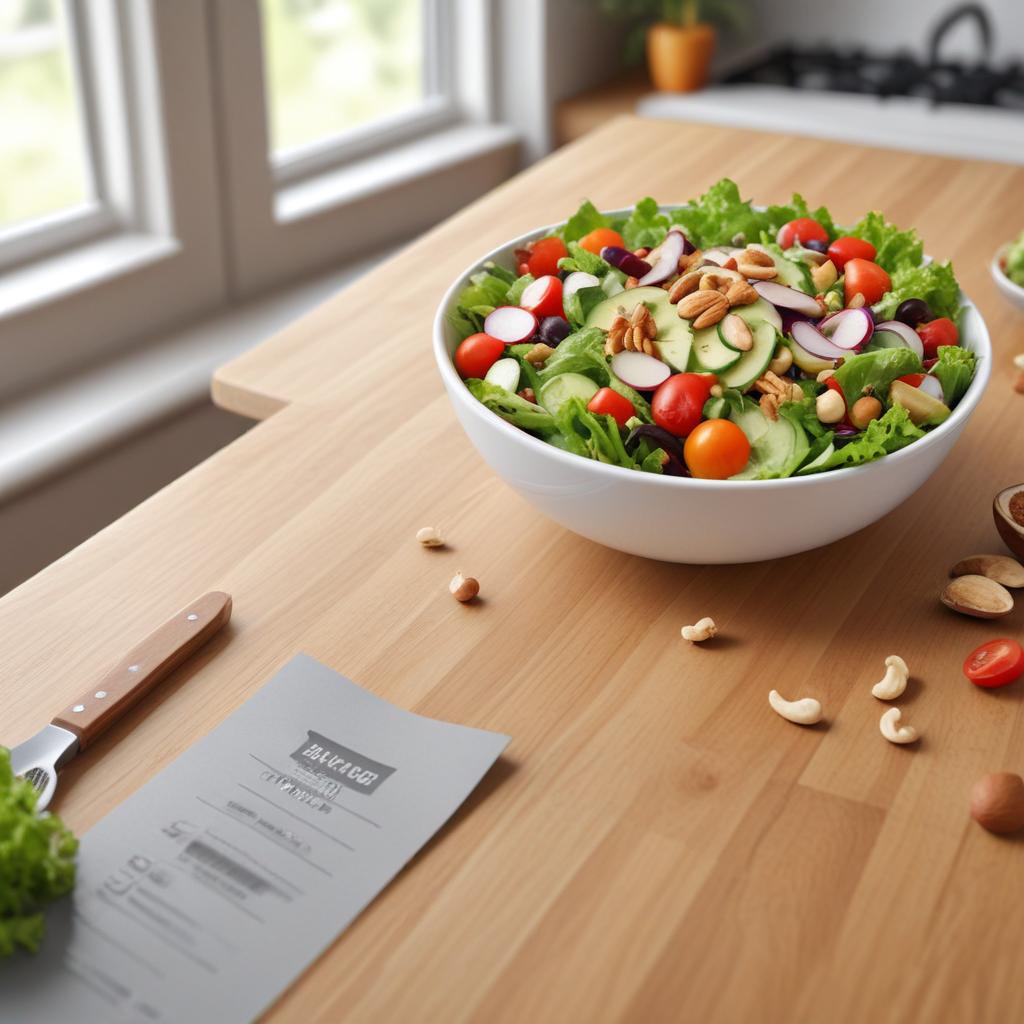
A nutritious diet forms the foundation of healthy habits. Consuming a variety of whole foods, including fruits, vegetables, lean proteins, and whole grains, provides the essential nutrients your body needs to function optimally. Avoiding excessive processed foods, sugars, and unhealthy fats supports not only physical health but also mental clarity and energy levels, reinforcing a lifestyle that prioritizes wellness fundamentals.
Exercise is another critical component of lifestyle basics. Regular physical activity, whether it’s cardiovascular exercises like walking, running, or cycling, or strength training, helps maintain a healthy weight, improves cardiovascular health, and boosts mood through the release of endorphins. Incorporating movement into your day supports long-term health by enhancing muscle strength, flexibility, and endurance, which are key aspects of maintaining vitality as you age.
Equally important is quality sleep. Proper rest is vital for the body to repair itself, consolidate memories, and regulate essential hormones. Poor sleep patterns can lead to detrimental health effects, including weakened immunity, increased stress, and impaired cognitive function. Prioritizing consistent sleep schedules and creating a restful environment are healthy habits that contribute to sustaining energy and focus throughout the day.
Combining these lifestyle basics—balanced diet, regular exercise, and restorative sleep—forms the cornerstone of wellness fundamentals. Developing and maintaining these healthy habits not only supports physical well-being but also promotes mental resilience, helping you achieve a wholesome and thriving life over the long term.
Nutritious Eating Patterns
Adopting balanced eating patterns is essential for maintaining overall wellness and preventing chronic diseases. A balanced diet focuses on incorporating a variety of nutrient-rich foods from all the food groups, ensuring that your body receives the vitamins, minerals, and energy it needs to function optimally. Start by prioritizing whole foods such as fresh fruits, vegetables, whole grains, lean proteins, and healthy fats, which together provide comprehensive nutrition.
Healthy eating is not about strict limitations but rather about mindful choices that promote long-term health. Incorporate colorful vegetables and fruits into every meal to boost your intake of antioxidants and fiber. Whole grains like brown rice, quinoa, and oats supply essential energy and help regulate digestion. Choose lean proteins such as fish, poultry, beans, and nuts to support muscle repair and immune function while limiting processed and red meats.
To promote a balanced diet, consider meal planning and portion control to avoid overeating and ensure variety. Reducing added sugars, sodium, and unhealthy fats while staying hydrated with water supports heart health and reduces the risk of diabetes and obesity. By making gradual, sustainable changes to your eating habits, you can cultivate a nutrient-rich lifestyle that supports longevity and vibrant health.
Consistent Physical Activity
Integrating regular exercise into your daily routine is crucial for maintaining long-term physical fitness and overall well-being. Consistent physical activity not only strengthens muscles and improves cardiovascular health but also enhances mental clarity and emotional balance. Making exercise a habitual part of your lifestyle ensures that the numerous activity benefits are sustained over time, reducing the risk of chronic diseases such as diabetes, heart disease, and obesity.
When you engage in regular exercise, your body adapts by becoming more efficient at using energy and oxygen, which contributes to increased stamina and endurance. Moreover, physical fitness gained from consistent activity promotes better mobility and flexibility, helping you maintain independence as you age. The endorphin release triggered by exercise also acts as a natural mood lifter, combating stress and anxiety.
Creating a balanced routine that includes a mix of cardiovascular activities, strength training, and flexibility exercises maximizes the benefits of physical activity. The key to long-term success lies in finding enjoyable activities that fit seamlessly into your lifestyle, whether it’s walking, swimming, cycling, or yoga. Prioritizing regular exercise sets a foundation for lasting health, vitality, and improved quality of life, making it an essential habit for your daily regimen.
Quality Sleep and Rest
Quality sleep is a cornerstone of a healthy long-term lifestyle, playing a vital role in maintaining physical and mental wellbeing. Good sleep hygiene—the set of practices and environmental conditions that promote restful sleep—can significantly improve the amount and quality of your rest. Key strategies include maintaining a consistent sleep schedule, creating a relaxing bedtime routine, and ensuring a sleep-friendly environment free from noise and excessive light. Avoiding stimulants like caffeine and heavy meals close to bedtime also supports better sleep quality.
Understanding the benefits of restful sleep highlights why it is crucial for sustainable health. Sleep allows the body to repair itself, supports immune function, enhances memory consolidation, and regulates mood. Chronic sleep deprivation is linked to increased risks of cardiovascular disease, diabetes, obesity, and impaired cognitive function. Therefore, prioritizing adequate rest is not a luxury but a necessity for long-term vitality and optimal performance in daily life.
By adopting mindful habits around sleep hygiene and recognizing the profound sleep benefits, individuals set a foundation for sustained energy and resilience. Investing in restful sleep is investing in one’s overall quality of life and longevity, enabling healthier choices and enhanced wellbeing across all areas.
Mental and Emotional Well-being Practices
Maintaining mental health and emotional well-being is a cornerstone of a healthy long-term lifestyle. Key habits that support these areas foster resilience, helping individuals navigate life’s challenges with strength and balance. Prioritizing mental health involves cultivating awareness, managing stress, and building emotional resilience through consistent, positive practices.
One essential habit for emotional well-being is regular stress management. Techniques such as mindfulness meditation, deep breathing exercises, and progressive muscle relaxation can significantly reduce daily stress levels. These practices calm the nervous system, improve focus, and promote a sense of peace, which are vital for sustaining mental health over time.
Maintaining social connections also plays a critical role in emotional resilience. Engaging with supportive friends and family provides emotional support and reduces feelings of isolation, which are linked to mental health struggles. Positive relationships create a safety net that enhances coping abilities during stressful periods and contributes to overall happiness and well-being.
Incorporating physical activity into daily routines is another mental health booster. Exercise stimulates the production of endorphins and other brain chemicals that improve mood and decrease anxiety. It also promotes better sleep, which is closely linked to emotional well-being, helping to regulate emotions and clear the mind.
Setting realistic goals and developing a structured daily routine can reduce uncertainty and enhance emotional stability. When mental health is supported by consistent habits, it becomes easier to manage the inevitable stresses of life. Additionally, seeking professional support when needed—such as therapy or counseling—is an important practice in maintaining long-term mental wellness.
Finally, practicing gratitude and positive thinking encourages a healthy mindset. Focusing on the positive aspects of life reduces chronic stress and builds emotional strength. Together, these habits create a robust framework for managing mental health and emotional well-being, enabling a healthy and fulfilling lifestyle.
Stress Reduction Techniques
Managing and reducing stress is essential for maintaining overall well-being, and there are several effective stress relief methods worth incorporating into your daily routine. Mindfulness, for example, encourages focusing on the present moment, helping to quiet a busy mind and promote inner calm. Practicing mindfulness regularly can increase awareness of stress triggers and improve emotional regulation.
Meditation is another powerful relaxation strategy that can reduce stress significantly. Simple meditation techniques, such as deep breathing exercises or guided meditations, help to slow the heart rate, lower blood pressure, and calm the nervous system. These benefits contribute to an enhanced sense of relaxation and mental clarity.
Other relaxation strategies include activities like progressive muscle relaxation, yoga, and spending time in nature. These methods promote physical relaxation, reduce muscle tension, and improve mood, all of which support stress relief. Integrating these techniques into your lifestyle can create a foundation for healthier responses to daily pressures and challenges.
Incorporating stress reduction techniques like mindfulness, meditation, and other relaxation strategies into your routine is key to fostering long-term mental and physical health. Regular practice not only manages stress effectively but also enhances resilience, enabling you to handle life’s ups and downs with greater ease.
Healthy Social Connections
Positive social interactions and community engagement play a crucial role in maintaining emotional health. Building and nurturing healthy relationships provide a strong foundation of social support, which helps individuals cope with stress, reduce feelings of loneliness, and enhance overall well-being. When people actively participate in their communities, they often experience a sense of belonging and purpose, which are vital components of emotional stability.
Engaging in community activities fosters connections that bring people together with shared interests and values. These social networks act as buffers against mental health challenges by offering encouragement, advice, and practical assistance. Healthy relationships, characterized by trust, respect, and open communication, encourage personal growth and resilience, enabling individuals to navigate life’s ups and downs more effectively.
Moreover, social support gained through meaningful connections has been linked to lower rates of depression and anxiety. Community involvement can motivate individuals to adopt healthier lifestyles and provide emotional resources during difficult times. In essence, prioritizing social support and community engagement cultivates a nurturing environment that sustains long-term emotional health and enhances quality of life.
Sustainable Lifestyle Choices for Longevity
Embracing sustainability in our daily habits is crucial for achieving long-term health and wellness. Incorporating sustainable lifestyle choices means adopting routines and behaviors that can be maintained over a lifetime without causing harm to our well-being or the environment. This approach not only enhances our physical health but also supports mental clarity and emotional balance.
One of the key elements of sustainability in health is developing consistent healthy routines. Regular physical activity, balanced nutrition, and adequate sleep create a foundation that supports the body’s natural ability to heal and regenerate. Choosing whole, minimally processed foods rich in nutrients ensures that the body receives vital elements necessary for longevity, while avoiding the pitfalls of fad diets that often compromise health over time.
Another vital habit is mindful consumption — being aware of what we put into our bodies and how it affects our energy and vitality. This extends beyond food to include limiting exposure to toxins, such as excessive alcohol, tobacco, and environmental pollutants. Building routines that prioritize hydration, stress management, and regular medical checkups further bolster our long-term health goals.
Sustainability also involves fostering a supportive environment that encourages healthy choices. Surrounding yourself with positive influences, whether through community, social connections, or access to wellness resources, enhances adherence to beneficial routines and mitigates stressors that can undermine health.
Finally, viewing health as a lifelong journey allows for flexibility and adaptability in your routines. Sustainable choices are not about perfection but about making informed decisions that promote well-being over time. By committing to habits that nourish the body, mind, and spirit, you cultivate resilience and vitality that contribute to a longer, healthier life.
Avoiding Harmful Substances
Adopting healthy long-term lifestyle habits requires a conscious effort to avoid or reduce harmful substances. One of the most significant steps in supporting your overall health is to quit smoking. Smoking introduces a multitude of toxins into the body, damaging the lungs, heart, and other vital organs. By quitting smoking, you not only reduce the risk of chronic illnesses like cancer and heart disease but also improve your respiratory health and increase your life expectancy.
Additionally, reducing alcohol consumption plays a crucial role in maintaining long-term well-being. Excessive alcohol intake can lead to liver damage, weakened immune function, and increased risk of accidents and mental health issues. Limiting alcohol helps your body restore balance, improves sleep quality, and enhances mental clarity and emotional stability.
Avoiding toxins in everyday environments is another key factor in promoting long-lasting health. This includes minimizing exposure to harmful chemicals in household products, processed foods, and pollution. Choosing natural and organic alternatives whenever possible reduces the burden on your body’s detoxification systems and prevents chronic inflammation. Together, these habits create a stronger foundation for your health, ensuring vitality and resilience throughout your life.
Regular Health Monitoring
Routine health assessments and regular health checkups play a crucial role in maintaining long-term wellness. These periodic evaluations, which include comprehensive screenings and consultations, help in early detection of potential health issues before they develop into serious conditions. By engaging in preventive care, individuals can identify risk factors such as high blood pressure, elevated cholesterol, or early signs of chronic diseases, allowing timely interventions and lifestyle adjustments.
Preventive care not only reduces the likelihood of severe health complications but also promotes a proactive approach to well-being. Regular visits to healthcare professionals encourage a better understanding of one’s health status, fostering informed decisions about diet, exercise, and mental health management. Early detection through health checkups can significantly improve treatment outcomes, reduce healthcare costs, and enhance quality of life by preventing diseases from progressing.
Incorporating routine health monitoring as a habitual practice emphasizes the importance of ongoing self-care, supporting sustained vitality and energy. It empowers individuals to track their health improvements, manage existing conditions effectively, and adapt to changes that occur with aging. Ultimately, health checkups and preventive care are foundational habits that contribute to a balanced, healthy lifestyle and long-term wellness.

I’m a longtime fitness enthusiast who loves exploring practical habits that boost daily energy and confidence. Sharing simple, science‑backed routines that help men feel their best is what keeps me motivated every day.