
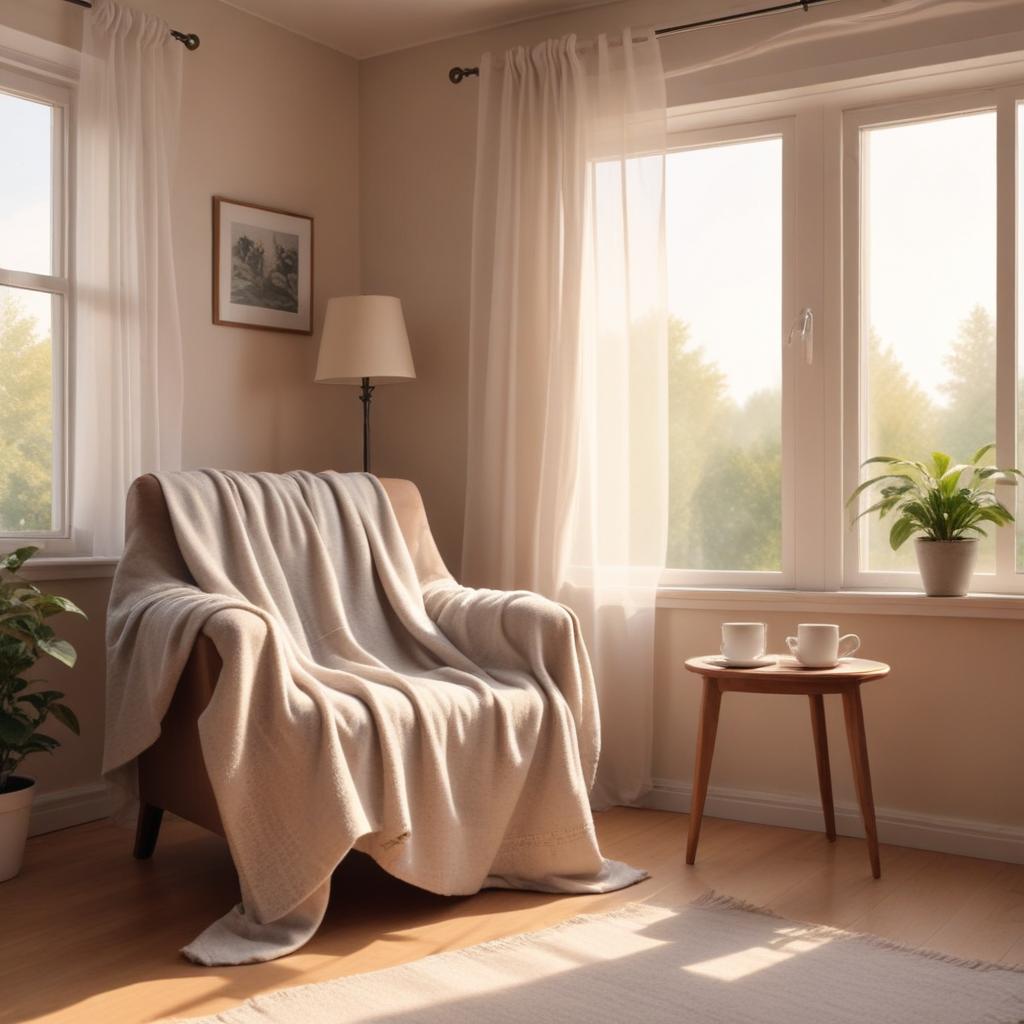
How to unwind after long days
24/02/2026
The health improvement resulting from these consistent unwinding habits goes beyond mental calmness. Physiologically, relaxation lowers blood pressure, enhances immune function, and promotes overall wellbeing. When the body is allowed to recover and recharge regularly, individuals experience greater energy levels, improved mood, and enhanced resilience against daily challenges.
Incorporating relaxation into your daily routine is not just about feeling good in the moment—it’s about fostering a sustainable lifestyle that nurtures your physical and mental health over time. By prioritizing these practices, you’re investing in long-term wellness and a higher quality of life.
Effective Methods to Unwind After Long Days
After a long and stressful day, it’s essential to find effective unwind methods to help your mind and body relax. Incorporating relaxation techniques into your post-work routine can significantly reduce tension and improve your overall well-being. Here are some practical and proven strategies to help you decompress and recharge.
One of the simplest yet most effective relaxation techniques is deep breathing. Taking slow, deliberate breaths activates your parasympathetic nervous system, which calms the body and reduces stress hormones. Try practicing deep breathing for a few minutes whenever you feel overwhelmed after work.
Another great method to unwind is through gentle physical activity such as yoga or stretching. These activities not only relieve muscle tension built up during the day but also promote mindfulness, drawing your attention to the present moment. This helps ease mental clutter and induces a sense of calm.
Listening to calming music or nature sounds is also an excellent post-work relaxation technique. It creates a soothing environment that can instantly change your mood and help your brain transition from work mode to relaxation mode. Choose playlists specifically designed for relaxation to enhance this effect.
Engaging in a creative hobby like drawing, journaling, or crafting can serve as a therapeutic unwind method. These activities divert your focus from stressful thoughts and allow you to express yourself freely, which can be very cathartic and refreshing.
Finally, setting aside time for a warm bath with essential oils or bath salts is a timeless way to relax. The warmth of the water helps relax tight muscles and the aromas can have calming effects on your nervous system, making it an ideal way to decompress deeply after a demanding day.
By consistently integrating these relaxation techniques and unwind methods into your daily routine, you can improve your capacity to manage stress and enjoy more restful evenings. Prioritizing post-work relaxation is key to maintaining a healthy balance between your professional and personal life.
Physical Activities to Relieve Stress
Engaging in physical activities is a highly effective way to relieve stress and promote relaxation. Exercise for relaxation not only helps in reducing tension in the muscles but also releases endorphins that boost your mood and overall sense of well-being. Among the most popular methods to unwind are yoga, stretching exercises, and light physical activity, all of which provide a gentle yet impactful approach to easing mental and physical stress.
Yoga benefits extend well beyond physical fitness. This ancient practice combines deep breathing, meditation, and poses that increase flexibility and strength. By focusing on breathing techniques and mindful movements, yoga enables you to calm your mind and reduce anxiety, which is particularly useful after long, stressful days. Many people find that incorporating yoga into their daily routine significantly improves their ability to relax and recharge.
Stretching exercises are another excellent way to alleviate muscle tightness and improve circulation. Gentle stretches help release built-up tension from prolonged sitting or physical strain, making your body feel more comfortable and relaxed. Incorporating simple stretching sequences into your evening routine can prepare your body for better rest and recovery.
Light exercise such as walking, cycling, or swimming also plays an essential role in stress relief. These activities increase blood flow and oxygen to the brain, which enhances cognitive function and mood stabilization. Even short bouts of light exercise can interrupt stressful thought patterns and create a sense of mental clarity and peace.
Mental Techniques for Relaxation
After a long day, using mental techniques such as meditation, deep breathing, and mindfulness can be powerful ways to unwind and reduce stress. Meditation involves focusing your mind and eliminating distractions, allowing you to achieve a peaceful state. This practice can help calm racing thoughts and promote emotional balance.
Deep breathing exercises are another effective mental relaxation strategy. By consciously controlling your breath—taking slow, deep inhales followed by longer exhales—you stimulate the parasympathetic nervous system, which helps lower heart rate and ease tension. Practicing deep breathing for just a few minutes can create immediate calming effects.
Mindfulness is the act of paying full attention to the present moment without judgment. By observing your thoughts and sensations as they arise, mindfulness helps break the cycle of stress-related worries about the past or future. Integrating mindfulness into daily routines can enhance overall mental clarity and resilience.
Combining meditation, deep breathing, and mindfulness creates a holistic approach to mental relaxation. These techniques are easily accessible and require no special equipment, making them ideal for unwinding after demanding days. Regular practice can improve sleep quality, reduce anxiety, and foster a greater sense of inner calm.
Creating a Soothing Environment at Home
Creating a calming environment at home is essential for truly unwinding after long days. One of the most effective home relaxation tips involves optimizing your space with ambient lighting. Soft, warm lights can instantly transform a room, helping to reduce stress and signaling to your brain that it’s time to relax. Avoid harsh, bright lights in the evening and instead opt for dimmable lamps or string lights that create a cozy atmosphere.
In addition to lighting, incorporating relaxing scents can deepen the sense of calm. Aromatherapy using essential oils like lavender, chamomile, or eucalyptus promotes tranquility and helps ease tension. You can diffuse these scents using candles, oil diffusers, or scented sachets strategically placed throughout your home.
Another critical element is designating a quiet space where external distractions are minimized. This peaceful corner or room should be free from clutter and noise, allowing you to focus on relaxation techniques such as meditation, reading, or gentle stretching. Combining these elements—ambient lighting, soothing scents, and quiet spaces—creates a holistic calming environment that supports total relaxation and rejuvenation.
Lifestyle Adjustments to Support Daily Relaxation
Incorporating healthy habits into your daily routine is fundamental to supporting effective relaxation and unwinding after long days. A balanced lifestyle enhances your mental and physical well-being, making it easier to transition from busy activities to peaceful rest.
One of the most impactful lifestyle adjustments is prioritizing sleep hygiene. Establish a consistent sleep schedule by going to bed and waking at the same times every day, even on weekends. This routine helps regulate your body’s internal clock, improving the quality of your sleep and increasing your ability to unwind naturally. Additionally, create a sleep-friendly environment by minimizing noise and light disturbances, and avoiding electronic screens at least an hour before bedtime.
Daily habits like incorporating calming activities—such as meditation, light stretching, or reading—can signal to your body that it’s time to relax. These moments of mindfulness integrated into your routine help lower stress levels and prepare your mind and muscles for rest. Avoid consuming heavy meals, caffeine, or alcohol close to bedtime, as these can interfere with sleep quality and relaxation processes.
Another key adjustment is managing your exposure to natural light. During the day, try to spend some time outside or near windows, as natural light exposure positively influences your circadian rhythm and energy levels. In the evening, dim your lighting to encourage melatonin production, which facilitates sleep and relaxation.
Finally, organizing your daily routine to include periods of downtime, even brief ones, helps maintain a steady rhythm of relaxation throughout your day. Setting boundaries between work and leisure, such as designating specific times for checking emails or social media, limits overstimulation and mental fatigue.
By weaving these lifestyle adjustments into your habits, you foster an environment where relaxing becomes a regular, almost automatic part of your day. Remember, consistent dedication to sleep hygiene, healthy habits, and a mindful daily routine collectively enhances your overall relaxation success and well-being.
Improving Sleep Quality
Establishing a consistent bedtime routine is key to enhancing sleep quality and helping the body naturally unwind and recover overnight. Start by setting a fixed sleep schedule, going to bed and waking up at the same time every day, even on weekends. This regulates your internal clock and reduces insomnia issues.
Incorporate calming activities into your pre-sleep routine such as reading a book, taking a warm bath, or practicing gentle yoga or meditation. These sleep tips help signal your brain that it is time to wind down, making it easier to fall asleep and stay asleep through the night.
Avoid screens and bright lights at least an hour before bed, as the blue light emitted can interfere with melatonin production. Instead, create a soothing environment with dim lighting and comfortable bedding, making your bedroom a sanctuary for rest.
Diet and lifestyle also play a role in sleep quality. Limit caffeine and heavy meals in the evening, and consider relaxing herbal teas like chamomile. Regular physical activity during the day promotes deeper sleep but avoid vigorous exercise close to bedtime.
By following these sleep tips and developing a healthy bedtime routine, you can combat insomnia and improve your overall well-being, ensuring your body recovers fully while you rest.
Balancing Work and Personal Life
Achieving a healthy work-life balance is essential for reducing stress and creating the time needed to unwind after long days. Effective time management plays a crucial role in balancing workload and personal commitments. Start by prioritizing tasks and setting clear boundaries between work hours and personal time. This helps prevent work from spilling over into your downtime, allowing you to fully relax and recharge.
Incorporate regular breaks throughout your workday to maintain productivity and reduce burnout. Use tools like calendars or task management apps to organize your schedule efficiently, ensuring that there is ample time reserved for personal activities and relaxation. Communicating openly with your employer about workload and deadlines can also alleviate pressure, making your work hours more manageable.
Stress reduction techniques such as mindfulness, exercise, or hobbies during your personal time can further enhance your overall well-being. By consciously managing your work responsibilities alongside personal needs, you create a balanced lifestyle that supports both professional success and restful downtime, ultimately making it easier to unwind and enjoy quality personal time.
Understanding the Importance of Unwinding
Unwinding after long days is essential not only for immediate relaxation but also for sustaining overall health and well-being. The benefits of unwinding extend far beyond just feeling good in the moment; they play a crucial role in stress relief, improving mental health, and boosting physical vitality. When we take time to unwind, we allow our minds and bodies to recover from the demands and pressures we experience daily.
One of the primary benefits of unwinding is stress relief. Chronic stress can lead to a multitude of health problems such as anxiety, depression, heart disease, and weakened immune function. By deliberately setting aside time to unwind, we help reduce the production of stress hormones like cortisol, thereby lowering stress levels and helping our bodies return to a state of balance. This stress relief directly supports better mental health, which is fundamental for overall happiness and productivity.
Mental health thrives when we prioritize relaxation. Unwinding gives the brain a chance to disconnect from work-related or stressful thoughts, enabling clearer thinking and improved emotional regulation. Activities that promote relaxation, such as reading, meditation, or gentle exercise, encourage mindfulness and presence, which help reduce symptoms of anxiety and depression. This mental clarity also enhances creativity, problem-solving, and decision-making abilities.
Physically, unwinding helps alleviate the tension that builds up in muscles after a long day of activity or sitting in one position. It improves sleep quality by calming the nervous system, which is essential for physical restoration and immune function. Regularly setting aside time to unwind also lowers blood pressure and decreases the risk of heart-related conditions by promoting more balanced body functioning.
In summary, the importance of unwinding lies in its holistic benefits to both mental and physical health. By incorporating moments of relaxation into our daily routine, we support stress relief, boost mental wellness, and foster physical recovery. Embracing these benefits can lead to a healthier, more balanced, and fulfilling life.
Effects of Stress on the Body and Mind
Stress effects can manifest profoundly in both the body and mind, especially when relaxation is lacking over extended periods. Physically, stress may trigger a range of symptoms including headaches, muscle tension, fatigue, and digestive issues. These physical stress symptoms arise because the body is constantly in a heightened state of alert, which exhausts energy reserves and weakens the immune system.
Mental stress is equally impactful, often leading to anxiety, irritability, difficulty concentrating, and insomnia. Persistent mental stress diminishes cognitive function and emotional resilience, making it harder to cope with daily challenges. Over time, the combination of physical and mental stress symptoms can contribute to more serious health conditions such as hypertension, depression, and chronic pain.
Recognizing these stress effects early is critical to preventing burnout and maintaining overall well-being. Incorporating regular relaxation practices helps counteract the negative impacts of stress by calming the nervous system and allowing both the body and mind to recover. Without such interventions, prolonged stress creates a vicious cycle where physical discomfort exacerbates mental strain, and vice versa.
Long-term Benefits of Regular Relaxation
Engaging in regular relaxation routines offers profound relaxation benefits that extend beyond just momentary relief. Consistently unwinding after long days can significantly improve sleep quality by calming the mind and reducing the tension that often disrupts restful nights. This improved sleep is crucial for maintaining optimal health and cognitive function.
Moreover, regular relaxation plays a pivotal role in effective stress management. By dedicating time daily to relaxation, the body’s stress response is minimized, leading to lower levels of anxiety and a more balanced emotional state. This practice helps to mitigate the harmful effects of chronic stress, which can otherwise contribute to serious health issues.
The health improvement resulting from these consistent unwinding habits goes beyond mental calmness. Physiologically, relaxation lowers blood pressure, enhances immune function, and promotes overall wellbeing. When the body is allowed to recover and recharge regularly, individuals experience greater energy levels, improved mood, and enhanced resilience against daily challenges.
Incorporating relaxation into your daily routine is not just about feeling good in the moment—it’s about fostering a sustainable lifestyle that nurtures your physical and mental health over time. By prioritizing these practices, you’re investing in long-term wellness and a higher quality of life.
Effective Methods to Unwind After Long Days
After a long and stressful day, it’s essential to find effective unwind methods to help your mind and body relax. Incorporating relaxation techniques into your post-work routine can significantly reduce tension and improve your overall well-being. Here are some practical and proven strategies to help you decompress and recharge.
One of the simplest yet most effective relaxation techniques is deep breathing. Taking slow, deliberate breaths activates your parasympathetic nervous system, which calms the body and reduces stress hormones. Try practicing deep breathing for a few minutes whenever you feel overwhelmed after work.
Another great method to unwind is through gentle physical activity such as yoga or stretching. These activities not only relieve muscle tension built up during the day but also promote mindfulness, drawing your attention to the present moment. This helps ease mental clutter and induces a sense of calm.
Listening to calming music or nature sounds is also an excellent post-work relaxation technique. It creates a soothing environment that can instantly change your mood and help your brain transition from work mode to relaxation mode. Choose playlists specifically designed for relaxation to enhance this effect.
Engaging in a creative hobby like drawing, journaling, or crafting can serve as a therapeutic unwind method. These activities divert your focus from stressful thoughts and allow you to express yourself freely, which can be very cathartic and refreshing.
Finally, setting aside time for a warm bath with essential oils or bath salts is a timeless way to relax. The warmth of the water helps relax tight muscles and the aromas can have calming effects on your nervous system, making it an ideal way to decompress deeply after a demanding day.
By consistently integrating these relaxation techniques and unwind methods into your daily routine, you can improve your capacity to manage stress and enjoy more restful evenings. Prioritizing post-work relaxation is key to maintaining a healthy balance between your professional and personal life.
Physical Activities to Relieve Stress
Engaging in physical activities is a highly effective way to relieve stress and promote relaxation. Exercise for relaxation not only helps in reducing tension in the muscles but also releases endorphins that boost your mood and overall sense of well-being. Among the most popular methods to unwind are yoga, stretching exercises, and light physical activity, all of which provide a gentle yet impactful approach to easing mental and physical stress.
Yoga benefits extend well beyond physical fitness. This ancient practice combines deep breathing, meditation, and poses that increase flexibility and strength. By focusing on breathing techniques and mindful movements, yoga enables you to calm your mind and reduce anxiety, which is particularly useful after long, stressful days. Many people find that incorporating yoga into their daily routine significantly improves their ability to relax and recharge.
Stretching exercises are another excellent way to alleviate muscle tightness and improve circulation. Gentle stretches help release built-up tension from prolonged sitting or physical strain, making your body feel more comfortable and relaxed. Incorporating simple stretching sequences into your evening routine can prepare your body for better rest and recovery.
Light exercise such as walking, cycling, or swimming also plays an essential role in stress relief. These activities increase blood flow and oxygen to the brain, which enhances cognitive function and mood stabilization. Even short bouts of light exercise can interrupt stressful thought patterns and create a sense of mental clarity and peace.
Mental Techniques for Relaxation
After a long day, using mental techniques such as meditation, deep breathing, and mindfulness can be powerful ways to unwind and reduce stress. Meditation involves focusing your mind and eliminating distractions, allowing you to achieve a peaceful state. This practice can help calm racing thoughts and promote emotional balance.
Deep breathing exercises are another effective mental relaxation strategy. By consciously controlling your breath—taking slow, deep inhales followed by longer exhales—you stimulate the parasympathetic nervous system, which helps lower heart rate and ease tension. Practicing deep breathing for just a few minutes can create immediate calming effects.
Mindfulness is the act of paying full attention to the present moment without judgment. By observing your thoughts and sensations as they arise, mindfulness helps break the cycle of stress-related worries about the past or future. Integrating mindfulness into daily routines can enhance overall mental clarity and resilience.
Combining meditation, deep breathing, and mindfulness creates a holistic approach to mental relaxation. These techniques are easily accessible and require no special equipment, making them ideal for unwinding after demanding days. Regular practice can improve sleep quality, reduce anxiety, and foster a greater sense of inner calm.
Creating a Soothing Environment at Home
Creating a calming environment at home is essential for truly unwinding after long days. One of the most effective home relaxation tips involves optimizing your space with ambient lighting. Soft, warm lights can instantly transform a room, helping to reduce stress and signaling to your brain that it’s time to relax. Avoid harsh, bright lights in the evening and instead opt for dimmable lamps or string lights that create a cozy atmosphere.
In addition to lighting, incorporating relaxing scents can deepen the sense of calm. Aromatherapy using essential oils like lavender, chamomile, or eucalyptus promotes tranquility and helps ease tension. You can diffuse these scents using candles, oil diffusers, or scented sachets strategically placed throughout your home.
Another critical element is designating a quiet space where external distractions are minimized. This peaceful corner or room should be free from clutter and noise, allowing you to focus on relaxation techniques such as meditation, reading, or gentle stretching. Combining these elements—ambient lighting, soothing scents, and quiet spaces—creates a holistic calming environment that supports total relaxation and rejuvenation.
Lifestyle Adjustments to Support Daily Relaxation
Incorporating healthy habits into your daily routine is fundamental to supporting effective relaxation and unwinding after long days. A balanced lifestyle enhances your mental and physical well-being, making it easier to transition from busy activities to peaceful rest.
One of the most impactful lifestyle adjustments is prioritizing sleep hygiene. Establish a consistent sleep schedule by going to bed and waking at the same times every day, even on weekends. This routine helps regulate your body’s internal clock, improving the quality of your sleep and increasing your ability to unwind naturally. Additionally, create a sleep-friendly environment by minimizing noise and light disturbances, and avoiding electronic screens at least an hour before bedtime.
Daily habits like incorporating calming activities—such as meditation, light stretching, or reading—can signal to your body that it’s time to relax. These moments of mindfulness integrated into your routine help lower stress levels and prepare your mind and muscles for rest. Avoid consuming heavy meals, caffeine, or alcohol close to bedtime, as these can interfere with sleep quality and relaxation processes.
Another key adjustment is managing your exposure to natural light. During the day, try to spend some time outside or near windows, as natural light exposure positively influences your circadian rhythm and energy levels. In the evening, dim your lighting to encourage melatonin production, which facilitates sleep and relaxation.
Finally, organizing your daily routine to include periods of downtime, even brief ones, helps maintain a steady rhythm of relaxation throughout your day. Setting boundaries between work and leisure, such as designating specific times for checking emails or social media, limits overstimulation and mental fatigue.
By weaving these lifestyle adjustments into your habits, you foster an environment where relaxing becomes a regular, almost automatic part of your day. Remember, consistent dedication to sleep hygiene, healthy habits, and a mindful daily routine collectively enhances your overall relaxation success and well-being.
Improving Sleep Quality
Establishing a consistent bedtime routine is key to enhancing sleep quality and helping the body naturally unwind and recover overnight. Start by setting a fixed sleep schedule, going to bed and waking up at the same time every day, even on weekends. This regulates your internal clock and reduces insomnia issues.
Incorporate calming activities into your pre-sleep routine such as reading a book, taking a warm bath, or practicing gentle yoga or meditation. These sleep tips help signal your brain that it is time to wind down, making it easier to fall asleep and stay asleep through the night.
Avoid screens and bright lights at least an hour before bed, as the blue light emitted can interfere with melatonin production. Instead, create a soothing environment with dim lighting and comfortable bedding, making your bedroom a sanctuary for rest.
Diet and lifestyle also play a role in sleep quality. Limit caffeine and heavy meals in the evening, and consider relaxing herbal teas like chamomile. Regular physical activity during the day promotes deeper sleep but avoid vigorous exercise close to bedtime.
By following these sleep tips and developing a healthy bedtime routine, you can combat insomnia and improve your overall well-being, ensuring your body recovers fully while you rest.
Balancing Work and Personal Life
Achieving a healthy work-life balance is essential for reducing stress and creating the time needed to unwind after long days. Effective time management plays a crucial role in balancing workload and personal commitments. Start by prioritizing tasks and setting clear boundaries between work hours and personal time. This helps prevent work from spilling over into your downtime, allowing you to fully relax and recharge.
Incorporate regular breaks throughout your workday to maintain productivity and reduce burnout. Use tools like calendars or task management apps to organize your schedule efficiently, ensuring that there is ample time reserved for personal activities and relaxation. Communicating openly with your employer about workload and deadlines can also alleviate pressure, making your work hours more manageable.
Stress reduction techniques such as mindfulness, exercise, or hobbies during your personal time can further enhance your overall well-being. By consciously managing your work responsibilities alongside personal needs, you create a balanced lifestyle that supports both professional success and restful downtime, ultimately making it easier to unwind and enjoy quality personal time.