
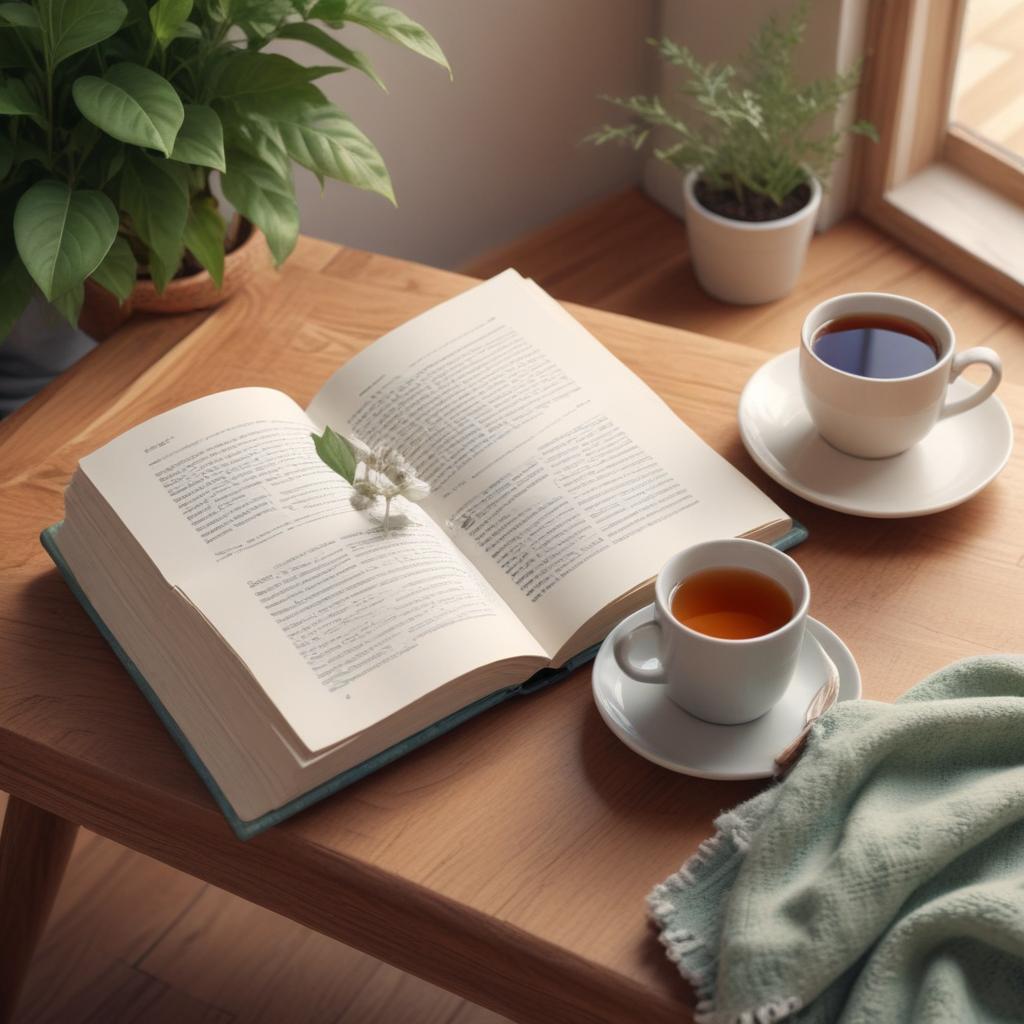
Slow-paced activities for relaxation
17/02/2026
Benefits of Slow-Paced Activities for Relaxation
Slow-paced activities offer numerous relaxation benefits that significantly contribute to improved mental health. Engaging in these activities allows individuals to step away from the fast-paced demands of daily life and enter a state of calm focus. This intentional slowdown is particularly effective for stress relief, as it helps reduce the physical and mental tension that accumulates from constant stimulation and pressure.
One of the key ways slow-paced activities promote relaxation is by encouraging mindfulness. When you partake in activities such as gentle walking, gardening, or yoga, your attention naturally shifts to the present moment. This focused state helps quiet the mind’s chatter and prevents overwhelming thoughts from taking over, thereby enhancing mental clarity and emotional balance. The result is a reduction in anxiety and an overall sense of peace.
Additionally, slow-paced activities improve focus and concentration, which are essential components of mental health. By practicing slower, deliberate movements or tasks, the brain is given the opportunity to reset and recharge. This mental break from multitasking and rushing boosts cognitive function and allows for better decision-making and problem-solving once you return to more demanding situations.
Moreover, these activities activate the body’s relaxation response, lowering heart rate and blood pressure, which are key physiological markers of stress relief. The calming effect on the nervous system not only helps alleviate immediate feelings of stress but also supports long-term emotional resilience. This means that regular engagement in slow-paced activities can help individuals manage stress more effectively over time.
In summary, slow-paced activities provide comprehensive benefits for relaxation by fostering mindfulness, reducing stress, and improving focus. Incorporating these gentle practices into daily routines is a simple yet powerful way to enhance mental health and promote a balanced, restful state of being.
Physical and Mental Health Advantages
Engaging in slow-paced activities offers numerous benefits for both physical health and mental health. One of the key advantages is the ability to lower blood pressure, which is essential for maintaining a healthy heart and reducing the risk of cardiovascular diseases. When your body is relaxed and your mind is calm, you experience less strain on your cardiovascular system, promoting overall wellness.
Additionally, slow-paced activities help in reducing anxiety by encouraging a focus on the present moment. This focused attention fosters a calm mind, allowing you to manage stress more effectively. Such activities often promote body relaxation, releasing tension held in muscles and reducing physical symptoms of stress, which further contributes to emotional balance.
Enhancing mindfulness is another significant benefit. By engaging in gentle, deliberate movements or quiet contemplation, you become more aware of your thoughts, emotions, and bodily sensations. This heightened awareness supports better mental health by helping to prevent overwhelming feelings and improving emotional regulation. Collectively, these physical and mental health benefits create a powerful foundation for lasting relaxation and well-being.
Improved Sleep and Stress Management
Engaging in slow-paced activities is a powerful way to promote better sleep and enhance stress management. These relaxation techniques encourage a state of calm and mindfulness, which helps to quiet the mind and reduce anxiety levels. By embracing slow living, individuals create a conducive environment for their bodies to wind down, making it easier to fall asleep and enjoy deeper, more restorative rest. This natural rhythm supports the body’s internal clock, improving overall sleep quality.
Stress management is also significantly improved through activities that emphasize slowness and intentionality. Slow-paced practices such as gentle yoga, meditation, or leisurely walks activate the parasympathetic nervous system, responsible for relaxation and recovery. This activation lowers cortisol levels—the stress hormone—helping to mitigate the physical and mental symptoms of stress. Incorporating these relaxation techniques into daily routines fosters resilience against stressors and enhances emotional wellbeing.
Integrating slow living into one’s lifestyle ultimately nurtures a balanced, peaceful state of mind. The consistent practice of slow-paced activities equips individuals with tools to handle daily pressures more effectively while boosting sleep quality. This synergy between better sleep and reduced stress forms a foundation for sustained health and wellness, proving that slowing down is essential for both body and mind.
Popular Slow-Paced Activities to Try
- Gardening: Engaging with nature through gardening is a fantastic slow-paced activity. It offers a chance to focus on nurturing plants, which can be very mindful and soothing. Gardening as a relaxation method helps reduce stress and improves mood while connecting you to the earth and its natural rhythms.
- Reading: Diving into a good book is a classic leisure activity that encourages relaxation and mental escape. Taking time to read slowly allows you to absorb the content fully and practice mindfulness. It’s an excellent way to unwind after a busy day and engage your mind without rushing.
- Yoga and Stretching: These gentle physical activities emphasize slow movements and controlled breathing. They combine physical relaxation with mental focus, making them ideal mindful hobbies. Practicing yoga or simple stretching routines regularly helps in calming the mind, improving flexibility, and reducing tension.
- Painting and Drawing: Artistic expression through painting or drawing invites a calm, focused state of mind. These leisure activities encourage creativity and presence, allowing you to relax deeply. The slow, deliberate strokes used in art-making are effective relaxation methods that promote mindfulness.
- Cooking or Baking: Preparing meals with intention and care can be a therapeutic slow-paced activity. Cooking and baking invite you to focus on the process, savoring each step. These mindful hobbies nurture creativity and provide a tangible, rewarding outcome that can enhance your sense of well-being.
- Walking in Nature: Taking leisurely walks in parks, forests, or by the water combines gentle exercise with peaceful surroundings. This slow-paced activity encourages mindfulness as you observe the sights, sounds, and smells around you, supporting relaxation and mental clarity.
- Meditation: Sitting quietly and focusing inward through meditation is a powerful relaxation method. Whether guided or silent, meditation trains your mind to stay present and calm. It’s a foundational mindful hobby that supports emotional balance and stress reduction.
Mindfulness and Meditation
Mindfulness and meditation are powerful techniques that help cultivate a state of calm awareness and promote relaxation. Mindfulness involves paying deliberate attention to the present moment, observing thoughts, feelings, and bodily sensations without judgment. This practice encourages a focused awareness that can reduce stress and enhance emotional resilience.
Meditation is a broader practice that often incorporates mindfulness but can also involve guided relaxation, breathing exercises, or focusing on a mantra or visualization. These techniques serve to quiet the mind, slow down racing thoughts, and trigger the body’s natural relaxation response. Regular meditation helps decrease cortisol levels—the hormone associated with stress—leading to improved mood and reduced anxiety.
Guided relaxation sessions are particularly effective for beginners, as they provide step-by-step instructions that direct attention toward deepening relaxation and mental clarity. Breathing exercises, another common meditation tool, enhance relaxation by regulating the breath, which in turn influences the nervous system to calm down and restore balance. Deep, slow breaths activate the parasympathetic nervous system, slowing heart rate and lowering blood pressure.
Incorporating mindfulness and meditation into your daily routine can create a peaceful mental space that counters the chaos of everyday life. These slow-paced activities are not only accessible but also scientifically proven to promote relaxation and effectively alleviate stress, making them excellent tools for enhancing overall well-being.
Gentle Yoga and Stretching
Gentle yoga and stretching exercises offer a peaceful way to enhance body awareness and promote relaxation. By focusing on slow movement and mindful breathing, these routines help calm the mind while easing muscle tension. Incorporating relaxation poses such as child’s pose, cat-cow stretch, and seated forward fold encourages deep relaxation and mindfulness, allowing you to connect with your body’s sensations and release stress.
Practicing gentle yoga involves a series of stretching exercises designed to improve flexibility and circulation without strain. Movements are deliberate and slow, which helps to awaken the senses and create a soothing rhythm. These exercises are accessible to all fitness levels, making it easy to integrate into a daily self-care routine for enhanced mental clarity and emotional balance.
Beyond physical benefits, gentle yoga and stretching promote a meditative state by encouraging present-moment awareness. As you transition through each posture with mindful attention, you cultivate a deeper sense of calm and relaxation. Embracing this slow-paced practice can help reduce anxiety, improve sleep quality, and foster overall well-being by harmonizing the body and mind through gentle movement and breath.
Leisurely Creative Activities
Engaging in creative hobbies such as painting, knitting, or journaling offers a peaceful escape from the fast-paced demands of daily life. These relaxing pastimes, often categorized under slow crafting, encourage a deliberate and soothing rhythm that promotes mindfulness and tranquility. Taking time to carefully select colors for a painting or rhythmically weave stitches in knitting allows your mind to focus fully on the present moment, a core principle of art therapy that supports mental well-being.
Creative activities not only foster self-expression but also provide an opportunity to unwind and recharge. Journaling, for example, offers a reflective practice where you can slowly explore thoughts and feelings at your own pace, creating a calming routine that benefits emotional health. This slow and intentional approach to creativity helps reduce stress by redirecting attention from worries to the tactile and sensory experience of making art or crafting.
Whether you are new to creative hobbies or an experienced artist, embracing slow crafting as a relaxing pastime nourishes both the mind and body. It invites a gentle pause, cultivating patience and a deeper appreciation for the process, rather than rushing toward a finished product. Ultimately, these leisurely creative activities serve as soothing rituals that enhance relaxation and contribute to overall well-being.
Tips for Integrating Slow-Paced Activities into Daily Life
Incorporating a slow-paced lifestyle into your busy routine may feel challenging, but it is a powerful way to achieve daily relaxation and overall stress reduction. The key is to make small, mindful changes that fit seamlessly into your day, allowing you to enjoy the benefits of slow living without overwhelming your schedule.
Start by setting aside just a few minutes each day for slow-paced activities. Whether it’s a brief meditation session, gentle stretching, or mindful breathing exercises, these moments act as valuable pauses to reset your mind and body. Consistency is more important than duration, so even five minutes of mindful living can lead to remarkable improvements in relaxation and stress levels.
Integrate slow-paced activities into your daily rituals. For example, turn your morning coffee or tea time into a calming ritual free from distractions like smartphones or emails. Use this quiet time to savor the flavors mindfully and set a peaceful tone for the day ahead. Such mindful moments enhance your connection with the present and cultivate a sense of calm.
Another practical tip is to replace multitasking with focused, single-tasking efforts. Although it may seem counterintuitive in a busy schedule, focusing on one task at a time can boost efficiency and reduce mental clutter. This approach aligns with slow-paced living principles and encourages deeper engagement with your activities, reducing overall stress.
Consider scheduling breaks that encourage slow-paced activities such as reading a few pages of a book, taking a mindful walk, or engaging in gentle hobbies like coloring or knitting. Treat these intervals as non-negotiable appointments in your calendar—just like work meetings—to ensure they become part of your daily relaxation routine.
Finally, avoid overloading your day with too many commitments. Learn to say no when necessary and create boundaries that allow space for relaxation. Prioritizing self-care through slow-paced practices not only lowers stress but also enhances your overall quality of life by fostering a sustainable balance between activity and rest.
Creating a Relaxation Routine
Establishing a relaxation routine is essential for cultivating daily habits that promote stress relief and self-care. Begin by dedicating a specific time each day to unwind, whether it’s in the morning, during a midday break, or before bedtime. Consistency is key to turning this time into a meaningful daily ritual that your mind and body recognize as an opportunity to relax.
Incorporate simple, slow-paced activities such as deep breathing exercises, gentle stretching, or mindfulness meditation. These help create a calm environment that encourages the nervous system to slow down and reduces the accumulation of stress throughout the day. Over time, these habits will enhance your ability to transition from a busy state to one of tranquility.
Self-care doesn’t have to be elaborate; it can be as simple as enjoying a warm cup of herbal tea, reading a few pages of a favorite book, or listening to soothing music. The important part is to choose activities that you genuinely enjoy and that foster relaxation. By embedding these into your daily routine, you signal to yourself the importance of taking intentional breaks for mental and emotional rejuvenation.
Remember, creating a relaxation routine is a personal journey. Experiment with different activities until you find the perfect balance that helps you unwind. Over time, these daily habits will not only reduce stress but also improve your overall well-being and resilience to life’s challenges.
Setting Boundaries and Reducing Distractions
In the pursuit of a slow-paced lifestyle, setting boundaries and effective distraction management play crucial roles. By clearly defining personal limits, you create a space where your time and energy are preserved, making it easier to focus on what truly matters. This intentional approach helps to minimize interruptions from external demands and digital noise that often lead to stress and hurried living.
Focus techniques such as time-blocking, prioritizing tasks, and creating tech-free zones can reinforce these boundaries. When you consciously reduce distractions, you not only enhance your productivity but also foster a calm environment conducive to relaxation and mindfulness. This deliberate slowing down is essential to embracing slow living, allowing you to savor moments rather than rushing through them.
By integrating setting boundaries and distraction management into your daily routine, you promote mental clarity and emotional balance. This steady rhythm supports sustainable habits that align with your values and well-being. Ultimately, cultivating these practices empowers you to live more intentionally, enhancing your overall quality of life while maintaining the peaceful essence of slow-paced activities.

I’m a longtime fitness enthusiast who loves exploring practical habits that boost daily energy and confidence. Sharing simple, science‑backed routines that help men feel their best is what keeps me motivated every day.