
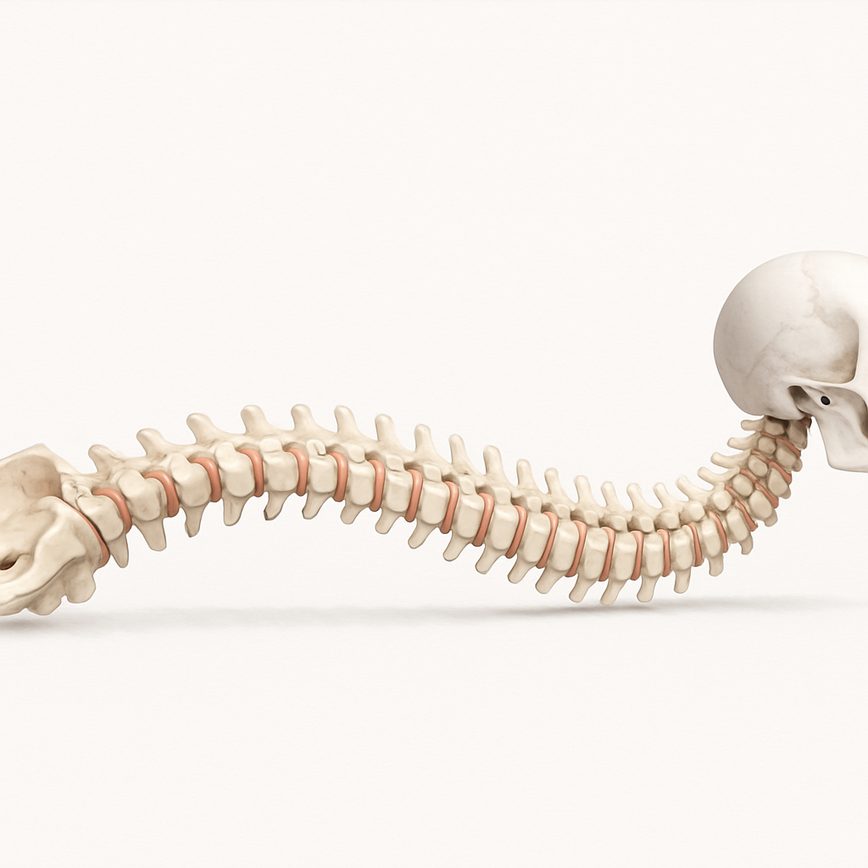
Stretching routines for better posture
31/03/2026
In addition, incorporating strengthening exercises for your core and back muscles supports your posture naturally. A strong core stabilizes your spine and reduces the likelihood of slouching. Whether through prescribed exercises or daily activities like brisk walking or light resistance training, reinforcing these muscles will keep your posture habits consistent and healthy.
Finally, using reminders can help build consistent posture habits. Place notes or set alarms on your phone to check your posture at regular intervals. Over time, these cues will train your body to adopt better posture without conscious effort. Combining these practical interventions with your stretching routine will ensure you sustain improved posture, reduce discomfort, and promote overall well-being.
Ergonomic Adjustments for Work and Home
Setting up your work and living environments with ergonomics in mind is essential for maintaining a healthy work posture and preventing discomfort or injury. Whether you are at a traditional office desk or a home office setup, the right ergonomic adjustments can support your posture and overall well-being.
Start by choosing a chair that offers lumbar support and allows your feet to rest flat on the floor, ensuring that your knees are at a 90-degree angle. Your desk height should enable your forearms to be parallel to the ground when typing or using a mouse, minimizing strain on your wrists and shoulders. Position your computer monitor at eye level and about an arm’s length away to prevent neck strain from looking up or down for extended periods.
In a home office setup, it is particularly important to replicate these ergonomic principles, even if space is limited. Consider using adjustable desks or stands to alternate between sitting and standing. Proper lighting also plays a role—reduce glare and ensure your workspace is well-lit to avoid slouching or leaning forward. Incorporating small adjustments like wrist rests and footrests can further enhance comfort and support good work posture throughout the day.
By taking the time to design an ergonomic workspace at work and home, you create a foundation that supports healthy posture, improves comfort, and reduces the risk of musculoskeletal issues, ultimately contributing to better productivity and well-being.
Incorporating Movement Breaks
Incorporating movement breaks throughout your day is essential to preventing stiffness and maintaining good posture. These short, active breaks help counteract the effects of prolonged sitting and keep your muscles engaged. Aim to take posture breaks every 30 to 60 minutes by standing up, stretching, or walking around for a few minutes.
One effective way to introduce movement breaks is by setting a timer on your phone or computer. When the alarm goes off, take a moment to perform simple stretches such as shoulder rolls, neck stretches, or back extensions. These active breaks relieve tension and reduce muscle fatigue, which can improve overall posture.
You can also try integrating movement into your daily routine by standing or pacing during phone calls, or by doing light stretches during commercial breaks if you’re watching TV. These small adjustments add up and make it easier to maintain better posture throughout the day.
Remember, the key is consistency—frequent posture breaks combined with mindful stretching support the natural alignment of your spine and reduce the risk of discomfort or injury related to poor posture. Make movement breaks a regular habit to keep your body energized and healthy.
Understanding the Importance of Posture
Maintaining good posture is not just about looking confident and poised; it plays a critical role in your overall health and daily comfort. The benefits of good posture extend beyond aesthetics, influencing various aspects of your physical well-being and how you feel throughout the day.
One of the primary posture benefits is the reduction of strain on muscles and ligaments. When your body is aligned properly, it distributes weight evenly, preventing undue pressure on specific joints or muscles. This balanced distribution helps avoid fatigue and discomfort, allowing you to move more freely and with less effort. Good posture also minimizes the risk of developing chronic pain, particularly in the neck, shoulders, and back, which are common problem areas for many people.
Beyond muscular health, good posture supports the optimal function of your organs. Slouching or poor alignment can compress your chest and abdominal cavity, restricting lung capacity and digestion. By maintaining a straight and aligned posture, you enable better breathing and improve circulation, which are vital for energy levels and overall organ health.
Posture health also has a significant impact on your nervous system. Proper alignment reduces irritation to the spine and nerves, helping to prevent numbness, tingling, or shooting pains that can interfere with daily activities. This nerve protection contributes to better coordination and balance, reducing the risk of falls and injuries.
In daily life, having good posture translates to greater comfort and endurance. Whether you’re sitting at a desk, standing for long periods, or engaging in physical activity, maintaining proper posture helps you avoid unnecessary aches and stiffness. It promotes efficient movement and makes repetitive tasks easier, allowing you to stay active and productive with less discomfort.
Ultimately, regular attention to posture health is a simple yet powerful way to support your overall quality of life. Incorporating good posture habits and stretching routines into your daily routine not only enhances your physical health but also boosts your confidence and presence. Taking care of your posture is an investment in long-term wellness and daily comfort that pays off in many ways.
Common Causes of Poor Posture
Posture problems often develop due to a combination of lifestyle choices and habitual behaviors. One of the primary causes poor posture is prolonged sitting, especially when slouching at a desk or computer. Many people spend hours each day hunched over screens, which promotes posture issues such as rounded shoulders and forward head posture.
Another significant contributor to posture problems is a lack of physical activity. When muscles, especially those in the core and back, become weak or imbalanced, they cannot support the spine properly. This leads to poor alignment and discomfort over time. Additionally, repetitive movements or carrying heavy bags on one side can cause muscular imbalances that further exacerbate posture issues.
Stress and fatigue may also play a role in poor posture. When people are tired or mentally strained, they tend to slump or adopt less mindful positions, which can reinforce bad habits. Improper ergonomic setups, such as poorly adjusted chairs or workstations, also contribute to common causes poor posture.
Finally, poor posture can stem from a combination of the above factors, highlighting the importance of awareness and corrective practices. Addressing these posture causes early can prevent long-term discomfort and improve overall wellbeing.
Health Risks Associated with Bad Posture
Bad posture can lead to several posture health risks that have serious implications for overall well-being. One of the most common bad posture effects is chronic pain, particularly in the neck, shoulders, and lower back. When the spine is misaligned due to poor posture, muscles and ligaments are strained, causing discomfort and tension that can develop into persistent pain over time.
In addition to pain, bad posture can contribute to posture complications such as reduced mobility and flexibility. When joints and muscles are not positioned properly, it limits the range of motion and negatively affects balance, making everyday movements more difficult and increasing the risk of falls or injuries. This limitation hampers daily activities and can also reduce physical performance.
Furthermore, poor posture can affect the nervous system as compressed nerves may lead to numbness, tingling, or weakness in certain parts of the body. Proper posture is essential to maintain the natural curves of the spine, which protect nerve pathways and ensure optimal function. Over time, ignoring posture health risks can lead to more serious complications such as herniated discs or musculoskeletal disorders.
Overall, addressing bad posture effects early is imperative to avoid long-term health issues. Adopting good posture habits and incorporating stretching routines can help reduce these risks, improve pain management, and enhance overall mobility and quality of life.
Effective Stretching Routines to Improve Posture
Incorporating a targeted stretching routine into your daily regimen can significantly enhance your posture and spinal alignment. Good posture is essential not only for appearance but also for preventing chronic pain and improving overall well-being. Stretching exercises designed specifically to support posture help to lengthen tight muscles, release tension, and promote a natural, upright alignment of the spine.
One of the most effective posture exercises involves opening the chest and strengthening the muscles around the shoulder blades. For instance, doorway chest stretches help counteract the slouching that results from prolonged sitting or hunching over devices. By gently pulling the arms back while standing in a doorway, you stretch the chest muscles and encourage an upright posture.
Another vital stretch for posture is the cat-cow stretch performed on all fours. This dynamic movement increases flexibility in the spine, mobilizing each vertebra and easing stiffness in the back. It also engages the core muscles, which play an important role in supporting the spine from the inside.
Additionally, incorporating a hip flexor stretch into your routine is crucial, especially for those who spend many hours sitting. Tight hip flexors pull the pelvis forward, creating an exaggerated lower back curve that disrupts spinal alignment. Stretching these muscles helps to realign the pelvis and relieve undue pressure on the lumbar spine.
For comprehensive improvement, combining these stretches into a daily posture exercise routine promotes balance between muscle groups and reinforces spinal health. Integrating regular stretch for posture activities not only supports proper alignment but also improves circulation and reduces the risk of musculoskeletal injuries. Commit to these exercises consistently, and you will notice a remarkable difference in your posture and overall comfort throughout the day.
Morning Stretching Routine
Starting your day with a morning stretch can set a positive tone and improve your posture throughout the day. This posture morning routine includes simple yet effective stretching exercises morning that help awaken your muscles and align your body properly.
- Neck Rolls: Gently roll your neck in a circle, 5 times clockwise and 5 times counterclockwise to release tension and improve alignment.
- Shoulder Shrugs: Lift your shoulders up toward your ears and then relax them down. Repeat 10 times to ease stiffness and encourage proper shoulder posture.
- Chest Opener Stretch: Clasp your hands behind your back and gently lift your chest while pulling your shoulder blades together. Hold for 20 seconds to open up your chest and counteract forward hunching.
- Cat-Cow Stretch: On all fours, alternate arching your back towards the ceiling and dipping it toward the floor. Repeat 10 times to mobilize the spine and improve posture awareness.
- Spinal Twist: Sit or stand tall, then slowly twist your torso to one side while keeping hips facing forward. Hold for 15 seconds on each side to stretch the spine and improve flexibility.
- Hamstring Stretch: While standing, place one heel on a low surface and lean forward gently to stretch the back of your thigh. Hold each side for 20 seconds to help maintain pelvic alignment throughout the day.
Incorporate this morning stretch routine daily to enhance body posture and feel energized. These stretching exercises morning boost circulation and prepare your body for the day ahead.
Desk-Friendly Stretches
Spending long hours sitting at your desk can take a toll on your posture and overall well-being. Incorporating simple desk stretches into your daily routine can help counteract the effects of prolonged sitting and improve your posture. These office stretches are designed to be performed easily without leaving your workspace.
Start with seated spinal twists to relieve tension in your back. While seated, place your right hand on the back of your chair and gently twist your torso to the right, holding the position for 15-30 seconds. Repeat on the left side. This stretch promotes spinal mobility and helps reduce stiffness caused by sitting.
Next, try neck stretches to combat forward head posture common in desk work. Slowly tilt your head toward one shoulder and hold for 15 seconds, then switch sides. Additionally, gently pull your chin toward your chest and hold to stretch the back of your neck. These desk stretches help alleviate neck strain and encourage proper head alignment.
Don’t forget chest opener stretches to counteract rounded shoulders. Clasp your hands behind your back and straighten your arms while lifting your chest and squeezing your shoulder blades together. Hold for 20 seconds. This posture desk exercise opens the chest and helps restore natural alignment.
Incorporating these desk-friendly stretches regularly can enhance your comfort, reduce musculoskeletal pain, and promote better posture even when confined to your office chair.
Evening Stretching to Relax and Align
Incorporating evening stretches into your nightly routine is a powerful way to promote posture relaxation and prepare your body for restful sleep. Begin with gentle neck stretches by slowly tilting your head side to side, releasing tension accumulated throughout the day. Follow this with shoulder rolls, moving them in slow circles to ease stiffness and encourage better alignment.
Next, focus on your upper back by clasping your hands in front of you and rounding your shoulders forward, extending the stretch between your shoulder blades. This motion helps counteract the forward hunch from prolonged sitting and reinforces good posture. Move on to a seated spinal twist, which realigns the spine and loosens tight muscles around the torso.
Finally, engage in gentle hamstring and calf stretches while seated or lying down to relax the muscles in your lower body. These evening stretches not only reduce muscular tension but also enhance circulation, making it easier to maintain proper posture throughout the night. Consistently practicing this nighttime stretching routine will promote overall relaxation and prepare both your body and mind for restorative sleep, supporting long-term spinal health.
Tips for Maintaining Good Posture Daily
Maintaining good posture is essential for overall health and comfort, especially after committing to stretching routines that improve your alignment. To ensure lasting benefits, incorporating daily posture maintenance habits is crucial. These daily posture tips will help you stay mindful of your body position throughout the day, reducing strain and supporting your spine’s natural curvature.
Start by being aware of how you sit and stand. When sitting, keep your feet flat on the floor and avoid crossing your legs for long periods. Use a chair that supports the natural curve of your lower back, and try to sit back fully so your back rests against the chair. When standing, distribute your weight evenly across both feet and keep your shoulders relaxed but not slouched. Regularly remind yourself to align your ears over your shoulders and your shoulders over your hips.
Taking short movement breaks every 30 to 60 minutes is another effective habit for posture maintenance. Prolonged periods of sitting or standing can lead to muscle stiffness and poor posture habits. Simple movements such as shoulder rolls, neck stretches, or even a brief walk can reactivate your muscles and reinforce good posture habits learned during stretching routines.
In addition, incorporating strengthening exercises for your core and back muscles supports your posture naturally. A strong core stabilizes your spine and reduces the likelihood of slouching. Whether through prescribed exercises or daily activities like brisk walking or light resistance training, reinforcing these muscles will keep your posture habits consistent and healthy.
Finally, using reminders can help build consistent posture habits. Place notes or set alarms on your phone to check your posture at regular intervals. Over time, these cues will train your body to adopt better posture without conscious effort. Combining these practical interventions with your stretching routine will ensure you sustain improved posture, reduce discomfort, and promote overall well-being.
Ergonomic Adjustments for Work and Home
Setting up your work and living environments with ergonomics in mind is essential for maintaining a healthy work posture and preventing discomfort or injury. Whether you are at a traditional office desk or a home office setup, the right ergonomic adjustments can support your posture and overall well-being.
Start by choosing a chair that offers lumbar support and allows your feet to rest flat on the floor, ensuring that your knees are at a 90-degree angle. Your desk height should enable your forearms to be parallel to the ground when typing or using a mouse, minimizing strain on your wrists and shoulders. Position your computer monitor at eye level and about an arm’s length away to prevent neck strain from looking up or down for extended periods.
In a home office setup, it is particularly important to replicate these ergonomic principles, even if space is limited. Consider using adjustable desks or stands to alternate between sitting and standing. Proper lighting also plays a role—reduce glare and ensure your workspace is well-lit to avoid slouching or leaning forward. Incorporating small adjustments like wrist rests and footrests can further enhance comfort and support good work posture throughout the day.
By taking the time to design an ergonomic workspace at work and home, you create a foundation that supports healthy posture, improves comfort, and reduces the risk of musculoskeletal issues, ultimately contributing to better productivity and well-being.
Incorporating Movement Breaks
Incorporating movement breaks throughout your day is essential to preventing stiffness and maintaining good posture. These short, active breaks help counteract the effects of prolonged sitting and keep your muscles engaged. Aim to take posture breaks every 30 to 60 minutes by standing up, stretching, or walking around for a few minutes.
One effective way to introduce movement breaks is by setting a timer on your phone or computer. When the alarm goes off, take a moment to perform simple stretches such as shoulder rolls, neck stretches, or back extensions. These active breaks relieve tension and reduce muscle fatigue, which can improve overall posture.
You can also try integrating movement into your daily routine by standing or pacing during phone calls, or by doing light stretches during commercial breaks if you’re watching TV. These small adjustments add up and make it easier to maintain better posture throughout the day.
Remember, the key is consistency—frequent posture breaks combined with mindful stretching support the natural alignment of your spine and reduce the risk of discomfort or injury related to poor posture. Make movement breaks a regular habit to keep your body energized and healthy.

I’m a longtime fitness enthusiast who loves exploring practical habits that boost daily energy and confidence. Sharing simple, science‑backed routines that help men feel their best is what keeps me motivated every day.