
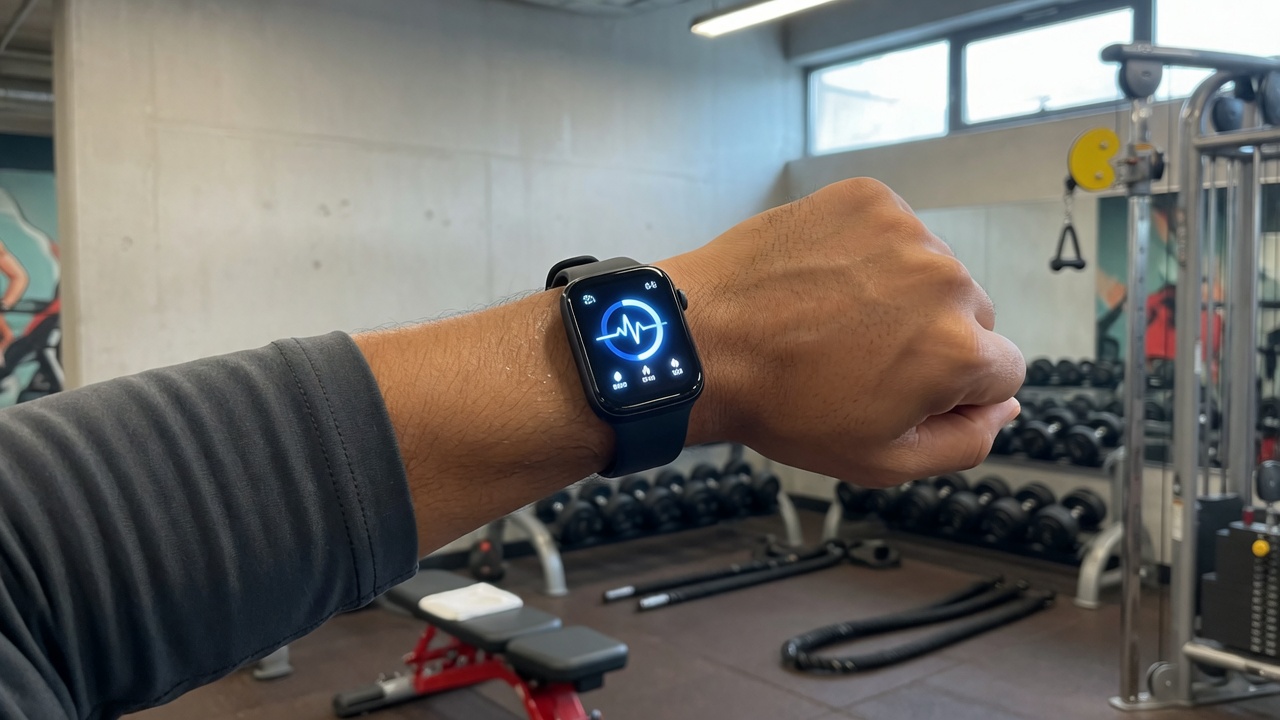
How to track fitness and lifestyle progress
10/06/2026
Understanding the Importance of Tracking Fitness and Lifestyle Progress
Tracking fitness and lifestyle progress is an essential practice for anyone committed to improving their health and achieving their wellness goals. By consistently monitoring your activities, workouts, and lifestyle choices, you create a clear and objective record of where you started and how far you’ve come, which can have a profound impact on your motivation. When you see tangible results and improvements over time, it fuels your enthusiasm to keep pushing forward and making better choices.
One of the key benefits of tracking fitness is that it provides you with detailed insights into your performance. Whether it’s tracking your running distance, the number of steps taken each day, or your strength progression in the gym, keeping a log of your efforts enables you to identify patterns, strengths, and areas requiring improvement. This data-driven approach makes it easier to adjust your routine intelligently, thereby enhancing the likelihood of achieving your desired outcomes.
Fitness tracking also extends beyond workouts to include lifestyle progress such as sleep quality, nutrition, and stress levels. Monitoring these aspects holistically ensures you’re not only physically active but also fostering overall well-being. When you notice positive changes—like improved sleep or better dietary habits—it reinforces the importance of lifestyle balance and motivates you to maintain these healthy behaviors.
Moreover, the benefits of tracking reach into the realm of health improvements. Regularly assessing your progress allows for early detection of any setbacks or plateaus, helping you address issues before they escalate. Whether your goals involve weight management, cardiovascular health, or increased energy levels, consistent tracking offers measurable feedback that can be shared with healthcare professionals or trainers to tailor your plan effectively.
Ultimately, embracing fitness tracking and lifestyle progress monitoring empowers you to take control of your health journey. It transforms abstract goals into concrete milestones and fosters a sense of accountability and accomplishment. By investing time in tracking your progress, you build a strong foundation for sustained motivation, smarter decision-making, and meaningful improvements in both fitness and overall quality of life.
Motivation and Goal Setting
Tracking progress is a powerful tool that significantly boosts motivation and helps in setting clear, achievable fitness goals. When you monitor your advancements regularly, you gain a tangible sense of accomplishment, which fuels your desire to stay committed to your fitness journey.
Effective goal setting depends heavily on understanding where you currently stand and how far you want to go. Progress tracking provides this insight by offering measurable data points that guide you in creating realistic and personalized goals aligned with your capabilities and lifestyle.
- Maintains motivation: Seeing consistent improvements, no matter how small, reinforces positive behavior and encourages you to keep pushing forward.
- Enhances goal setting: By analyzing your progress, you can adjust your goals to be SMART (Specific, Measurable, Achievable, Relevant, Time-bound), ensuring they are both challenging and attainable.
- Identifies patterns: Tracking allows you to notice trends in your performance and lifestyle, helping you refine your approach and overcome plateaus.
- Builds accountability: Recording your fitness activities and lifestyle changes creates a sense of responsibility that keeps you focused and consistent.
- Boosts confidence: Achieving milestones through methodical progress tracking elevates your self-belief, which is crucial for long-term success.
Incorporating progress tracking into your routine transforms goal setting from a vague ambition into a strategic plan, making it easier to stay motivated and focused on your fitness journey.
Health Benefits and Awareness
Tracking fitness metrics offers numerous health benefits, significantly enhancing fitness awareness and providing valuable insights into one’s physical condition. By consistently monitoring variables such as heart rate, sleep patterns, physical activity, and calorie intake, individuals can develop a clearer understanding of their overall health status. This improved awareness helps in recognizing early signs of potential health issues before they escalate into more serious problems.
One of the primary tracking advantages is the ability to identify trends and patterns that may otherwise go unnoticed. For example, sudden changes in resting heart rate or sleep quality can signal underlying health concerns, prompting timely medical consultation. Additionally, tracking promotes accountability and motivation, encouraging healthier lifestyle choices and sustained fitness efforts.
By using fitness tracking tools, individuals can customize their wellness routines based on real-time data, optimizing exercise intensity and recovery periods. This personalized approach not only improves physical performance but also lowers the risk of injury and chronic disease. Ultimately, the integration of fitness tracking into daily life empowers people to take proactive steps toward maintaining and enhancing their long-term health.
Methods and Tools for Tracking Fitness Progress
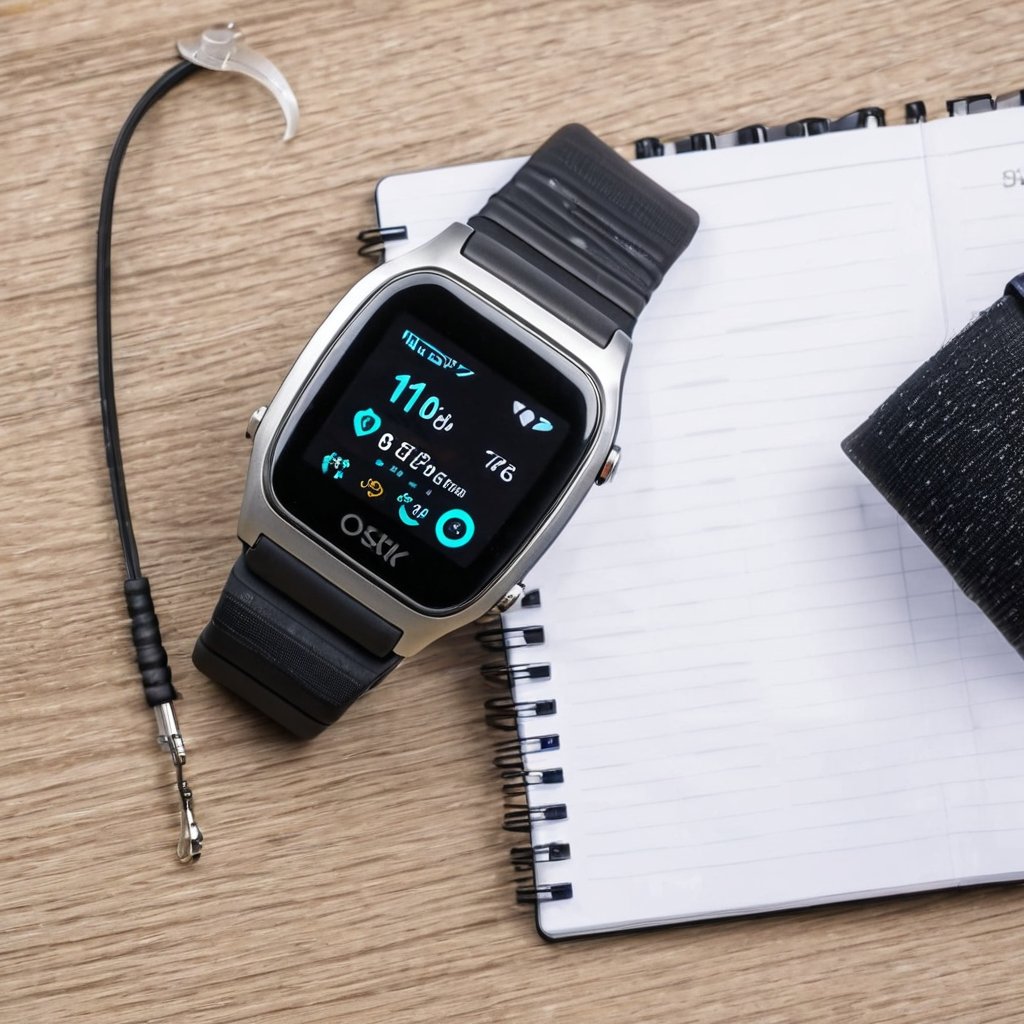
Tracking your fitness progress effectively requires the right methods and tools, which can vary based on personal preferences and fitness goals. Utilizing a mix of fitness tracking methods can provide comprehensive insights into your progress and help you stay motivated.
One of the most popular and convenient fitness tracking methods is using fitness apps. These applications are designed to log workouts, monitor nutrition, and track overall activity. Many apps integrate with wearable devices to automatically update your progress, syncing data like steps taken, calories burned, and heart rate. Some notable fitness apps offer customized workout plans, progress charts, and social sharing features that encourage consistent engagement.
Wearable devices have rapidly transformed the fitness tracking landscape by providing real-time monitoring and personalized feedback. Devices such as smartwatches and fitness bands track metrics including sleep quality, distance covered, heart rate variability, and even blood oxygen levels. These tracking tools are easy to wear and offer immediate access to your fitness stats, making it easier to adjust your workouts and lifestyle habits as needed.
Besides digital tools, traditional methods like manual logs remain valuable for those who prefer a hands-on approach. Writing down daily exercise routines, diet logs, and feelings about workouts can foster mindfulness and help identify patterns over time. Manual logging can be complemented by printed charts and calendars to visualize progress and set tangible goals.
In summary, combining various fitness tracking methods—apps, wearables, and manual logs—can offer a well-rounded view of your health journey. Fitness apps and wearable devices provide automated, data-driven insights, whereas manual logs enhance personal reflection. Employing these tracking tools effectively supports goal setting, accountability, and motivation as you work towards a healthier lifestyle.
Using Wearable Devices and Fitness Apps
Wearable technology and fitness apps have revolutionized the way we monitor and improve our health and physical activities. These tools offer an accessible and effective way to track fitness progress by providing real-time data on various health metrics such as heart rate, steps taken, calories burned, sleep quality, and more. Activity trackers worn on the wrist or other body parts are designed to be lightweight, user-friendly, and highly accurate, ensuring continuous monitoring throughout the day.
Fitness apps complement wearable technology by offering in-depth analysis, personalized coaching, and progress reports. They integrate seamlessly with activity trackers to collect data and present it in an easy-to-understand format, helping users set achievable fitness goals and stay motivated. Many apps also include community features that enable users to connect with others, share achievements, and participate in challenges, creating a supportive environment for lifestyle improvements.
The benefits of using fitness apps and wearable devices extend beyond basic activity tracking. They assist in recognizing patterns and behaviors that may impact overall health, such as sedentary time or irregular sleep. With insights provided by these technologies, users can make informed decisions and adjustments to their routines, ultimately enhancing wellbeing and fitness outcomes effectively and efficiently.
Manual Tracking Techniques
Manual tracking methods remain a powerful tool for monitoring fitness and lifestyle progress. Using fitness journals or spreadsheets allows you to personalize and maintain control over your data, fostering a deeper connection to your goals. Start by setting clear tracking categories such as workouts, nutrition, sleep, and daily habits to gain a comprehensive view of your lifestyle.
Fitness journals provide a tactile and flexible option where you can jot down exercises, sets, reps, and how you felt during the workout. Writing by hand can enhance memory retention and motivate consistency. Make it a habit to update your progress logs immediately after each session to capture accurate details. Include notes on challenges, milestones, and changes in routine to identify patterns over time.
If you prefer digital options, spreadsheets offer great customization and functionality to track your progress. Create columns for dates, workout types, duration, intensity, and lifestyle habits such as hydration or sleep hours. Using formulas and charts, you can easily visualize trends and spot areas needing improvement. Spreadsheets can also be tailored to your unique fitness objectives, making them an effective manual tracking tool.
Ultimately, the key to success with manual tracking lies in consistency and reflection. Regularly reviewing your fitness journals or progress logs helps you stay accountable and make informed adjustments to your regimen, ensuring continual advancement toward your wellness goals.
Analyzing and Adjusting Your Fitness and Lifestyle Plans
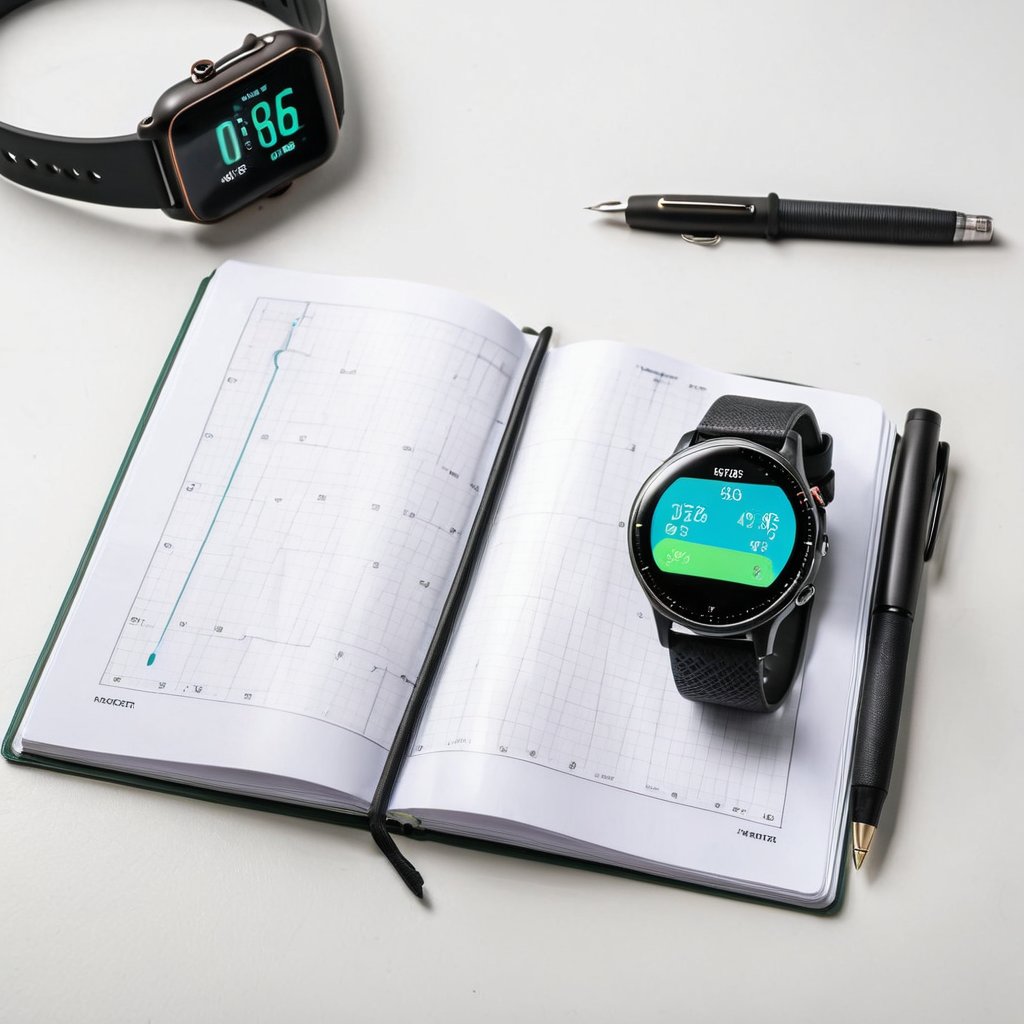
To achieve effective progress in your fitness and lifestyle journey, it’s essential to consistently perform progress analysis on the data you’ve been tracking. Whether it’s workout performance, nutritional habits, sleep patterns, or overall well-being metrics, taking time to evaluate this information allows you to make informed decisions about your next steps.
Start by reviewing key trends over a set period—such as weekly or monthly summaries—to identify what’s working well and where potential plateaus or regressions may be occurring. Look for patterns in your progress such as improvements in strength, endurance, or body composition, as well as fluctuations in energy levels and mood. These insights shed light on how your current fitness adjustments and lifestyle changes are impacting your goals.
Use tools like charts or apps to visualize your progress more clearly. Visualization makes it easier to compare your current results against your initial baseline and goals, helping highlight specific areas for improvement. For example, if you notice your energy dips mid-afternoon, it might signal a need for nutritional tweaks or better sleep hygiene.
Once you have analyzed your data, make fitness adjustments or lifestyle changes based on evidence rather than guesswork. If your progress stalls, consider modifying workout intensity, frequency, or variety to challenge your body in new ways. If lifestyle factors such as stress or sleep quality are hindering your gains, prioritize techniques to manage these areas, such as meditation or establishing a regular sleep routine.
Remember, progress analysis is not a one-time event but an ongoing process. Schedule regular checkpoints to reassess and refine your plans, ensuring they remain aligned with your evolving goals and circumstances. Staying flexible and responsive to your tracked data empowers you to optimize your fitness adjustments and lifestyle changes effectively for better health and sustained motivation.
Interpreting Data and Tracking Trends
Effectively interpreting data is crucial for tracking progress and making informed decisions about your fitness and lifestyle journey. By analyzing your tracking data, you can identify progress trends that highlight improvements, plateaus, or areas needing adjustment. Start by regularly reviewing your logged information such as workout intensity, duration, dietary habits, sleep quality, and other relevant metrics. Look for consistent patterns over weeks or months rather than day-to-day fluctuations.
Data interpretation helps reveal whether your efforts are yielding results or if modifications are necessary. For example, if you notice gradual increases in strength or endurance metrics, it indicates positive progress. Conversely, stagnant or declining numbers may signal that it’s time to reassess your exercise routine or lifestyle habits. Tracking trends also enables you to spot correlations—increasing sleep duration might coincide with improved workout performance, or stress levels might affect recovery times.
Fitness analysis through data interpretation promotes a proactive approach to health and wellness. Instead of relying on subjective feelings, measurable data provides concrete evidence to understand your body’s responses and adapt strategies accordingly. Setting benchmarks and goals based on past data ensures continuous motivation and meaningful progress. Ultimately, mastering data interpretation allows for personalized adjustments, helping you optimize your fitness journey and maintain a balanced lifestyle.
Making Effective Changes to Your Routine
Adaptation is key when it comes to routine changes that enhance your fitness journey and overall lifestyle improvement. Start by regularly analyzing your progress through fitness tracking tools, journals, or apps. When you identify plateaus or lack of advancement, it’s a clear sign that fitness adjustments are needed.
Focus on incremental changes rather than drastic overhauls. For example, increase workout intensity gradually or adjust the frequency of your exercise sessions. Consider mixing different types of workouts to keep your routine engaging and to target various muscle groups, which promotes balanced fitness development.
Evaluate how your routine aligns with your lifestyle and make adjustments that support long-term sustainability. This might include tweaking meal plans, sleep schedules, or stress management techniques. Remember that lifestyle improvement also involves mental well-being, so incorporate mindfulness or relaxation practices when necessary.
Track your body’s responses and energy levels after implementing changes. If certain fitness adjustments feel counterproductive or cause excessive fatigue, reassess and refine them. Consistency paired with mindful modifications will maximize your results and help you build a resilient, effective routine that evolves with your goals.

I’m a longtime fitness enthusiast who loves exploring practical habits that boost daily energy and confidence. Sharing simple, science‑backed routines that help men feel their best is what keeps me motivated every day.